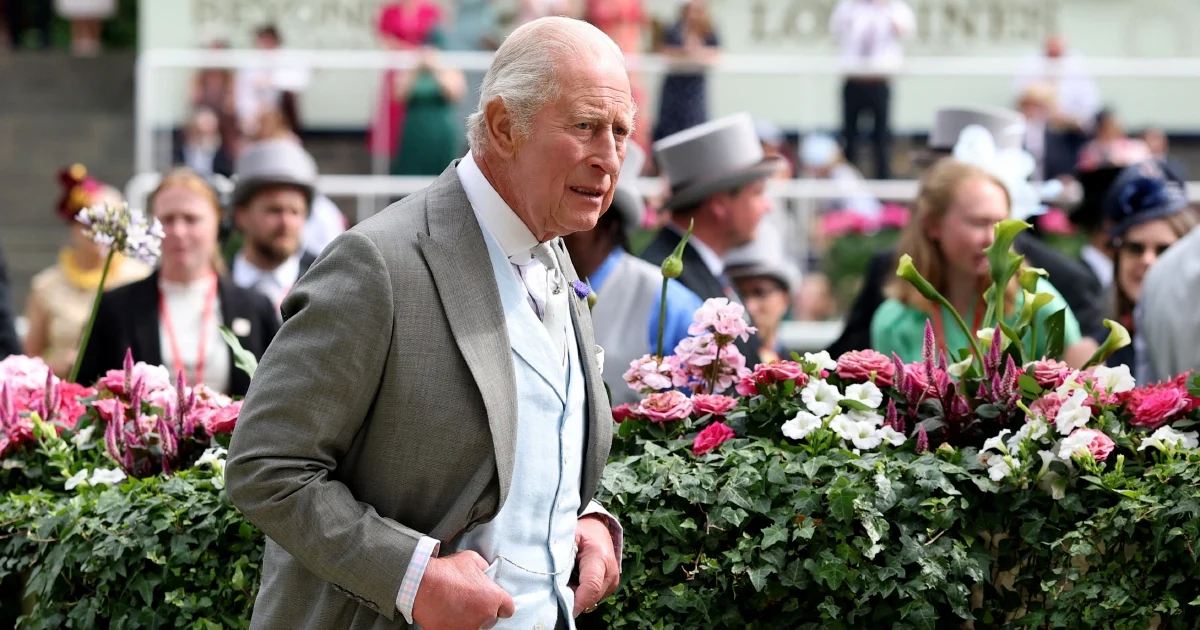
King Charles III has committed to releasing details of his personal tax obligations, marking a significant step toward openness regarding royal financial affairs. The decision, confirmed by Buckingham Palace over the weekend to British media outlets, reflects a broader institutional response to heightened public and parliamentary interest in how members of the monarchy manage their considerable wealth and meet their fiscal responsibilities.
The British royal family's finances have long operated within a complex framework of constitutional exemptions and traditional customs that distinguish monarchical wealth from ordinary taxpayer arrangements. Unlike most citizens, the sovereign benefits from certain legal privileges that have historically shielded specific royal income streams from standard scrutiny. By voluntarily committing to tax disclosure, King Charles signals a willingness to operate with greater alignment to contemporary expectations of financial accountability that now dominate public discourse across democracies.
This move carries particular significance for Malaysia and other Commonwealth nations. As head of state for several Commonwealth realms, the British monarch's commitment to financial transparency potentially influences expectations for how constitutional monarchies across the Commonwealth operate. Malaysia's own royal institutions, including the Yang di-Pertuan Agong and state sultans, operate within distinct constitutional and cultural contexts, yet international standards of institutional accountability increasingly filter through Commonwealth networks. The British precedent may prompt conversations about transparency frameworks applicable to hereditary institutions regionally.
Public scrutiny of royal finances has intensified in recent years, driven partly by broader global movements demanding greater accountability from institutions traditionally insulated from such examination. Media investigations and freedom of information requests have exposed various details about royal property holdings, income streams, and expenditures. Citizens increasingly expect that even constitutional figures, despite their unique constitutional status, should demonstrate responsible stewardship of both public resources and private wealth.
The announcement reflects an understanding within the Palace that proactive disclosure serves monarchical interests better than reluctant revelations forced through investigative journalism or parliamentary pressure. By controlling the narrative and choosing the timing of disclosure, the royal household shapes how financial information reaches public consciousness. This strategic approach to transparency—voluntary but carefully managed—represents a middle path between complete financial privacy and unrestricted public access to all royal fiscal details.
King Charles's decision also aligns with his long-standing personal interest in sustainability, institutional reform, and addressing public concerns about environmental and social responsibility. Throughout decades of public life before his accession, Charles demonstrated comfort with discussing previously private royal matters when he believed doing so served broader institutional purposes. His commitment to transparency on tax matters extends this pattern into his reign and suggests a reign characterized by selective but meaningful engagement with contemporary governance expectations.
The timing proves crucial as the new monarch navigates his early years on the throne. Establishing credibility and public confidence remains paramount during any monarch's initial period of reign. Demonstrating financial integrity and transparency helps consolidate that credibility, particularly among younger demographics and in an era when traditional deference to monarchy has diminished substantially. By addressing financial accountability questions directly, Charles attempts to establish his reign as one responsive to modern democratic sensibilities while preserving essential constitutional prerogatives.
Underlying this disclosure commitment lies a fundamental tension within modern constitutional monarchy. The institution requires sufficient financial independence to maintain dignity and function effectively, yet contemporary democracy demands that even privileged institutions justify their resource access. This tax disclosure represents an attempt to navigate that tension, offering sufficient transparency to satisfy public curiosity while not surrendering the financial autonomy that hereditary institutions consider essential to their independence.
For Commonwealth nations including Malaysia, Britain's approach to royal financial transparency offers a useful precedent for considering how traditional institutions can adapt to modern expectations. The question of how much financial information institutional heads should disclose remains contested across different political cultures and constitutional systems. Britain's willingness to move toward greater transparency, driven partly by public demand and partly by royal initiative, demonstrates that even ancient institutions can evolve their relationship with public accountability.
The concrete details of what King Charles will reveal remain unclear—whether disclosure extends to the full scope of royal income, property valuations, charitable giving, and private expenditures, or encompasses only specific tax payments. The distinction matters considerably, as various categories of royal finance operate under different legal and constitutional frameworks. Nevertheless, the principle of voluntary disclosure establishes an important precedent for institutional transparency within the Commonwealth realm.
As regional monarchies throughout Southeast Asia continue navigating questions of institutional modernization and public accountability, the British example proves instructive. Citizens increasingly expect constitutional figures to operate within acceptable standards of financial transparency, yet institutions must balance accountability with functional independence. King Charles's commitment to revealing his tax bill suggests that these objectives need not conflict entirely—that monarchy can adapt to modern expectations without surrendering essential constitutional roles.


%22%2F%3E%3C%2Fpattern%3E%3C%2Fdefs%3E%3Crect%20width%3D%22100%25%22%20height%3D%22100%25%22%20fill%3D%22url(%23phzcwqg)%22%2F%3E%3Crect%20width%3D%22100%25%22%20height%3D%22100%25%22%20fill%3D%22url(%23phzcwqp)%22%2F%3E%3Ctext%20x%3D%2250%25%22%20y%3D%2250%25%22%20text-anchor%3D%22middle%22%20dominant-baseline%3D%22central%22%20fill%3D%22rgba(255%2C255%2C255%2C0.95)%22%20font-family%3D%22Georgia%2C%20'Times%20New%20Roman'%2C%20serif%22%20font-weight%3D%22700%22%20font-size%3D%22136%22%20letter-spacing%3D%22-0.02em%22%3EParliament%3C%2Ftext%3E%3C%2Fsvg%3E)