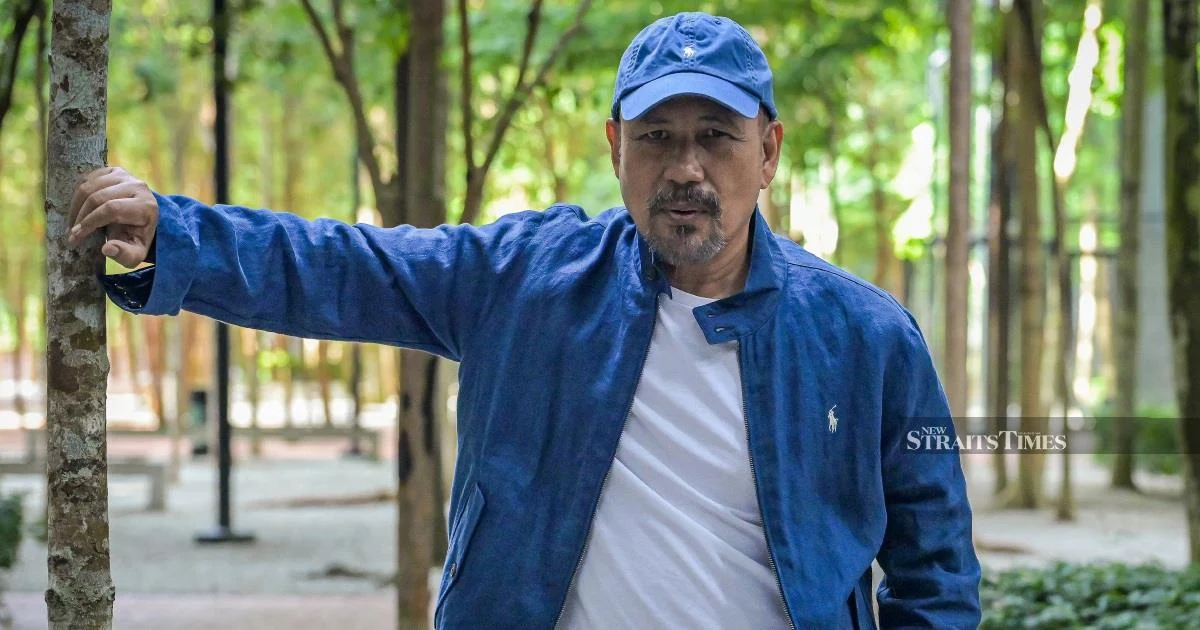
Legendary Malaysian musician Datuk M. Nasir has initiated legal proceedings against MyTeksi Sdn Bhd, the operating entity for Grab Malaysia, seeking RM5 million in damages over claims that the ride-hailing company used his name without permission to market a beverage product. The artist, revered across Southeast Asia for his contributions to Malaysian popular music over several decades, has maintained a cautious public stance on the matter while emphasising that the action reflects his commitment to protecting his personal and commercial interests.
The dispute centres on the alleged unauthorised commercial exploitation of M. Nasir's identity by the platform, a practice that touches on fundamental questions about celebrity rights and intellectual property in Malaysia's digital economy. M. Nasir's decision to pursue the matter through the courts underscores growing tension between commercial enterprises and public figures regarding the boundaries of brand association and personal reputation management. This case arrives at a moment when Malaysian celebrities increasingly find themselves navigating complex issues surrounding their names, images, and commercial value in an era of rapid digital expansion and cross-industry partnerships.
M. Nasir's reluctance to elaborate extensively on the lawsuit reflects a strategic legal approach common among plaintiffs in high-profile disputes, where public statements might complicate ongoing proceedings. However, the artist has made clear that his fundamental position centres on what he characterises as his moral entitlement to control how his identity is presented and commercialised. This framing suggests the dispute transcends purely financial considerations, touching instead on matters of artistic dignity and personal autonomy that resonate deeply within Malaysia's entertainment community.
The involvement of MyTeksi Sdn Bhd, which operates Grab's services across Malaysia, highlights how contemporary platforms frequently extend beyond their core business models into adjacent commercial territories. The beverage sector represents a significant departure from ride-hailing services, yet many tech companies have pursued aggressive diversification strategies to capture consumer spending across multiple categories. Such expansion sometimes occurs with insufficient attention to intellectual property protocols, particularly regarding celebrity endorsements and brand associations that require explicit contractual arrangements.
From a legal standpoint, M. Nasir's claim raises substantive questions about personality rights under Malaysian law and the extent to which companies may leverage public figures' names and reputations for commercial gain without formal consent. Malaysia's legal framework recognises various forms of intellectual property protection, though the specific mechanics of celebrity personality rights litigation remain relatively underdeveloped compared to jurisdictions with more established entertainment law precedents. This case may therefore establish important benchmarks for how Malaysian courts approach such disputes in future.
The RM5 million valuation attached to the claim suggests substantial perceived damage to M. Nasir's commercial interests and personal standing. This figure likely encompasses both lost opportunity costs—earnings he might have received had he endorsed the product directly—and compensatory damages for reputational harm or unwanted association with the beverage brand. The magnitude of the claim reflects how seriously the musician and his legal advisors view the violation of his rights, positioning this not as a minor contractual disagreement but as a significant breach warranting substantial remediation.
For the broader Malaysian entertainment industry, this litigation carries instructive implications regarding how companies should navigate relationships with celebrity personalities. Industry practitioners, marketing agencies, and corporate legal teams now face renewed emphasis on obtaining explicit permissions before associating public figures with commercial products, even within integrated platform ecosystems. The case serves as a cautionary reminder that assuming implied consent or relying on vague contractual language surrounding brand usage carries substantial legal and financial risk.
The timing of the lawsuit also reflects evolving consumer consciousness about celebrity authenticity and genuine endorsement relationships. Malaysian audiences increasingly scrutinise whether celebrity associations with products represent authentic partnerships or unauthorised commercial exploitation. M. Nasir's legal action may resonate with this growing sentiment, positioning him as an artist asserting control over his professional integrity rather than permitting his reputation to be deployed for commercial purposes without compensation or consultation.
MyTeksi's response to these allegations remains a crucial dimension of the unfolding dispute, though the company has maintained limited public commentary thus far. The ride-hailing and delivery services provider operates within a highly competitive landscape where brand differentiation through celebrity associations holds considerable marketing value. However, this commercial imperative must be balanced against fundamental respect for celebrities' property rights and their legitimate authority to control their commercial image and professional associations.
As this matter progresses through Malaysia's legal system, the case will likely generate significant attention within entertainment, technology, and business circles. Beyond the immediate financial and legal implications for both parties, the outcome may influence how Malaysian companies approach celebrity branding strategies and intellectual property protocols generally. M. Nasir's insistence on defending what he describes as his moral right to control his own identity represents a significant assertion of artist agency within an industry where power imbalances between corporate entities and individual creators have historically favoured the former.
The lawsuit ultimately reflects broader tensions within Malaysia's contemporary entertainment economy, where creative professionals must increasingly defend their rights against commercial entities equipped with substantial resources and sophisticated marketing capabilities. M. Nasir's willingness to pursue this matter through costly litigation demonstrates his commitment to establishing clear boundaries around his personal brand and commercial identity, a position likely to resonate with fellow artists navigating similar challenges across the region.
%22%2F%3E%3C%2Fpattern%3E%3C%2Fdefs%3E%3Crect%20width%3D%22100%25%22%20height%3D%22100%25%22%20fill%3D%22url(%23ph3sm85g)%22%2F%3E%3Crect%20width%3D%22100%25%22%20height%3D%22100%25%22%20fill%3D%22url(%23ph3sm85p)%22%2F%3E%3Ctext%20x%3D%2250%25%22%20y%3D%2250%25%22%20text-anchor%3D%22middle%22%20dominant-baseline%3D%22central%22%20fill%3D%22rgba(255%2C255%2C255%2C0.95)%22%20font-family%3D%22Georgia%2C%20'Times%20New%20Roman'%2C%20serif%22%20font-weight%3D%22700%22%20font-size%3D%22226%22%20letter-spacing%3D%22-0.02em%22%3ERussia%3C%2Ftext%3E%3C%2Fsvg%3E)