Malaysia is pursuing a more substantive engagement with Timor-Leste on media matters, signalling a diplomatic and institutional push to align the two nations' information and broadcasting sectors. During discussions held in Butterworth on June 20, Communications Minister Datuk Fahmi Fadzil outlined plans to deepen ties between Malaysia's major media agencies and their Timor-Leste counterparts, underscoring an approach that goes beyond traditional bilateral courtesy to address capacity-building and professional standards.
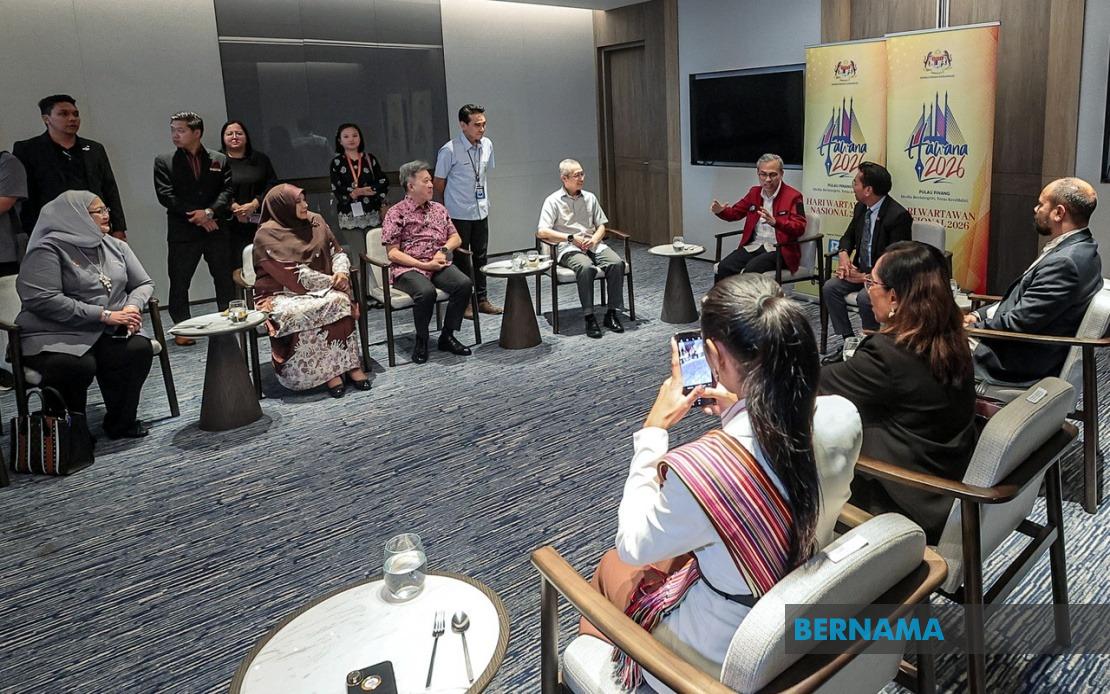
The meeting brought together Fahmi and Timor-Leste's Secretary of State for Social Communication, Expedito Loro Dias Ximenes, alongside senior figures from Timor-Leste's national news agency, Agencia Noticiosa de Timor-Leste (TATOLI), and drew participation from the Malaysian National News Agency (Bernama) and Radio Televisyen Malaysia (RTM). This level of institutional representation reflects the seriousness with which Malaysia intends to pursue the partnership, moving beyond ad hoc coordination to establish formal frameworks for ongoing collaboration.
A centrepiece of Malaysia's proposal involves the Tun Abdul Razak Broadcasting and Information Institute (IPPTAR) hosting dedicated training programmes for Timor-Leste journalists. Such initiatives carry particular weight in the Southeast Asian context, where capacity disparities among news organisations remain significant. By offering professional development opportunities, Malaysia positions itself as a knowledge partner and soft power influencer in the region's media landscape, while simultaneously raising standards across the sector.
The timing of this initiative coincides with Timor-Leste's remarkable ascent in international press freedom assessments. According to the Reporters Without Borders World Press Freedom Index, Timor-Leste now ranks first in Southeast Asia and 30th globally among 180 countries surveyed. This standing is particularly striking given the nation's relatively young democratic institutions and the resource constraints typical of emerging economies in the region. The achievement suggests that Timor-Leste has successfully cultivated an environment where journalistic independence and editorial autonomy are protected and valued, a distinction Fahmi explicitly acknowledged during the discussions.
Malaysia's position in the same index, however, occupies second place within Southeast Asia—a reality that prompted frank acknowledgment from the Communications Ministry. This ranking disparity, while still respectable in global terms, underscores the challenges Malaysia faces in sustaining media freedom metrics despite being a more developed economy. Fahmi indicated that the MADANI Government views press freedom improvements as an ongoing policy objective, noting that Malaysia's trajectory has improved substantially over the preceding three to four years relative to earlier administrations. Yet the existence of a neighbour outranking Malaysia on press freedom serves as both benchmark and subtle pressure for continued reform.
The Communications Ministry secretary-general Datuk Abdul Halim Hamzah, deputy secretary-general Datuk Bahria Mohd Tamil, and senior figures from Bernama and RTM's broadcasting directorate all attended the meeting, signalling whole-of-government coordination on this initiative. Such participation indicates that media cooperation is being framed as a strategic priority rather than a routine administrative matter. The involvement of Bernama chairman Datuk Seri Wong Chun Wai and chief executive officer Datin Paduka Nur-ul Afida Kamaludin demonstrates that Malaysia's flagship news agency is being leveraged as a primary institutional vehicle for deepening regional media partnerships.
These discussions unfolded during the sixth edition of HAWANA 2026, held at the PICCA Convention Centre @ Butterworth Arena, an event designed explicitly to convene media practitioners from across Southeast Asia and beyond. The conference theme, "Media Integrity Strengthens Credibility," reflects shared regional concerns about journalistic standards, misinformation, and the role of professional media organisations in maintaining democratic institutions. The participation of a high-level Timor-Leste delegation underscores that smaller nations in the region are increasingly asserting their voice in regional media governance conversations.
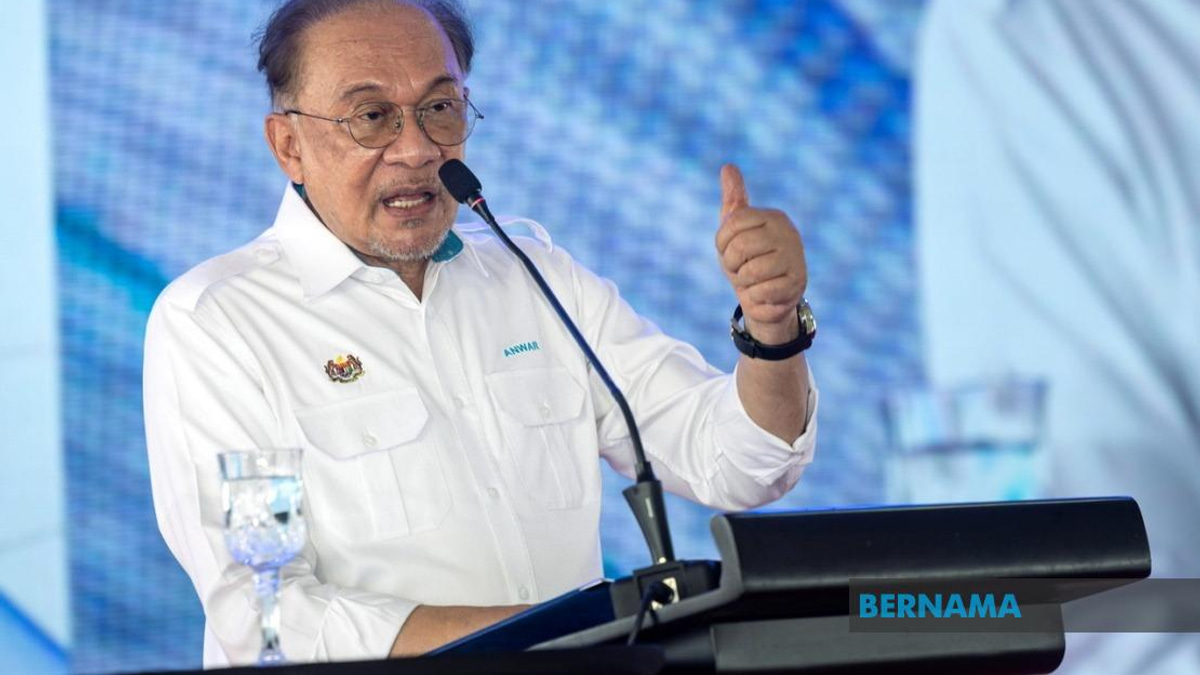
Prime Minister Datuk Seri Anwar Ibrahim's scheduled officiation of HAWANA at 3 pm on June 20 elevated the profile of these media discussions within Malaysia's broader diplomatic and governance agenda. The presence of the Prime Minister signals that media cooperation initiatives are not isolated to communications ministry purview but form part of a cohesive foreign and domestic policy framework. This alignment suggests that Malaysia views media engagement as integral to strengthening regional relationships and advancing shared standards of journalistic practice.
The proposal for Bernama and RTM to collaborate more closely with TATOLI and Timor-Leste's broadcasting authorities creates practical mechanisms for ongoing exchange. Such institutional partnerships often result in shared resources, collaborative investigations, capacity transfers, and mutual professional development that transcend formal government-to-government relations. In a region where media freedoms face periodic challenges and resource constraints limit institutional capacity, concrete inter-agency partnerships can serve as stabilising forces for editorial independence.
However, Malaysia's recognition of Timor-Leste's superior press freedom ranking introduces a complex dynamic to the partnership. While framed diplomatically as an opportunity for mutual learning, the implicit acknowledgment that a smaller, less economically developed nation has achieved better outcomes in protecting journalistic freedom raises questions about Malaysia's own institutional barriers. Fahmi's mention of government efforts to improve Malaysia's index standing suggests awareness that press freedom improvements require more than rhetoric—they necessitate substantive policy changes and genuine institutional autonomy for media organisations.
For Malaysian readers and regional observers, this initiative illustrates how smaller bilateral partnerships can address governance challenges that individual nations struggle to resolve independently. By engaging with Timor-Leste on media matters, Malaysia gains access to insights about how democratic societies can sustain press freedom while managing development imperatives. Conversely, Malaysia offers Timor-Leste the resources and institutional experience of a more established media ecosystem, creating potential for reciprocal benefit.
The broader significance extends to Southeast Asia's evolving media ecosystem. As the region grapples with misinformation, foreign interference, and digital transformation, the willingness of governments to engage in structured media cooperation—rather than defensive posturing or regulatory control—sets important precedents. Malaysia's approach to Timor-Leste suggests a government willing to learn from smaller neighbours and to invest in regional media capacity as a common good rather than a competitive advantage, a refreshing stance in a region where media diplomacy has historically been contentious.

%22%2F%3E%3C%2Fpattern%3E%3C%2Fdefs%3E%3Crect%20width%3D%22100%25%22%20height%3D%22100%25%22%20fill%3D%22url(%23ph49t16g)%22%2F%3E%3Crect%20width%3D%22100%25%22%20height%3D%22100%25%22%20fill%3D%22url(%23ph49t16p)%22%2F%3E%3Ctext%20x%3D%2250%25%22%20y%3D%2250%25%22%20text-anchor%3D%22middle%22%20dominant-baseline%3D%22central%22%20fill%3D%22rgba(255%2C255%2C255%2C0.95)%22%20font-family%3D%22Georgia%2C%20'Times%20New%20Roman'%2C%20serif%22%20font-weight%3D%22700%22%20font-size%3D%22272%22%20letter-spacing%3D%22-0.02em%22%3EAnwar%3C%2Ftext%3E%3C%2Fsvg%3E)