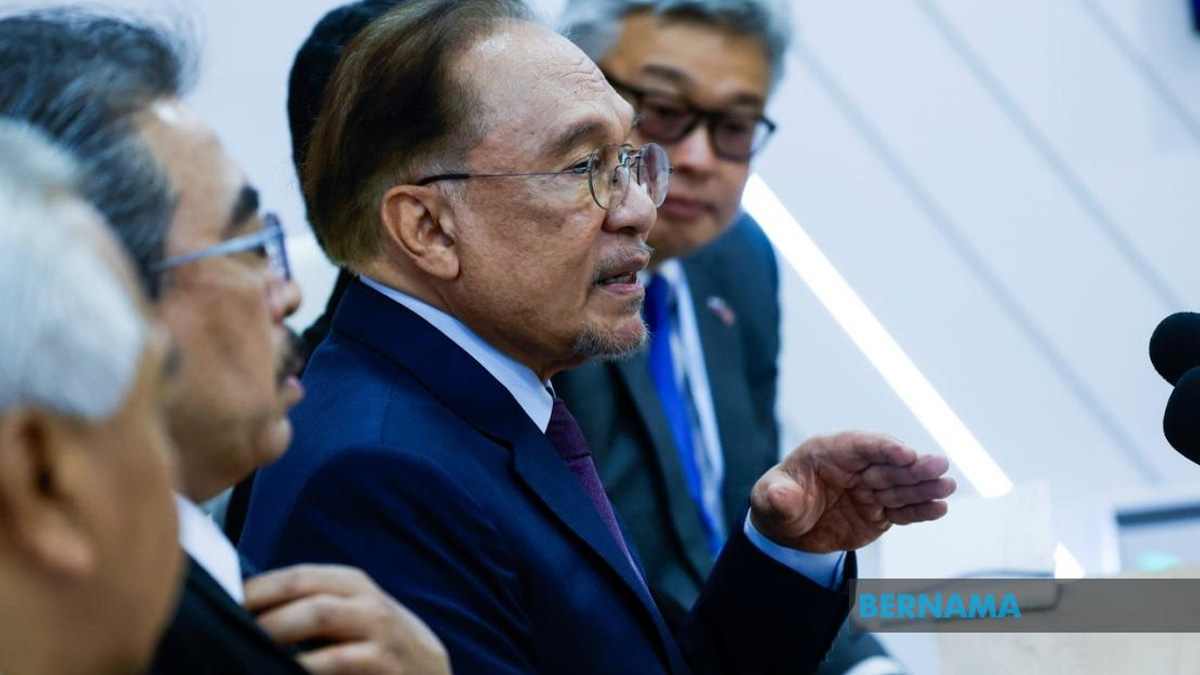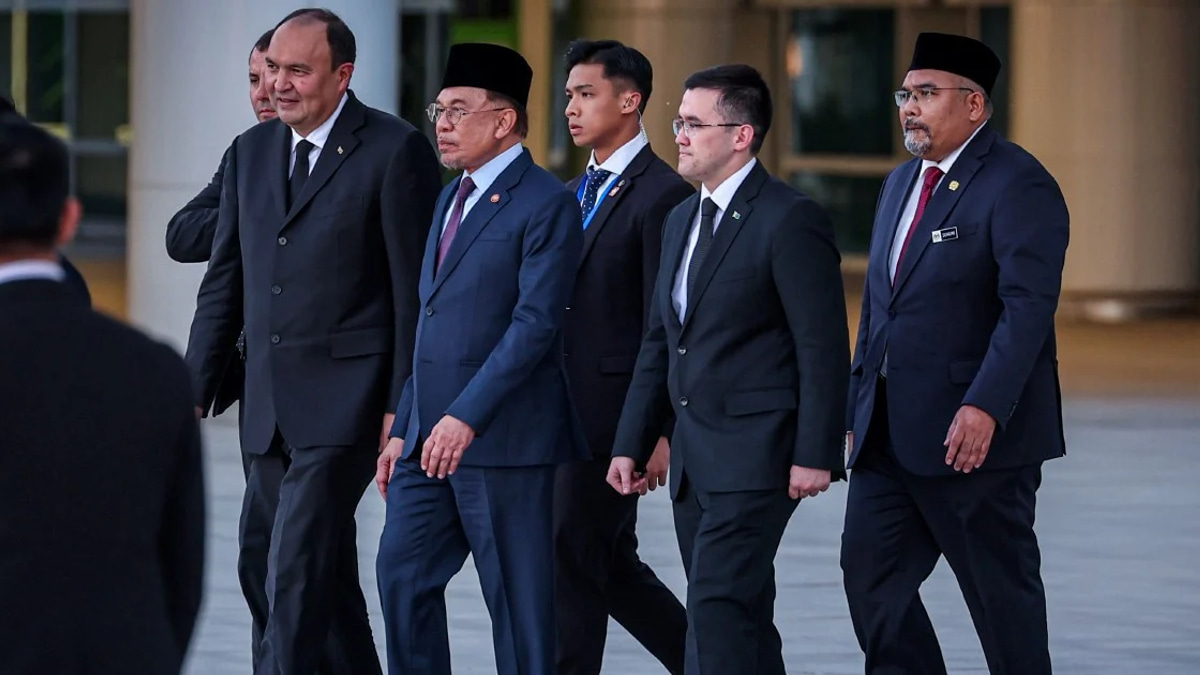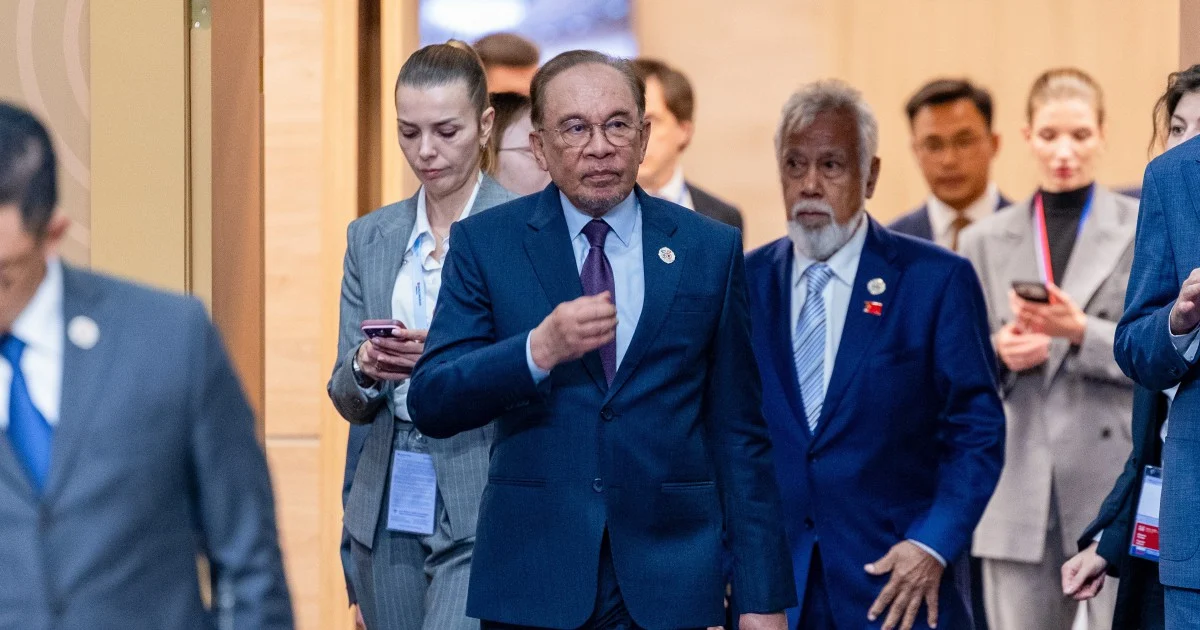
Prime Minister Anwar Ibrahim has called for Malaysia to adopt a more assertive and bold approach in cultivating stronger economic partnerships with Russia and the wider Central Asian region, marking a significant emphasis on expanding the nation's commercial horizons beyond traditional trading blocs.
Spoken from Kazan, Anwar's remarks underscore a strategic pivot that reflects Malaysia's determination to diversify its economic portfolio and reduce dependency on established Western markets. The appeal comes at a time when global geopolitical realignments are reshaping international trade dynamics, with nations increasingly seeking alternatives to conventional economic partnerships. For Malaysia, a nation historically reliant on its traditional trading partners in Europe, North America, and East Asia, this represents a deliberate recalibration of foreign economic policy.
The Prime Minister's emphasis on Central Asian markets carries particular weight given the region's vast untapped potential. Central Asia encompasses several resource-rich countries with growing consumer bases and significant infrastructure development needs. Kazakhstan, Uzbekistan, Turkmenistan, Tajikistan, and Kyrgyzstan collectively represent a market of over 70 million people with improving purchasing power and increasing demand for quality goods and services. Malaysian businesses, particularly in manufacturing, finance, technology, and education, could find substantial opportunities in these markets if they commit adequate resources and strategic planning.
Russia itself, despite facing international sanctions and economic pressures, remains a significant economic entity with substantial natural resources, technological capabilities, and a large domestic market. The country's pivot towards Asia-Pacific markets in recent years has created openings for Malaysian enterprises willing to engage constructively. The bilateral relationship between Malaysia and Russia, while historically stable, has largely remained at a modest level compared to Malaysia's engagement with Western economies. Anwar's call reflects recognition that this relationship warrants considerably greater attention and investment.
For Malaysian exporters and investors, the Central Asian corridor presents specific advantages. The region sits at the intersection of major Belt and Road Initiative projects, connecting China, South Asia, and Europe. Malaysian companies with expertise in petrochemicals, palm oil, financial services, and technology could position themselves as valuable partners in this strategic geography. However, success requires more than rhetorical commitment. It demands dedicated trade missions, investment in understanding local regulations and business cultures, and potentially establishing regional hubs for distribution and operations.
The call for aggression in economic outreach also reflects Malaysia's broader strategic interests. As the nation seeks to strengthen its position as a crucial Southeast Asian player capable of engaging with diverse partners, demonstrating active commercial ties with non-Western economies enhances its diplomatic leverage. This approach aligns with Malaysia's historical foreign policy orientation of maintaining equidistant relationships and avoiding excessive reliance on any single partner or bloc.
Governmental support structures will prove essential in facilitating this economic expansion. Malaysian trade missions, export credit facilities, and investment promotion agencies must be adequately resourced and directed towards Russian and Central Asian markets. Business chambers and industry associations also bear responsibility for educating their members about opportunities, regulatory requirements, and practical strategies for market entry. Without coordinated institutional effort, Anwar's call risks remaining merely aspirational.
The timing of this pronouncement carries additional significance given ongoing sanctions regimes affecting Russia and emerging supply chain diversifications following pandemic disruptions. Countries seeking alternative suppliers and markets have become increasingly receptive to new partnerships. Malaysia, with its manufacturing prowess, financial expertise, and regional standing, is well-positioned to capitalise on this openness. However, doing so demands proactive engagement rather than waiting for business opportunities to materialise.
Sector-specific opportunities merit particular attention. Malaysian palm oil producers could explore expanded markets in Russia and Central Asia, where consumption patterns differ from traditional European buyers. Technology companies might partner with Russian counterparts in areas like software development and artificial intelligence. Financial services providers could facilitate trade financing and investment flows. Higher education institutions could develop partnerships offering degrees and professional credentials to students from these regions, creating cultural bridges alongside economic ones.
Regional implications extend beyond bilateral Malaysia-Russia relations. A successful Malaysian economic foothold in Central Asia could strengthen ASEAN's broader engagement with this region, particularly given other Southeast Asian nations face similar constraints in accessing these markets. Collective ASEAN initiatives, potentially including trade delegations or investment forums encompassing Malaysian, Thai, and Vietnamese participants, could amplify individual national efforts while distributing risks and costs.
Challenges undoubtedly exist. Geographic distance, limited historical trade relationships, relatively unfamiliar business environments, and language barriers all complicate market entry. Regulatory differences, currency considerations, and infrastructure limitations require careful navigation. Nevertheless, these obstacles are manageable rather than insurmountable, particularly for a nation with Malaysia's capabilities and experience in international commerce.
Anwar's articulation of this strategic priority carries weight precisely because it emanates from the highest political level. When prime ministers signal direction, governmental ministries, statutory bodies, and the private sector typically respond accordingly. The challenge now lies in translating political will into concrete policy measures, institutional reforms, and resource allocations that enable Malaysian enterprises to pursue these opportunities effectively and sustainably.