The Malaysian United Democratic Alliance has selected Rashifa Aljunied to carry its colours in the Puteri Wangsa state constituency for the forthcoming Johor state election, marking a significant succession within the party's leadership structure in the southern state. MUDA president Amira Aisya Abdul Aziz, who currently holds the seat, made the announcement at a press conference in Johor Bahru on June 20, formally introducing the 26-year-old candidate who has been serving as head of the Puteri Wangsa service centre.
The decision to elevate Aljunied reflects deliberative internal party processes, according to Amira Aisya, who emphasised that the choice emerged from comprehensive consultations across MUDA's senior hierarchy and organisational machinery. The relatively youthful profile of the incoming candidate aligns with MUDA's broader positioning as a youth-oriented political entity, though it also underscores questions about candidate experience and readiness at the state assembly level, where legislative responsibilities and constituency service demands remain substantial.
Amira Aisya's withdrawal from defending her seat stems from her decision to pursue a parliamentary position in the approaching 16th General Election, effectively pivoting her political trajectory toward federal politics. This strategic repositioning illustrates the complex calculations facing elected representatives attempting to consolidate and expand their political bases across multiple electoral levels. Her move leaves the Puteri Wangsa state seat for the next generation of MUDA leadership, creating both opportunity for succession planning and potential vulnerability if the transition is mishandled.
The Puteri Wangsa constituency carries distinctive significance within MUDA's electoral geography and strategic importance. During the 2022 Johor state election, this single seat represented MUDA's sole victory in the state, making it both a symbolic stronghold and a potential liability if lost in the forthcoming contest. Amira Aisya's original victory came with a comfortable majority of 7,114 votes despite a highly competitive six-cornered contest, demonstrating that the seat has established appeal for MUDA supporters in an environment where the party faces significant opposition from larger established coalitions.
The margin of victory in 2022 provides baseline guidance for assessing Aljunied's prospects, though demographic shifts, voter consolidation patterns, and changes in opposition strategy could substantially alter the competitive dynamics. The relatively modest scale of the majority—while respectable—suggests that the constituency remains contested territory rather than a guaranteed MUDA redoubt, creating pressure for effective campaigning and constituency engagement throughout the campaign period. Such margins typically indicate that even marginal swings in voter behaviour or turnout could meaningfully impact outcomes.
MUDA intends to unveil additional candidate selections during a subsequent announcement scheduled for Kuala Lumpur on June 21, suggesting a phased rollout of its electoral roster across Johor's contested seats. This tactical approach to candidate announcements often serves multiple strategic purposes: maintaining media momentum, building anticipatory interest among party supporters, and allowing time for internal negotiations or adjustments before the full slate receives public confirmation. The party has indicated broader ambitions across multiple constituencies beyond Puteri Wangsa, though the scale and geographic distribution of these efforts remain to be detailed.
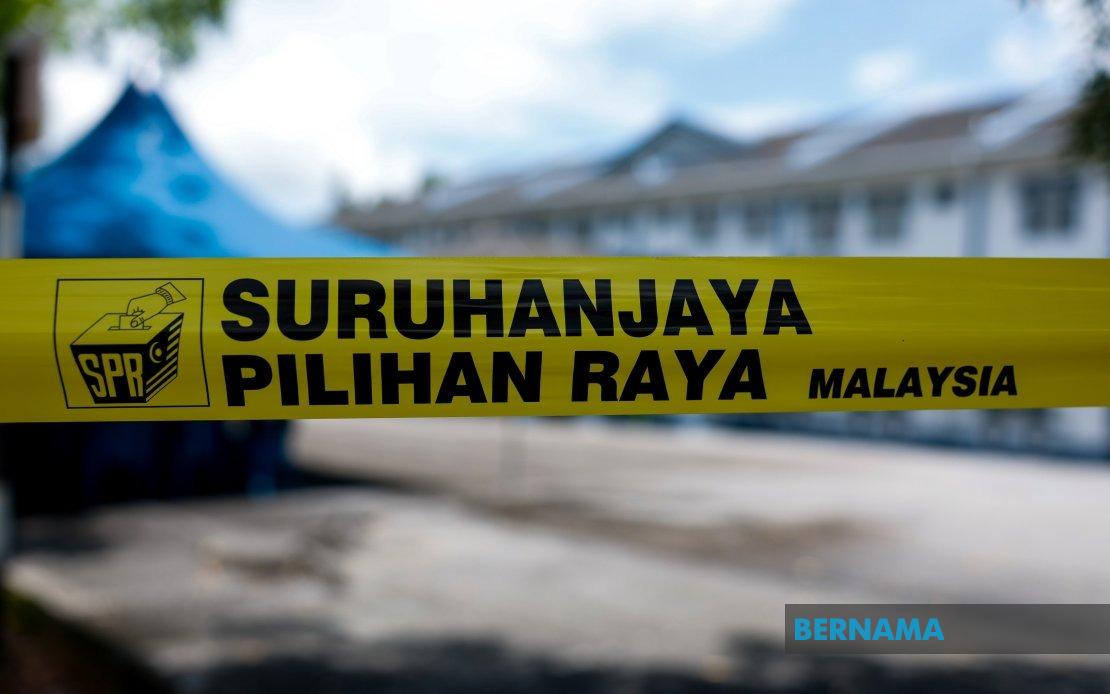
The Election Commission has established a clearly defined electoral calendar for the Johor state polls, designating July 11 as polling day with June 27 designated for nomination proceedings. Early voting opportunities become available on July 7, establishing a compressed but functional campaign window spanning roughly three weeks from nomination to election day. These administrative parameters constrain candidate preparation timelines and require rapid mobilisation of campaign infrastructure, messaging frameworks, and grassroots volunteer networks across constituencies.
For Malaysian political observers, this selection represents a significant generational moment within MUDA's state-level operations. The party has positioned itself as an alternative political force emphasising youth participation, digital-era political engagement, and policy innovation, yet must translate these branding attributes into consistent electoral performance. Aljunied's nomination tests whether MUDA can successfully transition representation within its established constituencies or whether voter loyalty remains tied to founding representatives like Amira Aisya.
Regionally, MUDA's performance in Johor carries implications for broader coalition dynamics in Southeast Asia's most developed state economy. The party's trajectory influences calculations within the broader Malaysian opposition ecosystem and affects assessments of alternative political movements challenging traditional two-coalition frameworks. Competition within the non-Barisan Nasional space creates complex strategic relationships between MUDA, Pakatan Harapan components, and other emerging political entities.
The transition from Amira Aisya to Aljunied embodies questions about political sustainability and institutional development within newer political movements. Whether MUDA can maintain electoral competitiveness through leadership succession remains uncertain, particularly given the personal vote component that typically characterises Malaysian constituencies. Aljunied's campaign will serve as a testing ground for measuring party strength independent of founding personalities, with clear implications for MUDA's long-term viability as a significant political force beyond charismatic individual leadership.

%22%2F%3E%3C%2Fpattern%3E%3C%2Fdefs%3E%3Crect%20width%3D%22100%25%22%20height%3D%22100%25%22%20fill%3D%22url(%23ph49t16g)%22%2F%3E%3Crect%20width%3D%22100%25%22%20height%3D%22100%25%22%20fill%3D%22url(%23ph49t16p)%22%2F%3E%3Ctext%20x%3D%2250%25%22%20y%3D%2250%25%22%20text-anchor%3D%22middle%22%20dominant-baseline%3D%22central%22%20fill%3D%22rgba(255%2C255%2C255%2C0.95)%22%20font-family%3D%22Georgia%2C%20'Times%20New%20Roman'%2C%20serif%22%20font-weight%3D%22700%22%20font-size%3D%22272%22%20letter-spacing%3D%22-0.02em%22%3EAnwar%3C%2Ftext%3E%3C%2Fsvg%3E)