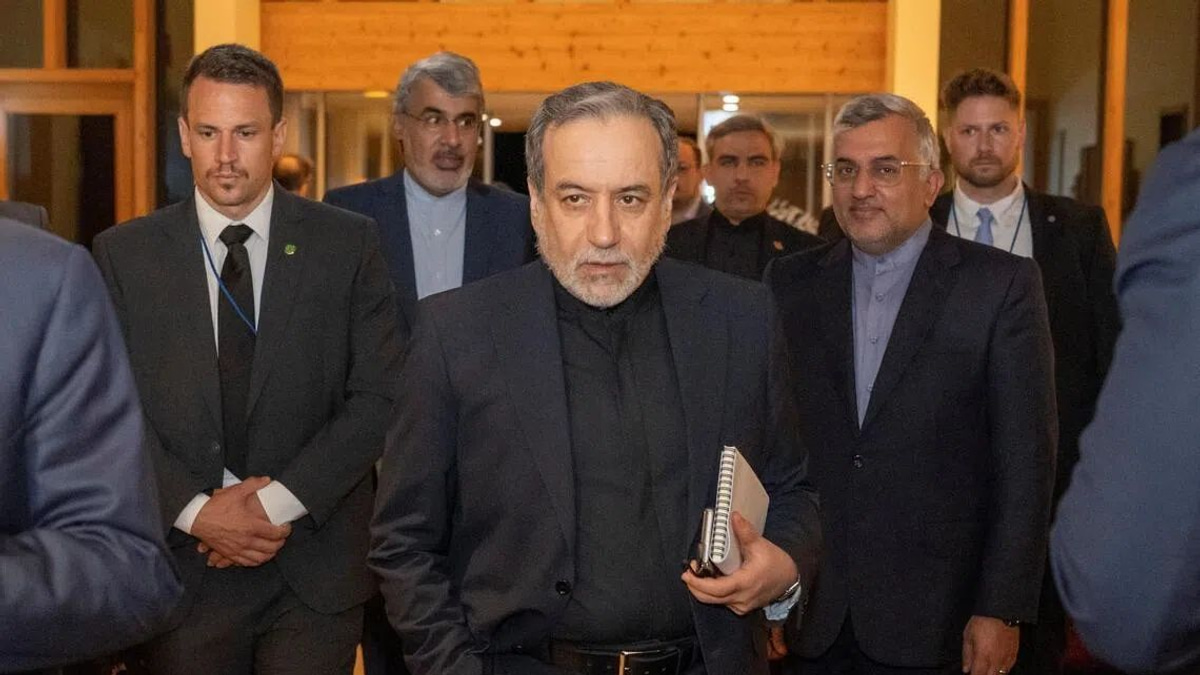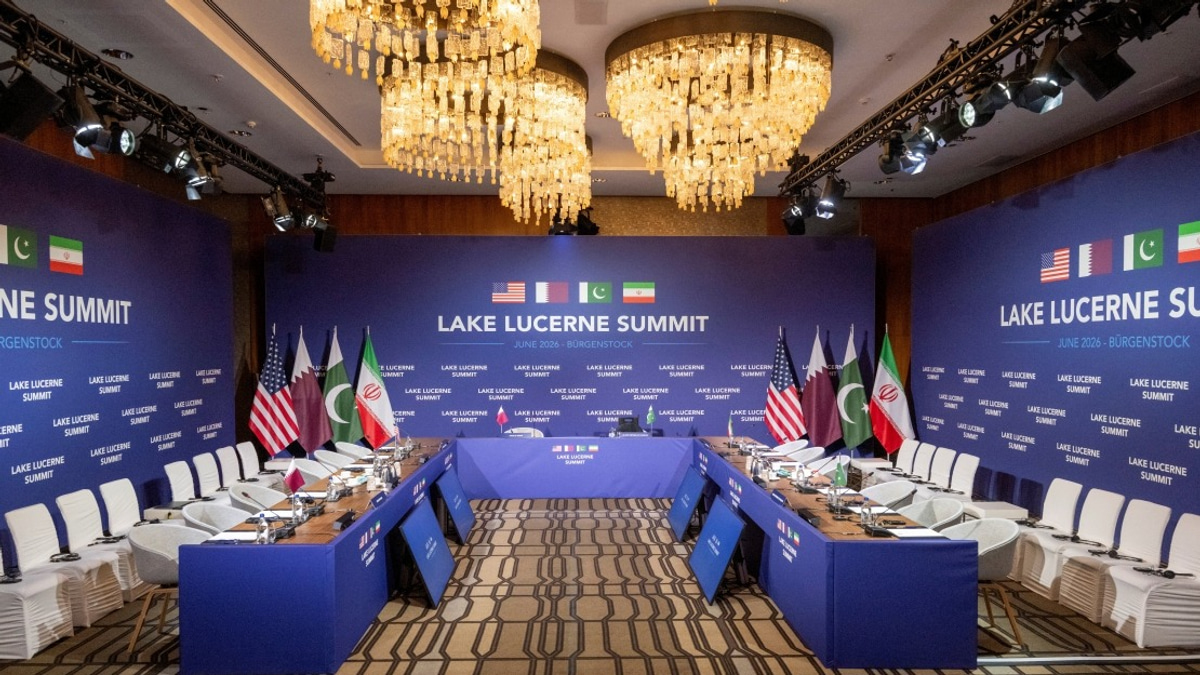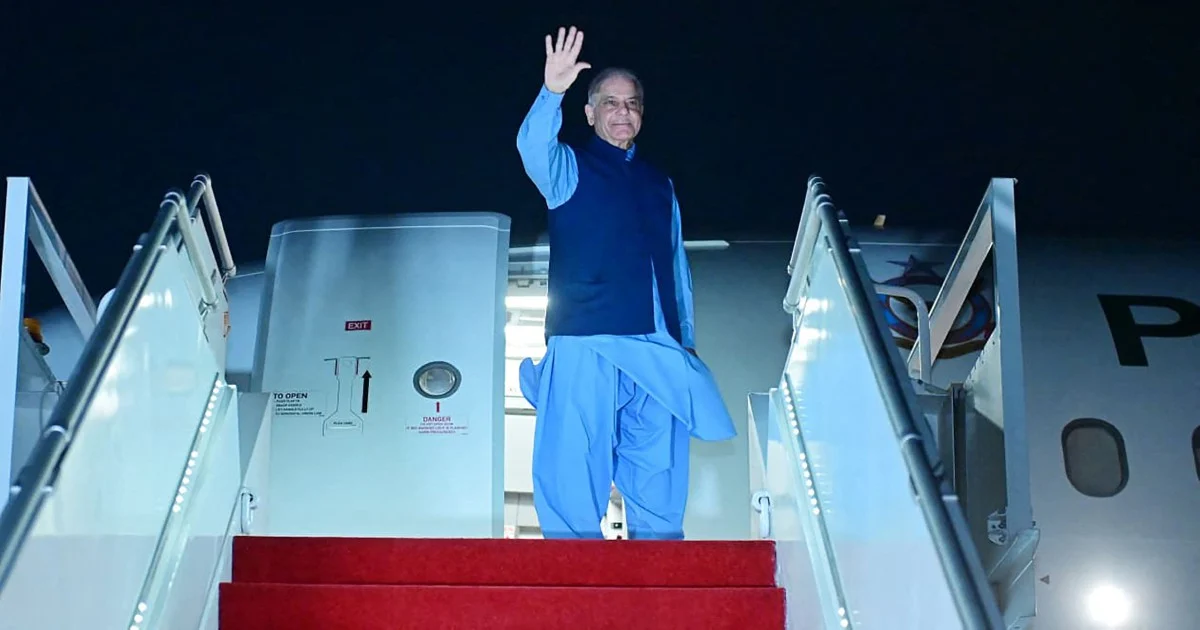
Pakistan's Prime Minister Shehbaz Sharif touched down in Switzerland on Sunday morning, marking his attendance at a fresh round of technical-level discussions designed to address the ongoing tensions between Washington and Tehran. The move underscores Islamabad's continued diplomatic engagement in efforts to broker stability across a region where Pakistan maintains substantial strategic and economic interests.
The talks represent another attempt by international parties to find negotiated solutions to the complex US-Iran relationship, which has repeatedly threatened to destabilize the broader Middle Eastern landscape. Pakistan's participation in such diplomatic initiatives reflects its historic role as a bridge between various regional and international actors, a position that has become increasingly critical as geopolitical tensions reshape global alignments.
Islamabad has long sought to balance its relationships with both the United States and Iran, two regional powers whose interests frequently diverge. Pakistan's presence at these technical discussions signals its commitment to preventing further escalation that could reverberate across the Islamic world and disrupt the delicate equilibrium that the Pakistani government has worked to maintain. For a nation already grappling with internal security challenges and economic pressures, regional conflict expansion poses existential concerns.
The timing of Sharif's engagement in these talks carries particular significance given Pakistan's own vulnerabilities to Middle Eastern instability. The country hosts millions of Afghan refugees and maintains deep cultural and religious ties to Iran and the Arab world. Any intensification of US-Iran hostilities risks triggering refugee flows, sectarian tensions within Pakistan itself, and disruptions to trade corridors that are vital to the nation's economic recovery efforts.
Technical-level negotiations differ fundamentally from high-level political discussions, typically focusing on specific, implementable measures rather than broader policy frameworks. Such discussions often address verification mechanisms, confidence-building measures, and procedural details that can create foundations for more substantive agreements. Pakistan's participation suggests Islamabad may be offering expertise, mediation capacity, or simply demonstrating solidarity with international efforts toward resolution.
From a Southeast Asian perspective, Pakistan's diplomatic activism in these Middle East negotiations carries indirect implications. The broader stability of Asia depends substantially on the health of international relationships, trade flows, and security arrangements. Escalating US-Iran tensions threaten shipping lanes, investment patterns, and the rules-based order that underpins regional prosperity. Southeast Asian nations, including Malaysia, therefore have implicit interests in de-escalation efforts.
Malaysia and other ASEAN members maintain their own complex relationships with Iran and face pressure to navigate US sanctions regimes. Pakistan's efforts to facilitate dialogue align with broader international interests in preventing conflict zones from multiplying. The Middle Eastern arena remains volatile, with Yemen, Syria, and Iraq continuing as flashpoints where proxy conflicts between regional powers create humanitarian catastrophes and economic disruption.
Pakistan's diplomatic positioning also reflects its broader strategic calculations. As a nuclear power and a nation at the intersection of South Asia, Central Asia, and the Middle East, Islamabad recognizes that regional stability directly determines its own security trajectory. The country's economy remains vulnerable to external shocks, making prevention of larger conflicts an economic priority alongside security concerns.
The technical discussions in Switzerland likely examine specific proposals for managing escalation risks, reducing military incidents, and establishing communication channels that prevent miscalculation. Such mechanisms have proven valuable in other contexts, and their absence between Washington and Tehran has repeatedly brought the two powers to the brink of direct military confrontation.
Pakistan's engagement represents continuity in Sharif's government's foreign policy approach, emphasizing multilateralism and conflict prevention. This stance differentiates his administration from previous periods when Pakistan pursued more assertive regional policies. The emphasis on dialogue aligns with Islamabad's broader agenda of attracting foreign investment and improving its international standing after years of isolation and criticism.
The broader international community monitors these discussions closely, recognizing that viable de-escalation pathways remain limited. Multiple previous attempts at US-Iran negotiations have faltered, and deep structural disagreements persist. However, the willingness of multiple parties to engage in technical-level discussions suggests that alternative paths to confrontation remain worth exploring, even if prospects remain uncertain.
For Malaysian observers and policymakers, Pakistan's diplomatic presence at these talks underscores how regional security challenges in one part of Asia increasingly demand attention and engagement from actors across the continent. The interconnected nature of modern geopolitics means that Middle Eastern stability matters to Southeast Asian prosperity and security, even if the connection appears distant. Pakistan's participation demonstrates how nations committed to regional stability must sometimes invest diplomatic capital far beyond their immediate borders.