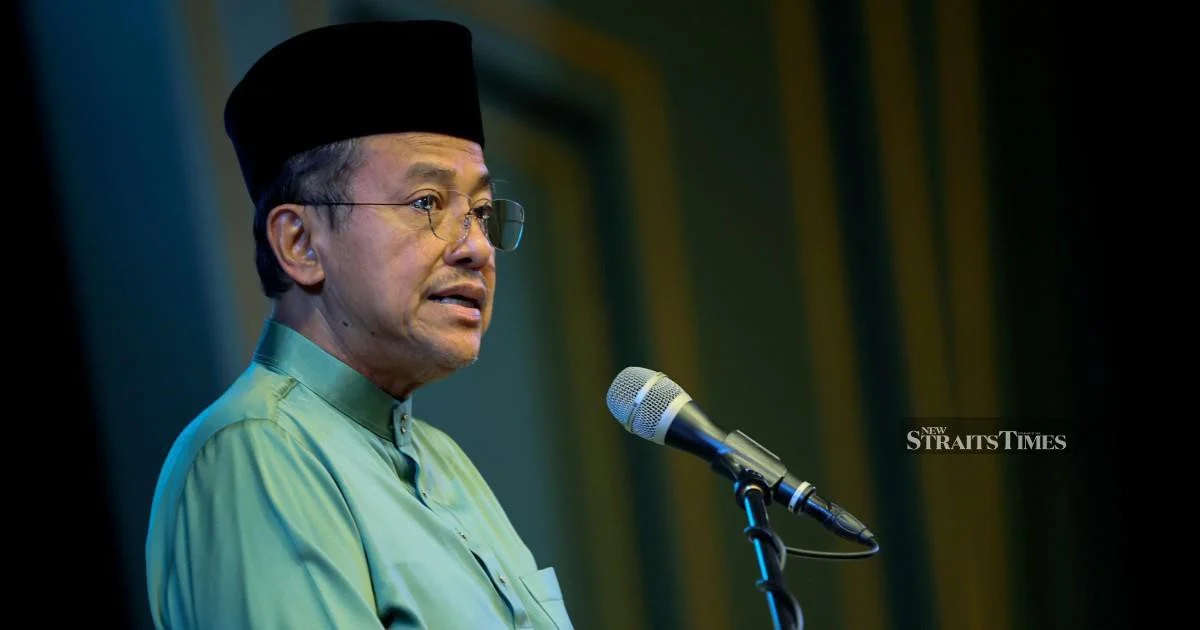
The Perikatan Nasional coalition will take centre stage at a significant leadership council meeting scheduled for tomorrow, with Bersatu's status and trajectory within the bloc set to occupy a prominent place on the agenda. Datuk Seri Dr Ahmad Samsuri Mokhtar, vice-president of PAS, confirmed the gathering will provide an opportunity for senior figures across the opposition coalition to evaluate the current state of affairs and chart the path forward for the alliance that has become increasingly important in Malaysian politics.
The timing of this meeting underscores the complex dynamics at play within PN, a coalition that has undergone considerable flux since its formation. Bersatu, helmed by former Prime Minister Mahathir Mohamad, has represented both an asset and a source of tension within the broader alliance structure. As one of the more unpredictable components of the coalition, its positioning relative to other members warrants periodic reassessment, particularly when external political pressures mount or internal friction threatens cohesion.
For Malaysian political observers, the significance of tomorrow's deliberations extends beyond mere procedural governance. The condition of PN as a unified opposition force carries implications for the broader political landscape heading into any potential electoral contests. Coalition stability hinges on member parties feeling adequately represented and positioned within the framework, and Bersatu's sometimes unconventional approach to coalition politics has occasionally created uncertainty about its long-term commitment to the broader alliance.
The meeting's focus on Bersatu reflects the reality that opposition coalitions in Malaysia operate under constant pressure. Unlike governing coalitions that benefit from the machinery of state and institutional frameworks that reinforce unity, opposition alliances must actively cultivate and maintain internal cohesion through ongoing dialogue and mutual accommodation. Dr Ahmad Samsuri's willingness to publicly acknowledge that Bersatu's position would be a discussion point suggests the leadership recognizes the importance of transparency in managing coalition relations.
PAS, as the largest component of PN in terms of both parliamentary representation and grassroots organizational reach, plays a stabilizing role within the coalition. By signalling through its vice-president that institutional mechanisms for addressing coalition matters remain functional, PAS implicitly reassures other members that concerns can be raised and resolved through structured dialogue rather than public acrimony or unilateral action.
The backdrop to this meeting involves several considerations that make Bersatu's position uniquely complex. The party operates somewhat distinctly from its coalition partners in terms of organizational culture and political philosophy. While PAS brings Islamic governance principles to the coalition and Umno-linked factions emphasize traditional Malay nationalism, Bersatu has often positioned itself as a pragmatic, personality-driven entity that shifts emphasis based on evolving political circumstances.
For Malaysian readers and political analysts, understanding coalition mechanics remains crucial to comprehending how governance operates when no single party holds overwhelming parliamentary dominance. The PN coalition, despite its opposition status, continues to shape legislative discussions and provides potential governing alternatives should current political configurations shift. The health and stability of such alliances therefore warrant close attention from those interested in Malaysia's democratic trajectory.
The upcoming meeting also reflects broader patterns in Southeast Asian coalition politics. Regional democracies increasingly feature coalition arrangements rather than single-party dominance, creating complex negotiation environments where maintaining alignment becomes a continuous exercise. Malaysia's experience with PN alongside the government coalition provides comparative insights relevant to the region's political development.
Dr Ahmad Samsuri's public confirmation of the agenda item demonstrates that PN leadership approaches internal matters with a degree of openness. Rather than allowing tensions to simmer unaddressed or conducting sensitive discussions entirely behind closed doors with subsequent contradictory narratives emerging, the coalition appears committed to formal processes for examining member positions and roles. This institutional approach, if consistently maintained, can strengthen long-term coalition prospects by preventing misunderstandings and resentment from accumulating beneath the surface.
Looking forward, the outcomes of tomorrow's discussion may influence how PN positions itself for upcoming political challenges and opportunities. Coalition stability requires periodic recalibration, particularly when member parties experience internal developments or when broader political circumstances create new pressures. By explicitly examining Bersatu's position now, PN leadership demonstrates recognition that proactive management of coalition dynamics serves everyone's interests more effectively than allowing grievances or uncertainties to fester.
For Bersatu specifically, the discussion offers an opportunity to clearly articulate its vision for remaining within PN and address any concerns other members may harbour about its commitment level or political direction. Conversely, other coalition partners can express their expectations for Bersatu's role and contribution going forward. Such explicit conversations, while sometimes uncomfortable, ultimately strengthen coalitions by ensuring all parties understand precisely where they stand and what mutual obligations entail.