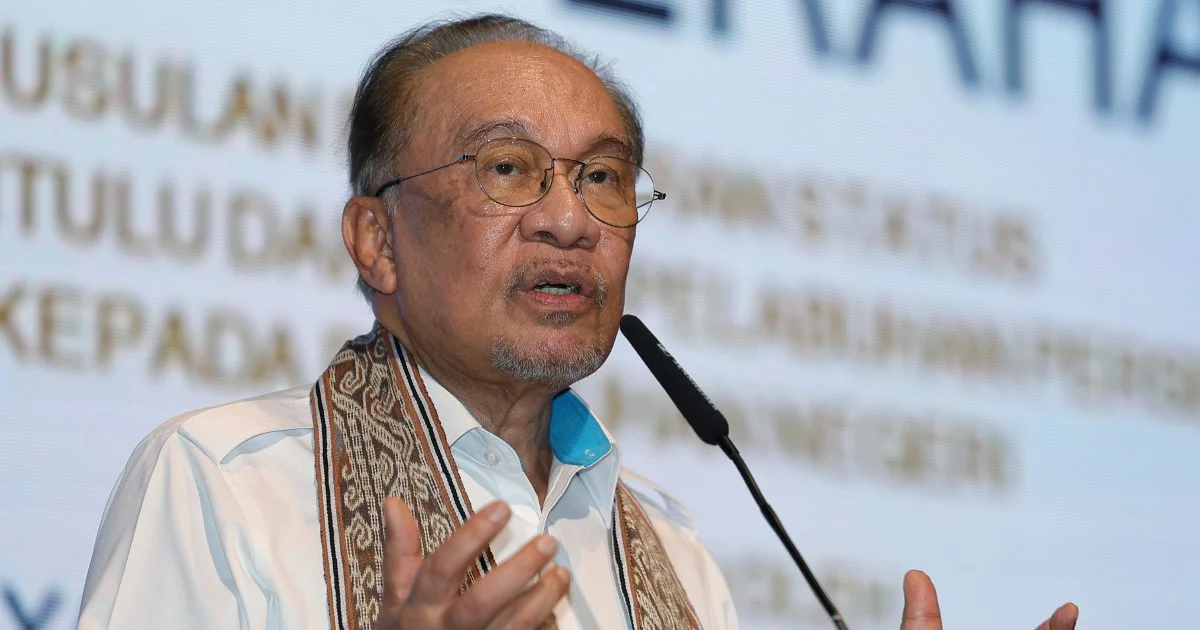
Prime Minister Datuk Seri Anwar Ibrahim has offered an encouraging update on the protracted dialogue between Petronas and Petros, stating that negotiations are moving in a positive direction. The statement, delivered in Kuching, suggests momentum is building in efforts to align Malaysia's largest oil and gas operators around shared strategic objectives. This development carries significant implications for the energy sector's trajectory and the government's broader economic agenda heading into the coming months.
The discussions between Petronas and Petros represent a crucial attempt to harmonise operations and governance frameworks across Malaysia's oil and gas industry. Petronas, the country's flagship national oil corporation, operates globally across exploration, production, refining, and downstream businesses, while Petros—the Petroleum Nasional Berhad holding company—manages the state's petroleum resources and strategic interests. Bringing these entities into greater alignment has long been viewed as essential to maximising resource extraction efficiency and ensuring optimal returns for the Malaysian economy.
The timing of Anwar's remarks underscores the government's priority in resolving longstanding structural tensions within the energy sector. Past disagreements over operational autonomy, resource allocation, and regulatory oversight have occasionally created friction between the two organisations. A successful reconciliation could unlock significant operational synergies and reduce duplicative administrative overhead. For investors and industry participants, clarity on the working relationship between these two pillars of Malaysia's petroleum industry remains vital to making informed capital allocation decisions.
For Malaysia, a nation heavily dependent on hydrocarbon revenues, these negotiations carry weight beyond corporate governance. Oil and gas earnings fund crucial government programmes, infrastructure development, and national reserves. Any improvement in sector efficiency directly translates to enhanced fiscal capacity. Moreover, at a time when energy transition pressures mount globally, a unified Malaysian oil and gas establishment better positioned to manage the shift towards cleaner fuels and renewable energy investments.
The Malaysian public and regional investors have watched these talks with cautious interest. Petronas maintains downstream operations spanning Southeast Asia and beyond, while Petros holds significant upstream interests, particularly in Sarawak. Harmonising their strategies could strengthen Malaysia's competitive standing in regional energy markets and improve the country's capacity to negotiate favourable terms with international partners and customers.
Anwar's confirmation of positive momentum suggests the negotiating teams have overcome some of the technical and administrative hurdles that typically slow such discussions. However, the Prime Minister's characterisation as "positive progress" rather than imminent resolution indicates substantive work remains. Energy sector restructuring typically requires careful navigation of employment protections, management hierarchies, and shareholder interests—all areas where compromise demands sustained engagement.
For Malaysian businesses with exposure to the energy sector, this development represents potential clarification of operational parameters going forward. Supply chains, service contracts, and investment decisions often hinge on understanding how Petronas and Petros will coordinate activities. Greater clarity on governance frameworks could reduce market uncertainty and encourage fresh capital commitments within the industry.
Regionally, a strengthened Malaysian oil and gas sector—achieved through improved internal coordination—enhances the country's influence in ASEAN energy discussions and in broader Indo-Pacific energy security arrangements. Indonesia, Thailand, and Vietnam closely monitor developments affecting regional petroleum supplies and pricing dynamics. Malaysia's ability to optimise its energy production sends signals throughout regional commodity markets.
The geopolitical context also matters. As energy security concerns intensify globally, governments increasingly value stable, well-managed hydrocarbon suppliers. A Malaysian oil and gas sector demonstrating coherent governance and clear strategic direction becomes more attractive to long-term buyers and partners compared to one viewed as fragmented or operationally inefficient.
Looking ahead, observers will scrutinise whether the positive trajectory Anwar identified translates into concrete agreements on operational integration, governance structures, or strategic alignment. The government has incentive to move negotiations toward closure, given the broader economic challenges Malaysia confronts. Resolved tensions within the energy sector free policy attention and bureaucratic bandwidth for other critical issues.
The broader energy transition also frames these discussions. As Malaysia navigates the shift toward renewable energy and explores green hydrogen opportunities, having a unified, professionally managed oil and gas establishment becomes even more strategically important. Clear operational hierarchy and shared strategic vision enable resources to be redirected toward emerging energy opportunities rather than consumed by internal coordination disputes.
Anwar's statement, while measured in tone, signals genuine progress rather than routine optimism. Given the complexity of reconciling two major institutions with distinct mandates and historical tensions, confirming constructive momentum carries weight. Malaysian business sentiment, foreign investor confidence, and energy sector hiring and investment decisions may all improve if negotiations ultimately yield functional agreements benefiting both parties and the broader economy.