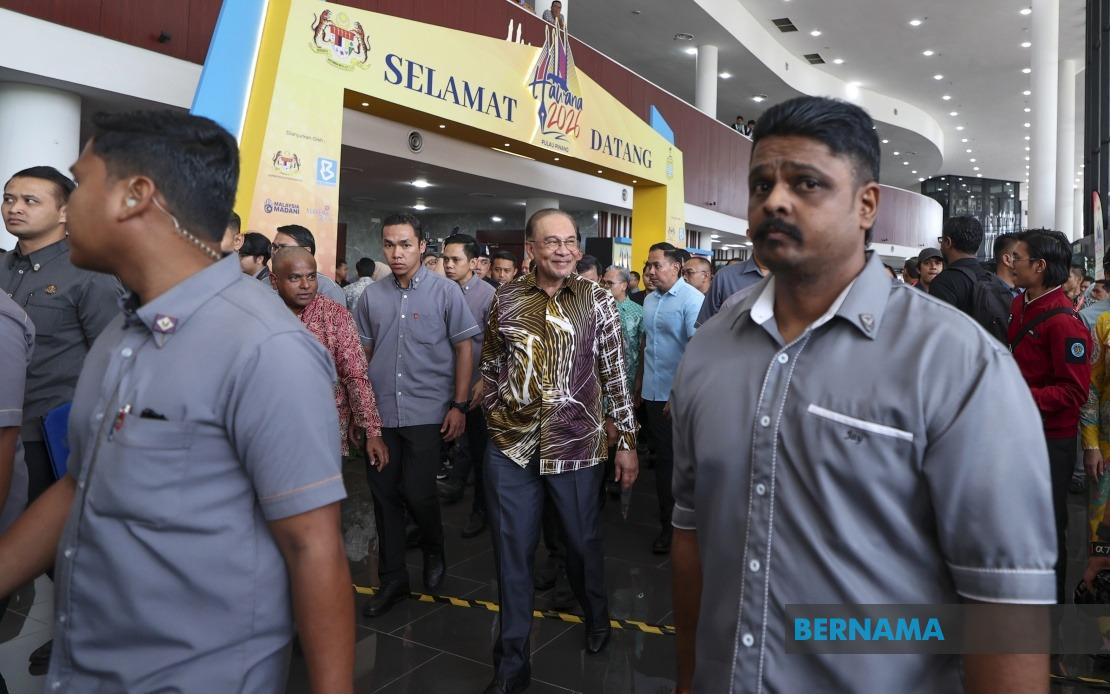
Prime Minister Datuk Seri Anwar Ibrahim officially opened the HAWANA 2026 National Journalists' Day celebration on Thursday afternoon at the PICCA Convention Centre @ Butterworth Arena in Penang, underscoring the government's commitment to recognising the journalism profession. His arrival at 2.40 pm marked the commencement of the event's main proceedings, with the Prime Minister receiving a formal welcome from Penang Chief Minister Chow Kon Yeow, Communications Minister Datuk Fahmi Fadzil, and Communications Ministry secretary-general Datuk Abdul Halim Hamzah.
The gathering demonstrated the significance placed on media professionalism at the highest levels of government. Before engaging with the formal programme, Anwar took time to tour the exhibition areas and photograph displays, a gesture that reflected the inclusive nature of this year's celebration and the government's engagement with the broader media community assembled for the occasion.
HAWANA, organised by the Ministry of Communications with Bernama as the implementing agency, has evolved into one of Malaysia's most important professional recognition platforms for journalists. The event drew considerable representation from the nation's media leadership, including Bernama chairman Datuk Seri Wong Chun Wai, chief executive officer and HAWANA 2026 Working Committee chairman Datin Paduka Nur-ul Afida Kamaludin, editor-in-chief Arul Rajoo Durar Raj, and project director Mohd Shukri Ishak, reflecting institutional commitment to honouring journalistic excellence.
What distinguished this year's celebration was its distinctly regional character. The event attracted delegates from across Southeast Asia, positioning Malaysia as a convening hub for media excellence in the region. Representatives from Timor-Leste's Secretary of State for Social Communication Expedito Loro Dias Ximenes, Cambodia's Ministry of Information, and Laos' Ministry of Technology and Communications attended, alongside senior officials from both countries' news agencies. This diplomatic representation underscored ASEAN's recognition of journalism's role in regional stability and credible information dissemination.
The international attendance extended beyond government representatives. News agencies from Indonesia's Antara, Vietnam's state news operation, and China's Xinhua participated, alongside professional journalism associations from across the region. The presence of Indonesia's Journalists Association and the Malaysia-Indonesia Journalists Fellowship highlighted the deep professional networks that bind regional media practitioners together, fostering cross-border collaboration on shared challenges facing contemporary journalism.
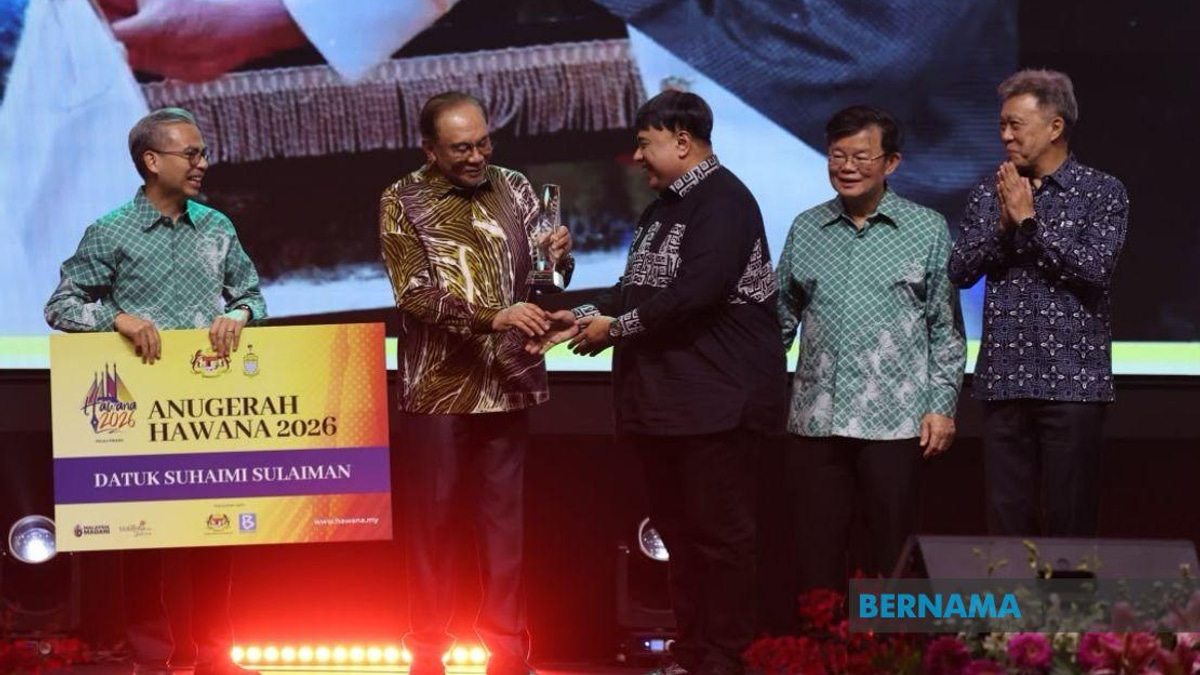
During the ceremonial proceedings, Anwar was scheduled to present HAWANA Awards and Special HAWANA Awards to individuals whose careers have substantially advanced the journalism profession and shaped public discourse. The recognition extended to supporting media veterans through distributions from the Kasih@HAWANA Fund, a welfare initiative that acknowledges journalists' contributions over extended careers. These awards represent more than symbolic recognition; they signal state validation of journalism as an essential democratic institution worthy of sustained professional development and support.
The 2026 edition adopted the thematic focus of 'Media Integrity Strengthens Credibility', a particularly resonant message in Southeast Asia's contemporary information environment. This theme addresses longstanding concerns about misinformation, disinformation, and the erosion of public trust in media institutions across the region. By elevating media integrity as the central concern, HAWANA 2026 positioned the journalists' profession as frontline defenders against information chaos, emphasising that credibility serves as journalism's most valuable asset in an increasingly fragmented media landscape.
The congregation of approximately 1,000 media practitioners from Malaysia and abroad created a working forum where contemporary journalism challenges could be discussed and future directions shaped collaboratively. Such gatherings serve critical functions beyond ceremonial recognition, facilitating the exchange of professional best practices, ethical frameworks, and technological innovations that enable journalists to navigate digital transformation while maintaining editorial standards. For regional participants, these exchanges particularly matter as Southeast Asian newsrooms confront similar pressures from platform algorithms, audience fragmentation, and resource constraints.
Bernama's role as implementing agency reflects its evolution from a state news agency into an institutional custodian of professional journalism standards across Malaysia. The national news agency's stewardship of HAWANA demonstrates how government-aligned media institutions can champion professional excellence without compromising editorial independence, a balancing act that remains strategically important in the region. The presence of international news agencies alongside Bernama signals peer recognition of the celebration's legitimacy as a professional gathering rather than merely a state propaganda event.
For Malaysian journalists specifically, HAWANA 2026 provided recognition of their profession at the highest governmental level during a period when newsroom economics remain challenging across Southeast Asia. The awards and welfare support acknowledge journalism's societal value at a moment when digital disruption has destabilised traditional business models. Such state recognition can contribute to sustaining professional morale and attracting talent to journalism careers, concerns shared throughout the region.
The Penang venue itself carried symbolic weight, positioning journalism's professional celebration outside Kuala Lumpur and affirming that media excellence extends throughout Malaysia's federal structure. This geographical dispersal of major national events reinforces federal principles and ensures that regional media communities participate directly in professional recognition ceremonies rather than viewing them as centrally-controlled functions.
Moving forward, HAWANA's regional dimensions suggest potential for deepening Southeast Asian cooperation on journalism standards, press freedom advocacy, and professional development. The attendance of government communications officials from multiple ASEAN members indicated official interest in coordinating approaches to media governance, potentially including collaborative initiatives on combating misinformation and strengthening institutional journalism capacity across member states. For Malaysia, hosting such gatherings positions the nation as a regional standards-setter for professional journalism practice.