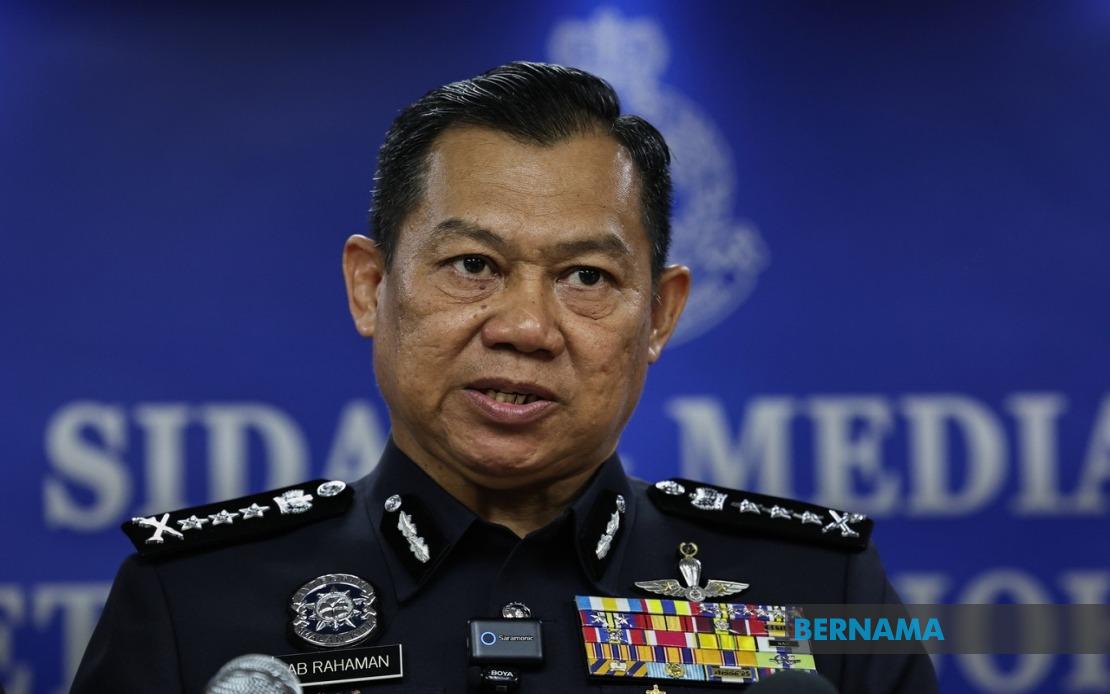
The Royal Malaysia Police has committed significant resources to safeguard the integrity of the upcoming Johor State Election, announcing the deployment of 11,926 officers and personnel to oversee security arrangements and administrative operations throughout the electoral process. Datuk Ab Rahaman Arsad, the Johor Police Chief, disclosed the comprehensive mobilisation strategy during a briefing at the Johor Police Contingent Headquarters, emphasising the force's determination to maintain calm and facilitate smooth voting procedures across the state.
The deployment structure reflects sophisticated operational planning tailored to distinct phases of the electoral cycle. Rather than concentrating personnel at a single moment, the police intend to adjust their presence dynamically in response to evolving security requirements as the election progresses through nomination, campaigning, polling, and counting phases. This phased methodology allows the force to allocate resources precisely where and when they are most needed, minimising disruption to routine policing in non-critical areas while ensuring comprehensive coverage during peak activity periods.
Beyond the regular PDRM establishment, the Johor contingent has secured substantial reinforcement from specialised units answering to the Internal Security and Public Order Department. The additional workforce comprises 54 commissioned officers and 701 personnel drawn from the General Operations Force, Federal Reserve Unit, PDRM Air Unit, and Marine Police Force. This diversified support network introduces tactical capabilities that extend police presence beyond ground level, incorporating aerial reconnaissance and waterborne patrols—a particularly relevant consideration in a state with significant maritime boundaries and river systems.
The mobilisation underscores the seriousness with which Malaysian authorities regard electoral security. State elections represent critical junctures in democratic governance where peaceful contestation must be visibly protected against potential disruption. The scale of the PDRM's response—nearly one officer per polling district in many instances—signals official commitment to preventing violence, intimidation, or fraud that could undermine public confidence in results. For Malaysian voters, particularly first-time participants, such visible security presence often provides reassurance that their votes will be counted fairly regardless of which candidate they support.
Johor's electoral importance to the broader Malaysian political landscape cannot be understated. As the nation's second-largest state by population and a traditional stronghold of significant political blocs, developments in Johor elections frequently reverberate across state boundaries. Police coordination at this scale reflects recognition that disorder in Johor could attract copycat incidents elsewhere or inflame communal tensions with national implications. The careful messaging around the deployment—emphasising adjustment to operational needs rather than imposing blanket restrictions—seeks to balance security imperatives with democratic principles.
The inclusion of Federal Reserve Unit personnel, a paramilitary formation designed for public order emergencies, suggests authorities anticipate potential scenarios requiring crowd control capabilities. However, police statements have avoided inflammatory language, framing their role as facilitators rather than enforcers. This rhetorical approach matters because heavy-handed police presence at polling stations can deter voters from participating, particularly among communities with historical mistrust of state institutions. The Johor Police's emphasis on maintaining public order rather than military-style occupation represents a delicate calibration.
Marine and air unit deployments carry particular relevance for Johor given its geographic profile. Rapid response capabilities via helicopter mobility could prove essential for remote constituencies in southern districts, whilst maritime patrols ensure that offshore villages and communities on river settlements receive adequate security coverage. Such capabilities have become increasingly important as Malaysian electoral administration has matured, with authorities recognising that comprehensive security means reaching every voter, not merely concentrating on urban centres where deployment logistics prove simpler.
For Southeast Asian observers monitoring democratic resilience in the region, Malaysia's granular approach to electoral security offers instructive contrasts with neighbouring jurisdictions. The deployment size relative to population, the transparency in announcing personnel numbers, and the articulation of phased rather than permanent exceptional measures reflect institutional confidence in the electoral system's underlying legitimacy. Whether this confidence proves warranted will depend substantially on how officers conduct themselves during the election period—politicised policing or perceived favouritism could undermine the positive messaging that extensive preparation is intended to convey.
The broader context includes growing global scrutiny of election management in Southeast Asia. Regional peers face increasing international pressure regarding democratic standards, and Malaysia's police mobilisation will be examined for adherence to international best practices. The involvement of multiple specialist units, combined with public articulation of deployment principles, suggests authorities understand they operate under international observation. This awareness can incentivise professional conduct, though cynics might argue that transparent planning merely obscures inevitable partisan application.
For voters in Johor, the practical reality of 11,926 additional officers will vary considerably depending on location and timing. Urban polling centres may experience visible security presence including checkpoints and vehicle patrols, whilst rural and suburban areas might see minimal police visibility despite theoretical coverage expansion. Managing public expectations about policing levels remains crucial—voters expecting visible security everywhere will be disappointed, whilst those fearing police interference might be pleasantly surprised. This gap between announced deployment and perceived presence frequently shapes public perceptions of electoral fairness more powerfully than actual officer conduct.
Looking forward, the success of this security framework will be measured not merely by absence of violence but by whether voters feel simultaneously protected and free. The police force's capacity to deploy 11,926 personnel efficiently depends on communication systems, logistics networks, and personnel training that Johor Police Command has presumably calibrated through previous elections. Institutional learning from previous state elections—whether in Johor itself or other states—informs current planning, though each election presents unique variables that standardised protocols cannot entirely anticipate.
The police announcement arrives amid broader discussions across Malaysia about electoral integrity and public trust in democratic institutions. By transparently committing substantial resources and articulating clear deployment philosophy, authorities signal seriousness about their stewardship responsibilities. Whether such assurances sufficiently persuade all segments of the Johor electorate to participate confidently in the election will become apparent when voting occurs, and the true measure of this security deployment's success will ultimately rest on that day's peaceful and orderly conduct.