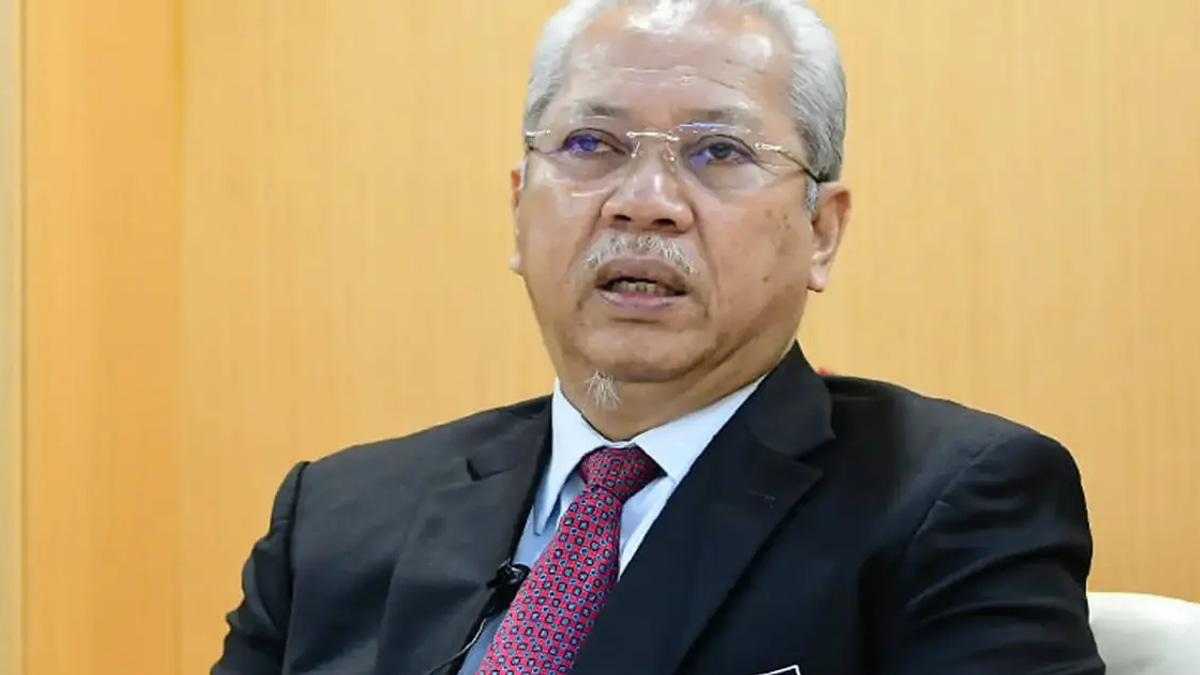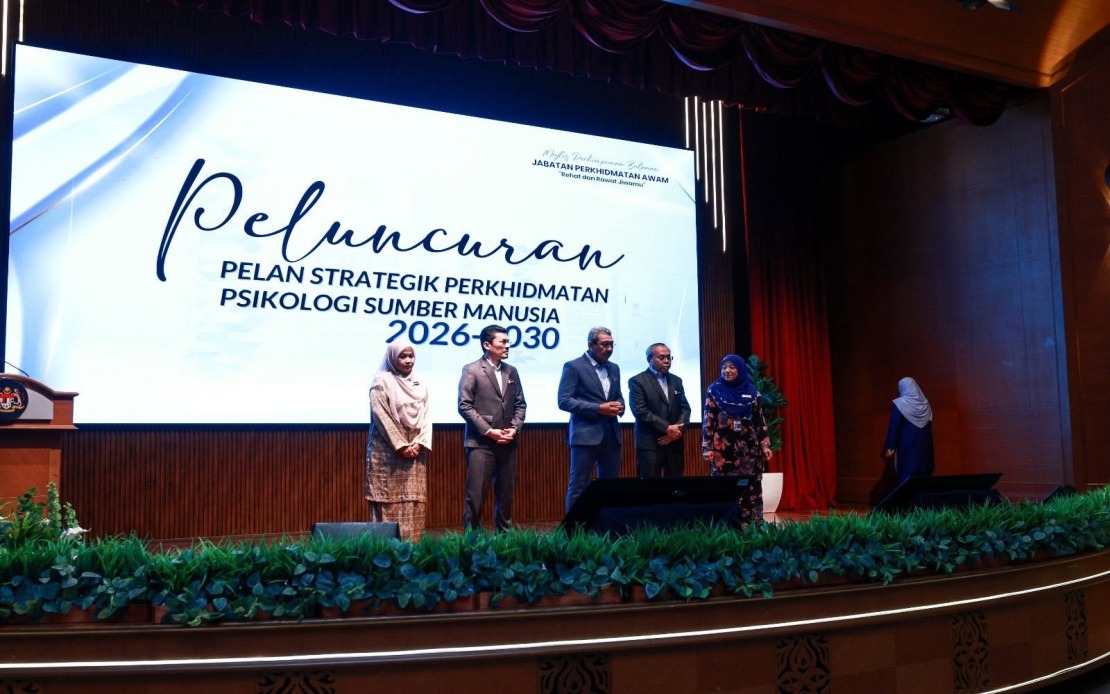
The Public Service Department has formally unveiled its Human Resources Psychology Services Strategic Plan 2026-2030, marking a significant institutional commitment to prioritising the mental health and psychological resilience of Malaysia's civil service workforce. Announced at the PSD Monthly Assembly in Putrajaya on June 19, the comprehensive initiative was formally inaugurated by Public Service Director-General Tan Sri Wan Ahmad Dahlan Abdul Aziz and encompasses 12 strategic pillars, 22 distinct programmes, and 48 measurable key performance indicators designed to transform how government employees access and engage with psychological support services.
The launch theme, "R&R (Rest and Treat) Your Soul", encapsulates the strategic approach underpinning the five-year roadmap. Rather than adopting a purely reactive stance toward mental health crises, the initiative emphasises proactive intervention and early engagement with professional psychological services. The "Treat" concept specifically encourages civil servants to recognise psychological challenges as legitimate workplace concerns requiring professional attention, fundamentally shifting the cultural narrative around mental health within government institutions from one of stigma to one of normalised, valued support-seeking behaviour.
Tan Sri Wan Ahmad Dahlan's messaging centred on a transformative principle: that organisational well-being fundamentally originates from the psychological health of individual employees. This positioning reflects growing international evidence suggesting that burnout, untreated anxiety, and unaddressed trauma directly undermine productivity, increase absenteeism, and compromise service delivery quality across public sectors. By institutionalising psychological support as a core human resources function rather than a peripheral welfare consideration, the PSD signals that mental health infrastructure is integral to effective governance rather than a discretionary benefit.
The "Rawat" (care/treatment) framework introduced by PSD represents a philosophical evolution in how Malaysian civil service leadership conceptualises employee welfare. This proactive intervention model demands that civil servants exercise personal agency and courage in identifying psychological concerns, vocalising their struggles despite historical workplace stigma, and actively pursuing professional interventions before conditions deteriorate. The emphasis on dismantling stigma proves particularly crucial in Southeast Asian cultural contexts where mental health discussions traditionally remain taboo and where many employees fear professional mental health engagement might compromise career progression or workplace standing.
This psychological services strategy integrates seamlessly with PSD's broader organisational transformation framework, the H.E.M.A.T work culture model. That programme encompasses governance modernisation, enhanced public empathy, adoption of progressive organisational mindsets, appreciation for innovation, and commitment to transparent administrative practices. By positioning mental health support within this larger reform ecosystem, the department recognises that psychological well-being cannot be addressed in isolation but must complement structural governance improvements and cultural shifts throughout the public service.
The scale of the initiative—spanning 12 strategies and encompassing 22 programmes—suggests comprehensive coverage of psychological service delivery across multiple dimensions. This could include preventative wellness programmes, crisis intervention protocols, ongoing counselling services, peer support networks, and training initiatives for supervisors and managers to recognise and respond appropriately to employee psychological distress. The specification of 48 key performance indicators indicates the department intends to measure implementation rigorously, tracking both uptake rates and measurable improvements in civil servant mental health outcomes.
For Malaysia's approximately 1.6 million civil servants, the strategic plan carries practical implications. Enhanced access to professional psychological services addresses a significant capacity gap in the public workforce, where mental health conditions frequently remain undiagnosed and untreated. The explicit messaging that psychological intervention represents strength rather than weakness could fundamentally reshape how government employees perceive mental health support, potentially increasing utilisation rates for counselling and psychiatric services currently underutilised due to cultural and institutional stigma.
The timing of this initiative reflects broader regional and global recognition of mental health crises affecting public sector employees. Post-pandemic stress, accelerating technological change, organisational restructuring, and intensifying performance demands have elevated psychological strain across government workforces throughout Southeast Asia. Countries including Singapore and Thailand have similarly invested in civil service mental health infrastructure, suggesting Malaysia's approach aligns with regional best practices and emerging standards for government human resource management.
Implementation success will depend critically on several factors. First, budget allocation must adequately resource the 22 programmes without creating mere symbolic commitments lacking operational capacity. Second, leadership engagement throughout the civil service hierarchy must reinforce that seeking psychological support represents organisational values rather than individual weakness. Third, confidentiality protections must remain absolute, as many potential service users worry about privacy breaches affecting promotion prospects. Finally, the 48 performance indicators must measure meaningful outcomes—improved employee well-being and retention—rather than merely programme participation metrics.
For Malaysian businesses and organisations operating within or alongside the public service, this psychological services initiative carries broader implications. As the civil service formally integrates mental health support into institutional structure and culture, private employers face increasing pressure to adopt comparable provisions. The precedent established by government recognition of psychological well-being as essential human resource investment could influence sector-wide expectations regarding employee mental health support across Malaysia's economy.