%22%2F%3E%3C%2Fpattern%3E%3C%2Fdefs%3E%3Crect%20width%3D%22100%25%22%20height%3D%22100%25%22%20fill%3D%22url(%23ph2tt5cg)%22%2F%3E%3Crect%20width%3D%22100%25%22%20height%3D%22100%25%22%20fill%3D%22url(%23ph2tt5cp)%22%2F%3E%3Ctext%20x%3D%2250%25%22%20y%3D%2250%25%22%20text-anchor%3D%22middle%22%20dominant-baseline%3D%22central%22%20fill%3D%22rgba(255%2C255%2C255%2C0.95)%22%20font-family%3D%22Georgia%2C%20'Times%20New%20Roman'%2C%20serif%22%20font-weight%3D%22700%22%20font-size%3D%22320%22%20letter-spacing%3D%22-0.02em%22%3EPSM%3C%2Ftext%3E%3C%2Fsvg%3E)
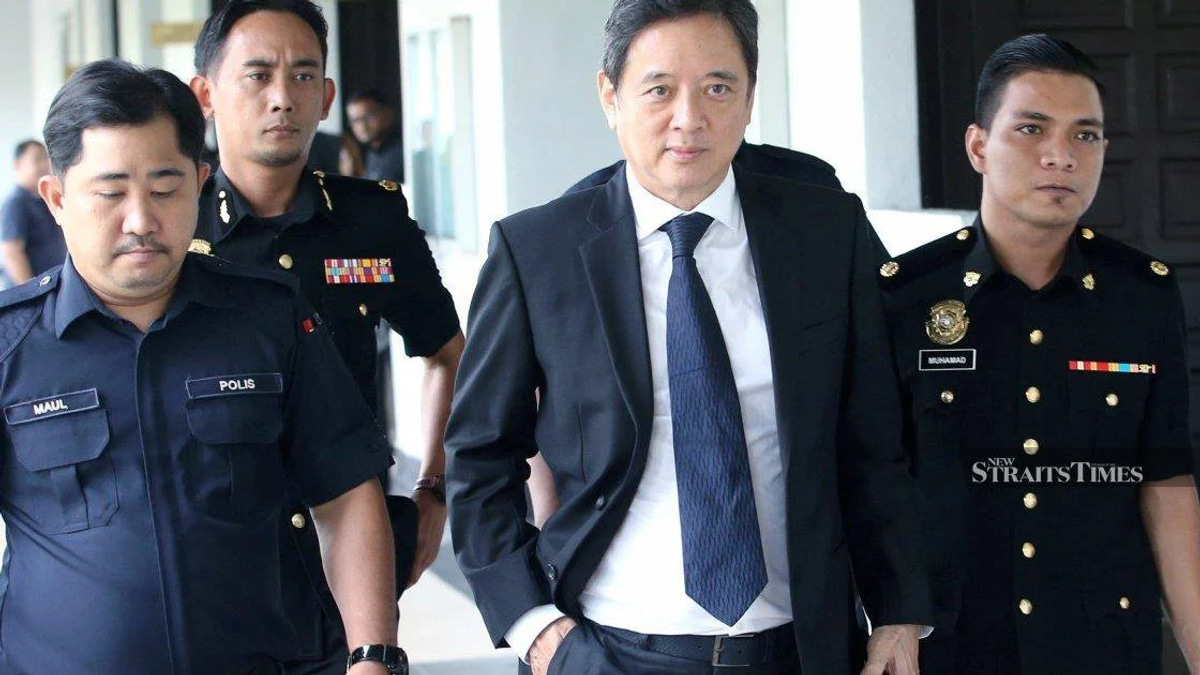
A senior figure at Perbadanan Stadium Malaysia (PSM) has been accused of accepting bribes worth RM1.45 million in connection with tender procedures for the Bukit Jalil National Squash Centre, marking another significant corruption case within Malaysia's state-owned sports infrastructure sector. The charge represents a continued focus by authorities on financial impropriety at major public sporting venues, facilities that serve as venues for national and international competitions and command substantial government budgets.
The case underscores persistent vulnerabilities within the procurement frameworks governing Malaysia's sports infrastructure development. Procurement integrity remains a critical governance challenge, particularly when substantial capital projects involve multiple stakeholders and complex contractual arrangements. The allegations suggest that despite previous corruption cases and anti-graft initiatives, mechanisms designed to ensure transparent bidding processes and fair contractor selection may still contain systemic weaknesses that officials have exploited.
The Bukit Jalil National Squash Centre represents a flagship sporting facility and has hosted prestigious international tournaments. Large-scale infrastructure projects tied to major venues typically involve extensive budgetary commitments and multiple contract awards across different service categories, creating numerous decision points where discretionary judgement is exercised. These characteristics have historically made such projects vulnerable to improper influence, particularly when oversight mechanisms lack sufficient independence or when accountability measures are inadequately enforced.
Corruption allegations within state sports entities carry implications beyond individual wrongdoing. Public trust in state-owned enterprises managing national sporting assets depends heavily on transparent governance and ethical conduct among leadership. When senior executives face accusations of accepting improper benefits in exchange for commercial advantages, confidence in the integrity of procurement decisions diminishes. This erosion of confidence can subsequently affect the effectiveness of future tenders, as contractors may question the fairness of bidding processes and potential investors in sports development may demand enhanced due diligence.
The enforcement action reflects the Malaysian Anti-Corruption Commission's (MACC) ongoing campaign against graft within government-linked companies and state agencies. This prosecutorial activity has intensified over recent years, with high-profile cases targeting individuals across various sectors. The squash centre case fits a broader pattern of investigation into financial irregularities at public institutions managing valuable assets or infrastructure, suggesting that systematic auditing and investigative work has identified concerning patterns warranting legal action.
Financial impropriety at sports facilities affects stakeholder confidence across multiple constituencies. Athletes and sporting bodies depend on properly managed venues and appropriately allocated resources. Taxpayers funding these facilities expect efficient, transparent management. Contractors seeking legitimate business opportunities benefit from competitive procurement processes untainted by corruption. When allegations emerge that officials have compromised these processes, all these stakeholder groups face consequences, from delayed or costlier facility upgrades to uncertainty about future procurement decisions.
The RM1.45 million figure referenced in the charge provides perspective on the scale of alleged misconduct. This sum, if representing commissions or kickbacks related to tender awards, would typically involve contracts valued substantially higher, suggesting the underlying procurement decisions involved significant financial commitments. Understanding the relationship between the alleged bribe amount and total contract values would illuminate the extent of potential financial distortion introduced into tender decisions through the improper influence.
Corruption in sports infrastructure procurement carries long-term consequences beyond immediate financial loss. Facilities constructed or upgraded through compromised tender processes may incorporate suboptimal specifications, inferior materials, or inadequate quality control if cost-cutting enabled inflated profit margins for favoured contractors. Over the facility's operational life, such deficiencies translate into increased maintenance costs, premature component replacement, and potential safety issues. The cumulative effect extends beyond the initial procurement decision into decades of subsequent operational expense and performance compromise.
The case assumes particular relevance for Malaysian sports governance given the nation's aspirations regarding international sporting events and athlete development. Venues hosting world-class competitions must maintain standards meeting international expectations. When procurement integrity becomes compromised, facility quality and construction standards potentially suffer, undermining Malaysia's capacity to attract and successfully host major events. Furthermore, resources inappropriately diverted through corrupt procurement become unavailable for legitimate sporting development, equipment acquisition, and athlete support programmes that enhance competitive performance.
For the broader Southeast Asian region, this case reflects governance challenges common across the Association of Southeast Asian Nations. Sports infrastructure projects in various member states have encountered similar allegations, suggesting that endemic vulnerabilities in procurement oversight and executive accountability persist across diverse institutional and legal contexts. Regional cooperation on anti-corruption initiatives, knowledge-sharing regarding effective procurement controls, and mutual assistance in investigating cross-border aspects of corruption cases could strengthen defences against such impropriety throughout the region.
The prosecution of senior sports administrators carries symbolic importance beyond the individual case. High-profile enforcement actions against executives of well-known sporting institutions signal commitment to accountability and may deter similar misconduct by creating reputational and legal consequences for corrupt behaviour. However, sustained progress requires not merely prosecuting individual wrongdoers but addressing systemic vulnerabilities through procurement reform, strengthened internal controls, enhanced transparency in decision-making, and independent oversight mechanisms that prevent opportunities for improper influence to arise.
Moving forward, the case will likely prompt review of PSM's governance frameworks and procurement procedures across Malaysia's sports infrastructure sector. Regulatory bodies and government entities managing major facilities may implement enhanced controls, including segregation of approval responsibilities, requirement for multi-party authorisation on significant contracts, and strengthened audit functions. Whether these remedial measures prove sufficient in preventing future corruption, or whether deeper institutional reform proves necessary, will become apparent through the subsequent implementation and monitoring of strengthened governance protocols.