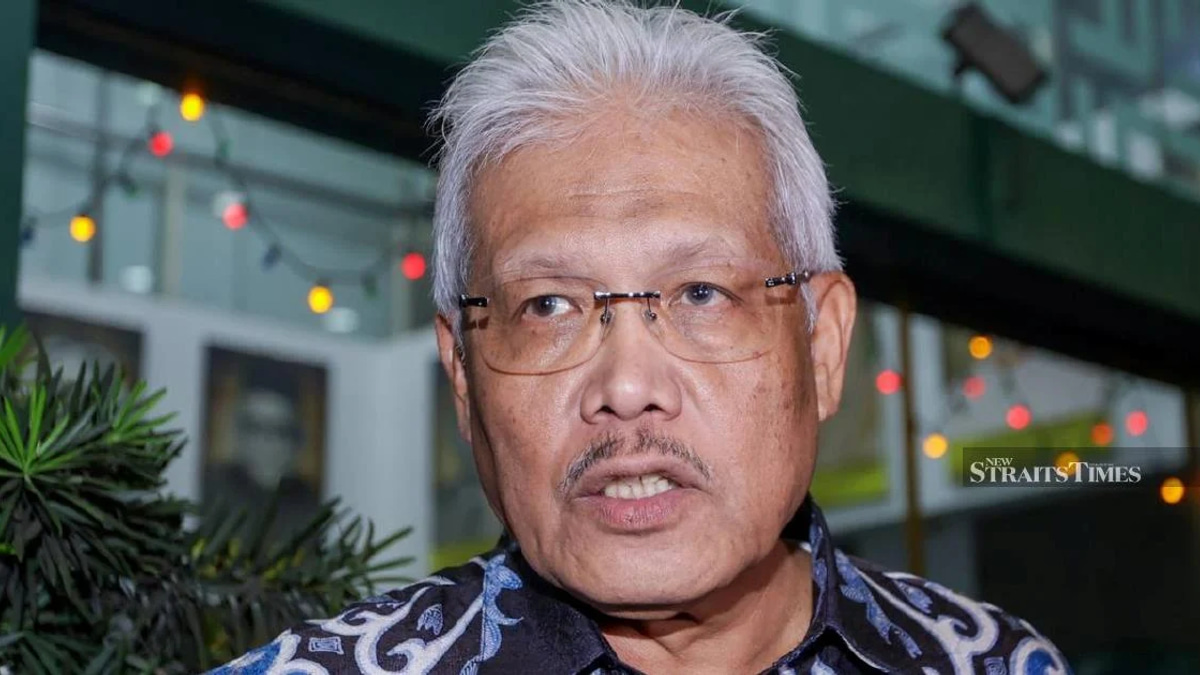
The Rohingya Ulama Council has categorically denied allegations suggesting that members of the community are pursuing Malaysian citizenship, with council chairman Rahimullah Hussain declaring that such claims are baseless fabrications intended to fuel public hostility against the refugee population.
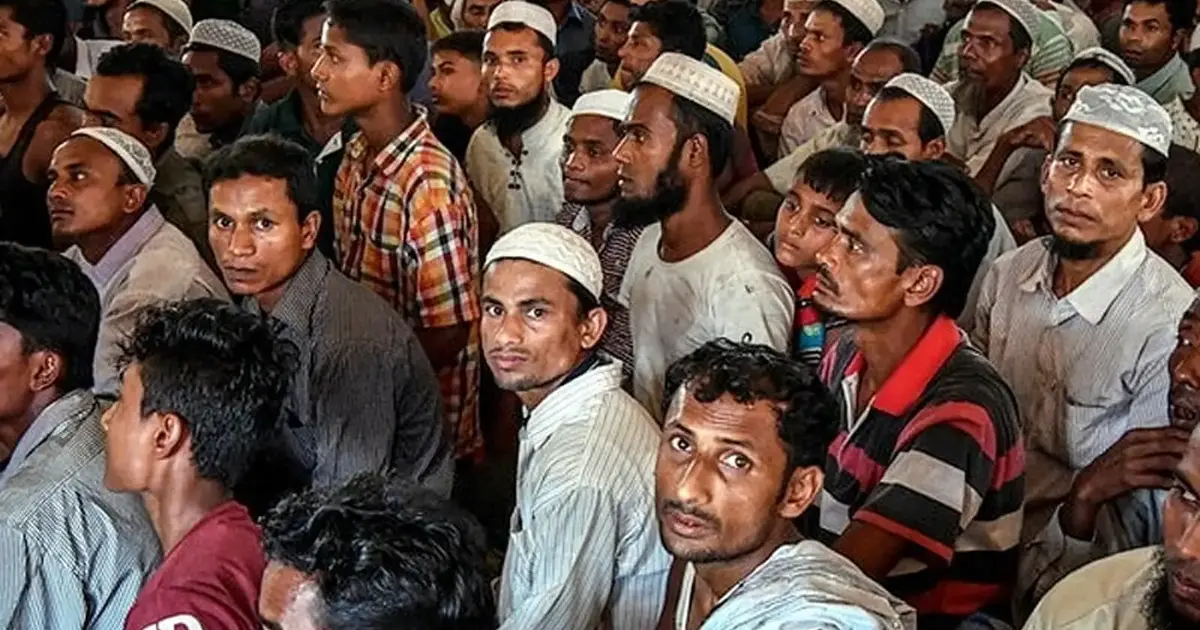
The denial comes as contentious narratives continue to circulate regarding the Rohingya presence in Malaysia, where approximately 180,000 registered refugees live alongside an estimated additional 100,000 undocumented individuals. These figures make Malaysia home to one of the world's largest populations of stateless Rohingya, a Muslim minority ethnically persecuted in Myanmar's Rakhine State. The circulation of unsubstantiated claims about citizenship aspirations reflects broader anxieties within Malaysian society about migration and demographic change, sentiments that can easily be weaponised to undermine community cohesion.
Rahimullah Hussain's intervention represents an important statement of clarification from an established leadership structure within the refugee community. The Rohingya Ulama Council, comprising religious scholars and community leaders, serves as an interface between the Rohingya population and Malaysian authorities as well as international humanitarian organisations. By addressing the allegations directly and characterising them as deliberate misinformation, the council is signalling its concern about the rhetorical tactics being employed against the community and the potential consequences of unchecked false narratives.
The timing of such allegations reflects a broader pattern observed across Southeast Asia, where refugee communities often become scapegoats during periods of economic uncertainty or social tension. Malaysia, facing its own economic pressures and policy debates around immigration, has witnessed periodic spikes in anti-refugee sentiment. Local media coverage, social media commentary, and political discourse have occasionally amplified unverified claims about refugee intentions and behaviour, sometimes with little factual foundation.
The distinction between registered and undocumented Rohingya in Malaysia matters significantly to this discussion. Those holding UNHCR documentation are generally barred from seeking Malaysian citizenship under existing legal frameworks, though they face severe restrictions on employment, education, and movement. The undocumented population operates in even greater precarity, with minimal legal protections. Neither group possesses a realistic pathway to citizenship under current Malaysian law, making mass citizenship applications an implausible scenario regardless of community wishes.
Context matters here for Malaysian readers weighing complex questions about immigration policy. The Rohingya crisis emerged from systematic persecution and ethnic cleansing in Myanmar, driving hundreds of thousands across international borders. Malaysia, along with Indonesia and Bangladesh, has borne disproportionate responsibility for hosting these populations despite possessing fewer resources than wealthier nations. Understanding this burden-sharing reality helps frame discussions about refugee presence in clearer, more accurate terms.
The council's statement also suggests awareness of how inflammatory rhetoric can escalate tensions within host communities and threaten refugee safety. Malaysia has experienced occasional flare-ups of communal tension directed at refugee populations, including harassment incidents and discriminatory treatment. False claims about citizenship-seeking can easily transform into political talking points that further marginalise already vulnerable groups, potentially inciting discrimination or violence.
Rahimullah Hussain's reference to fabrication is significant because it distinguishes between genuine policy debates and deliberate falsehood-spreading. Legitimate discussion about refugee resettlement numbers, resource allocation, or integration frameworks differs fundamentally from spreading unverified claims designed solely to generate public anger. The Rohingya leadership appears to be making precisely this distinction, inviting scrutiny of actual policies while rejecting disinformation.
For Malaysian policymakers and citizens, this episode underscores the importance of verification before accepting or spreading claims about vulnerable populations. The spread of unsubstantiated narratives can poison public discourse, complicate humanitarian cooperation, and undermine evidence-based policy development. Malaysia's own experience as a developing nation that has hosted refugee populations arguably positions it to lead by example in maintaining standards for factual accuracy in discussions of displacement and migration.
The broader challenge facing the Rohingya community in Malaysia involves establishing stable, dignified existence within legal and social constraints. Most seek protection, livelihood opportunities, and security rather than citizenship—basic human necessities that host countries can enable through pragmatic policy without necessarily altering citizenship frameworks. Distinguishing between these genuine needs and fabricated allegations thus becomes essential for productive dialogue.
Looking forward, statements like that from the Rohingya Ulama Council may help establish clearer communication between refugee leadership and Malaysian society. Regular, transparent dialogue about actual community conditions and aspirations can help displace speculation and misinformation with factual understanding. International organisations working alongside Malaysian authorities can support this process by facilitating information-sharing and community engagement.
Ultimately, the council's response illustrates how refugee communities themselves increasingly recognise the necessity of countering narratives that threaten their safety and security. By publicly rejecting false claims, Rohingya leaders are not only defending their community but also appealing to Malaysian society's capacity for rational assessment of evidence—a foundation essential for any functioning, diverse society.