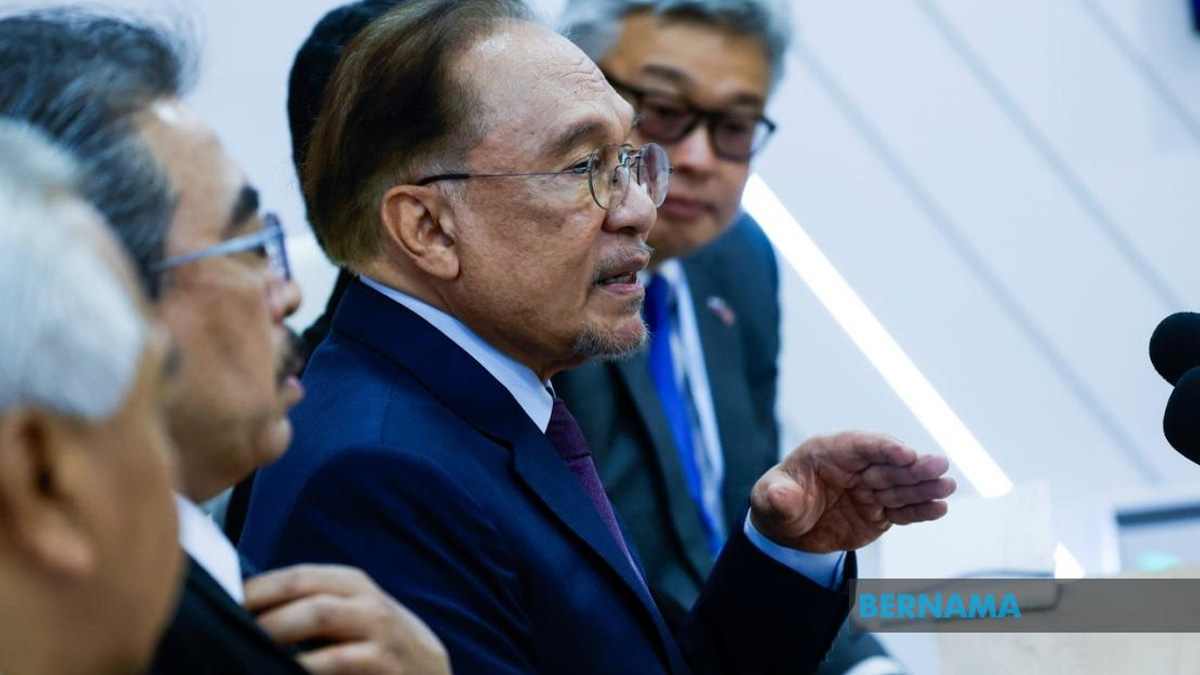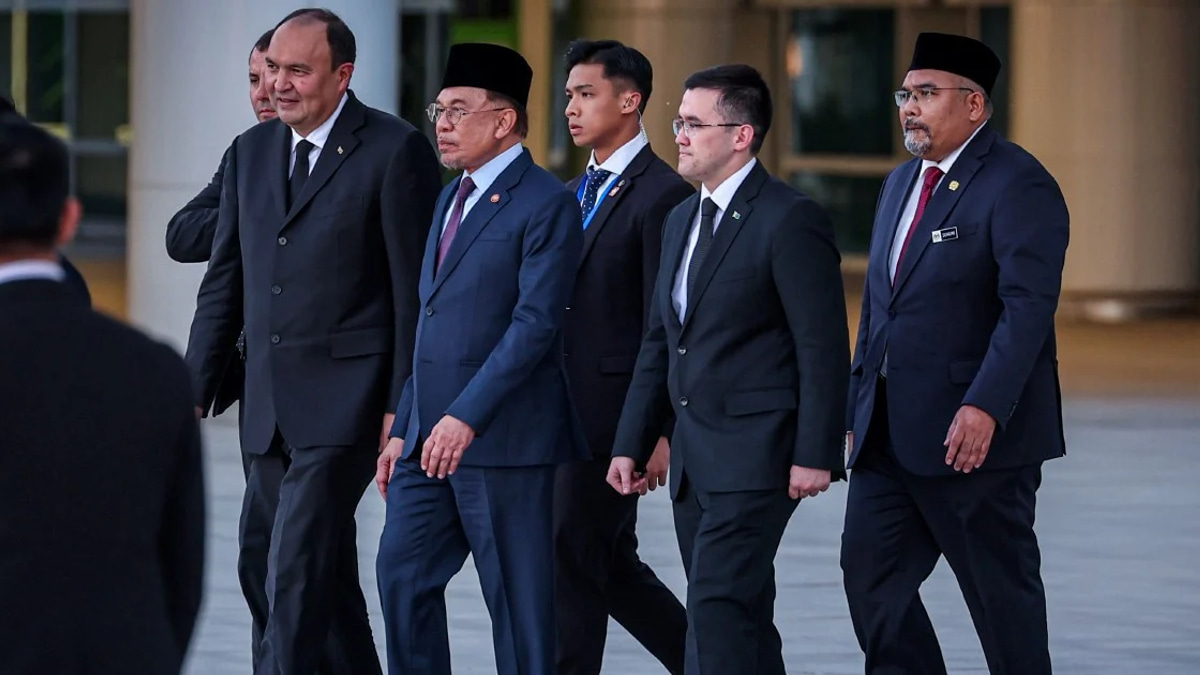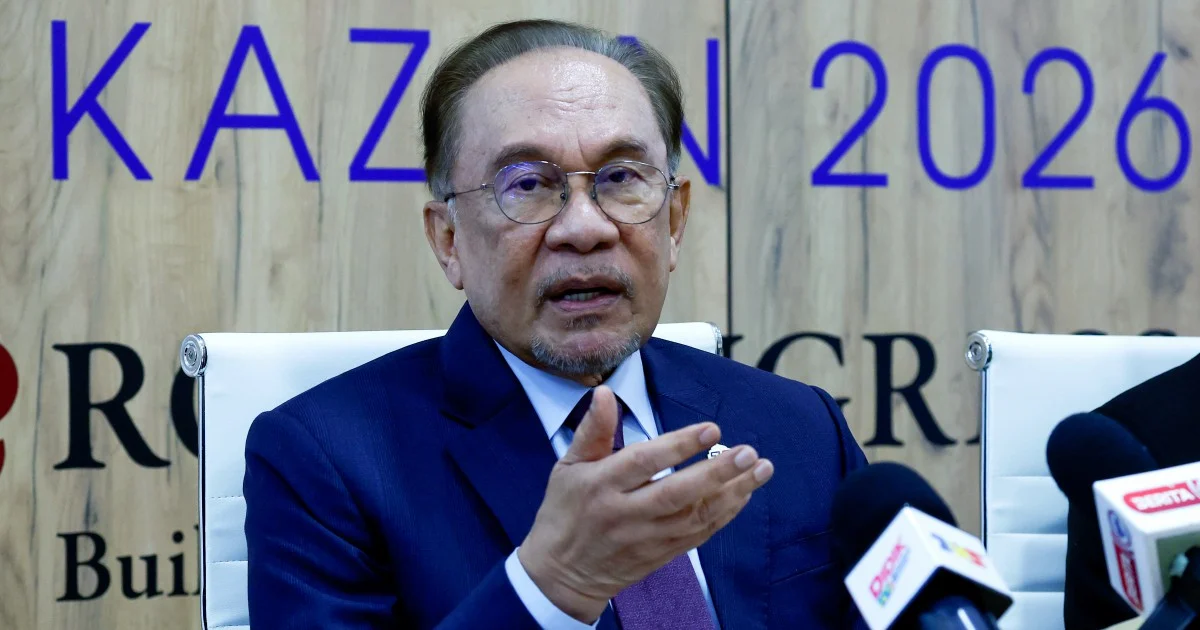
Prime Minister Anwar Ibrahim announced in Kazan that Russia has committed to supplying Malaysia with sustained quantities of petrol, oil, and gas over an extended period, marking a significant development in energy partnerships between the two nations. The commitment represents a strategic broadening of Malaysia's energy procurement channels beyond traditional suppliers, particularly as global energy markets face ongoing volatility and geopolitical uncertainty.
The assurance comes at a time when Malaysia faces growing energy demands driven by population growth, industrial expansion, and economic development across the Southeast Asian region. With domestic energy reserves finite and subject to natural depletion, Malaysia has increasingly looked to diversify its energy import sources to ensure long-term economic stability and reduce dependency on any single supplier or region. The Russian commitment addresses these structural concerns by providing access to one of the world's largest hydrocarbon reserves.
For Malaysia, the arrangement offers potential advantages in both price competitiveness and supply security. Russia, despite facing international sanctions related to its invasion of Ukraine, maintains substantial spare capacity in oil and gas production and continues seeking willing buyers in Asia, where markets remain less constrained by Western-aligned restrictions. This mutual interest creates conditions favourable for negotiating favourable terms over extended contract periods.
The energy landscape in Southeast Asia has shifted considerably in recent years, with countries in the region pursuing more pragmatic and diversified approaches to procurement. Traditional Western suppliers and suppliers in the Middle East remain important, but Asian economies increasingly recognise the value of establishing multi-sourced supply chains to insulate themselves from supply shocks or price volatility concentrated in any single region. Malaysia's engagement with Russia reflects this broader regional recalibration of energy diplomacy.
From Russia's perspective, the Malaysian commitment offers valuable market access and foreign currency earnings at a time when Western markets have substantially reduced their engagement. Beyond the immediate commercial benefits, energy partnerships serve as anchors for broader diplomatic and economic relationships. By securing Malaysia's confidence in long-term supply reliability, Russia strengthens political ties and creates frameworks for potential cooperation in other sectors including trade and investment.
The Malaysian government has historically maintained a balanced foreign policy, avoiding excessive alignment with any single power while pursuing bilateral relationships that serve national economic interests. The energy agreement with Russia aligns with this tradition of pragmatism, allowing Malaysia to access competitively priced hydrocarbons while maintaining its established relationships with other energy suppliers including Middle Eastern producers and Western trading partners.
Energy security considerations carry particular weight for Malaysia given its role as a major oil and gas producer itself. While Malaysia possesses significant offshore reserves, production levels have declined from historical peaks, necessitating increased imports to meet domestic consumption and maintain industrial competitiveness. Manufacturing sectors, petrochemicals, power generation, and transportation all depend critically on stable, affordable energy supply. The Russian commitment helps underpin this stability.
The announcement also occurs within the context of Malaysia's ongoing economic diversification efforts and infrastructure development. Major projects including manufacturing expansions, technology hubs, and transportation networks all require substantial energy inputs. Long-term certainty regarding fuel availability and pricing allows Malaysian planners and investors to make capital commitments with greater confidence about operational costs over the projects' lifespans.
Regionally, Malaysia's arrangement with Russia may influence energy procurement strategies among neighbouring Southeast Asian nations. Countries including Thailand, Vietnam, and Indonesia all face similar energy security challenges and may observe Malaysia's experience with Russian partnerships before potentially pursuing comparable arrangements. This interconnected strategic environment means bilateral agreements between Malaysia and Russia carry implications extending throughout the broader region.
The timing of the announcement also reflects Malaysia's broader diplomatic engagement, with Prime Minister Anwar Ibrahim actively expanding Malaysia's international relationships across multiple continents. Rather than viewing relationships through a zero-sum lens where closer ties with one power necessarily diminish relationships with others, Malaysian diplomacy increasingly seeks to cultivate mutually beneficial arrangements with diverse partners. The Russian energy commitment exemplifies this approach.
Malaysia's energy transition challenges add another dimension to the significance of this commitment. While the country has made commitments toward renewable energy development and sustainability goals, fossil fuels will necessarily remain central to Malaysia's energy mix for decades. Having diversified, reliable sources of conventional energy supply provides flexibility during the transition period and ensures economic continuity as renewable infrastructure gradually expands.
The assurance from Russia addresses immediate practical concerns while also signalling confidence in Malaysia's political and economic stability. Long-term energy supply agreements typically require confidence that purchasing countries will remain reliable counterparties capable of honouring financial obligations. Russia's willingness to commit supplies on extended timelines implicitly reflects confidence in Malaysia's institutional strength and creditworthiness.
Looking forward, the substance of the agreement—specific volumes, pricing mechanisms, delivery schedules, and contract duration—will determine its actual impact on Malaysia's energy landscape. Details remain to be confirmed through formal negotiations and eventual contract execution. Nevertheless, the principle of long-term partnership commitment represents a meaningful development in Malaysia's energy diplomacy and reinforces the country's position as a skilled practitioner of balanced international engagement.