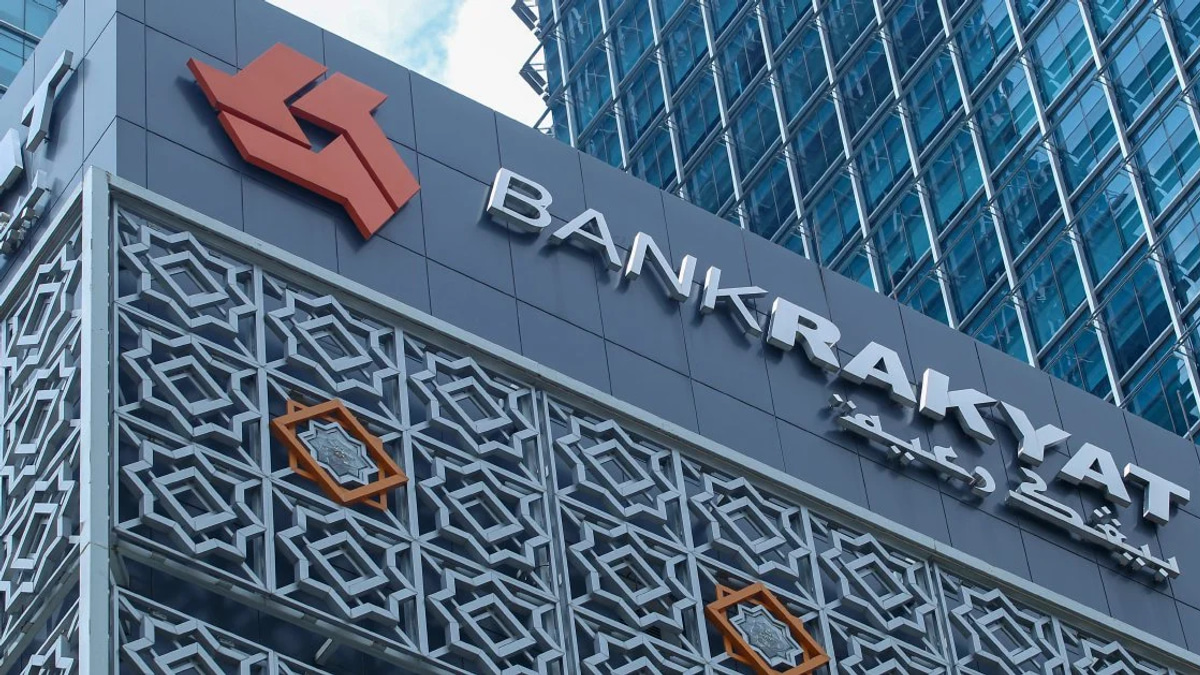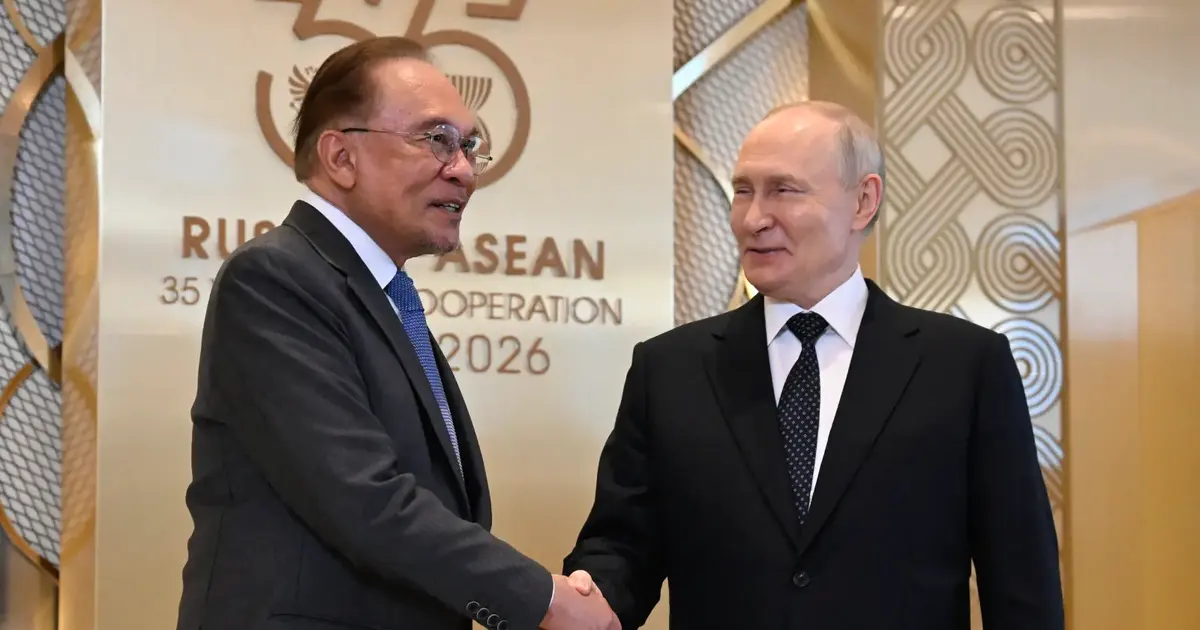
Prime Minister Anwar Ibrahim has obtained commitments from Russian President Vladimir Putin guaranteeing Malaysia stable supplies of crude oil and liquefied natural gas for the following twenty years, a development that underscores Kuala Lumpur's growing diplomatic engagement with major global energy producers beyond its traditional suppliers. The assurances represent a significant achievement in Malaysia's efforts to diversify its energy portfolio at a time when geopolitical tensions and supply chain disruptions continue reshaping international commodity markets.
Malaysia's energy security has long depended on a combination of domestic production, regional suppliers, and carefully balanced international partnerships. The Russian commitment provides Malaysia with a predictable long-term supply arrangement, offsetting uncertainties in global energy markets where prices and availability remain subject to political fluctuations and sanctions regimes. For a nation whose manufacturing and petrochemical sectors depend heavily on reliable hydrocarbon access, such guarantees carry substantial economic weight, potentially stabilizing production costs and enhancing competitiveness across energy-intensive industries.
Beyond energy cooperation, Anwar Ibrahim's ongoing diplomatic initiatives reflect Malaysia's broader strategy to expand commercial connections with major international markets. His visit to Turkmenistan forms part of a deliberate effort to strengthen trade relationships with Central Asian nations, positioning Malaysia as a strategic commercial partner in an increasingly multipolar global economy. These engagements signal Malaysia's determination to cultivate diverse economic partnerships rather than relying on traditional regional arrangements alone.
The Turkmenistan leg of the Prime Minister's diplomatic tour holds particular significance for Malaysian exporters seeking access to fast-growing markets in East Asia. China, Japan, and South Korea represent three of the world's largest and most dynamic economies, commanding immense purchasing power across manufacturing, technology, and consumer sectors. By fostering stronger connections through Central Asian hubs, Malaysia aims to enhance its competitive positioning in supply chains that feed these crucial markets, particularly in petrochemicals, electronics components, and palm-based products.
China's continued economic expansion, despite recent slowdowns, maintains its status as a voracious consumer of energy resources and industrial inputs. Japan's advanced manufacturing base creates sustained demand for specialized materials and components. South Korea's technology and automotive sectors similarly depend on reliable sourcing of raw materials and intermediate goods. Malaysia's strategic location and established supply networks position it advantageously to serve these markets, provided logistics and trade relationships remain robust.
Turkmenistan's role as a major natural gas producer gives it significant leverage in Central Asian geopolitics and energy diplomacy. By engaging with Turkmenistan's leadership, Anwar Ibrahim signals Malaysia's interest in understanding energy market dynamics across multiple regions and potentially accessing new trade corridors. The Central Asian nation serves as a transit point and economic hub where Malaysian businesses might establish footholds for deeper market penetration across the broader Eurasian region.
Malaysia's diversification strategy reflects lessons learned from past experiences with supply disruptions and price volatility. The nation's previous heavy reliance on a limited number of suppliers created vulnerabilities that policymakers have sought to remedy through deliberate relationship-building with multiple major producers. Russia's twenty-year commitment, when combined with existing arrangements and new partnerships being developed, creates a more resilient supply ecosystem capable of weathering temporary disruptions or geopolitical complications affecting any single source.
The timing of these arrangements coincides with global energy market transitions driven by climate considerations and renewable energy investments. Securing long-term hydrocarbon supplies now provides Malaysia with stable energy access during what remains a prolonged fossil fuel era, even as the nation gradually incorporates renewable energy capacity into its power generation mix. This balanced approach acknowledges both immediate economic realities and longer-term sustainability objectives.
From a geopolitical perspective, Malaysia's outreach demonstrates its commitment to maintaining pragmatic relationships across the international system. Despite regional alignments and global power competition, Kuala Lumpur continues pursuing bilateral arrangements based on mutual economic benefit, a posture consistent with Malaysia's historical foreign policy orientation. Such engagement enhances Malaysia's diplomatic influence and demonstrates that medium-sized nations can successfully navigate great power competition by cultivating multiple partnerships simultaneously.
The commercial implications for Malaysian businesses are substantial. Exporters targeting Chinese, Japanese, and South Korean markets benefit from government-level relationship-building that smooths regulatory pathways and builds confidence among foreign purchasers. When senior officials emphasize bilateral trade development and energy cooperation, they create political will to remove barriers and facilitate transactions that might otherwise face bureaucratic obstacles.
Energy costs directly influence Malaysia's manufacturing competitiveness, affecting everything from cement production to semiconductor manufacturing. Stable, predictable energy pricing enabled by long-term supply commitments reduces business planning uncertainty and encourages capital investment in new facilities and technology upgrades. Companies operating in Malaysia can offer customers greater pricing certainty when they know their input costs will remain stable.
The diplomatic initiatives also signal Malaysia's independence in foreign policy decision-making. By engaging directly with Russia, Turkmenistan, and major Asian markets, Anwar Ibrahim demonstrates that Malaysian policy prioritizes national economic interests above pressure to align exclusively with any particular geopolitical bloc. This pragmatic approach has historically served Malaysia well, allowing the nation to benefit from multiple partnerships without sacrificing sovereignty or becoming a proxy in others' strategic competitions.
Looking forward, the success of these arrangements depends on consistent implementation and the maintenance of political will in Moscow and Ankara to honor commitments despite changing international circumstances. Malaysia must also continue investing in port infrastructure, refining capacity, and distribution networks to maximize benefits from enhanced energy access. The combination of secured energy supplies and expanded export opportunities creates a foundation for sustained economic growth across the coming two decades.
%22%2F%3E%3C%2Fpattern%3E%3C%2Fdefs%3E%3Crect%20width%3D%22100%25%22%20height%3D%22100%25%22%20fill%3D%22url(%23phaey7g)%22%2F%3E%3Crect%20width%3D%22100%25%22%20height%3D%22100%25%22%20fill%3D%22url(%23phaey7p)%22%2F%3E%3Ctext%20x%3D%2250%25%22%20y%3D%2250%25%22%20text-anchor%3D%22middle%22%20dominant-baseline%3D%22central%22%20fill%3D%22rgba(255%2C255%2C255%2C0.95)%22%20font-family%3D%22Georgia%2C%20'Times%20New%20Roman'%2C%20serif%22%20font-weight%3D%22700%22%20font-size%3D%22170%22%20letter-spacing%3D%22-0.02em%22%3EKelantan%3C%2Ftext%3E%3C%2Fsvg%3E)