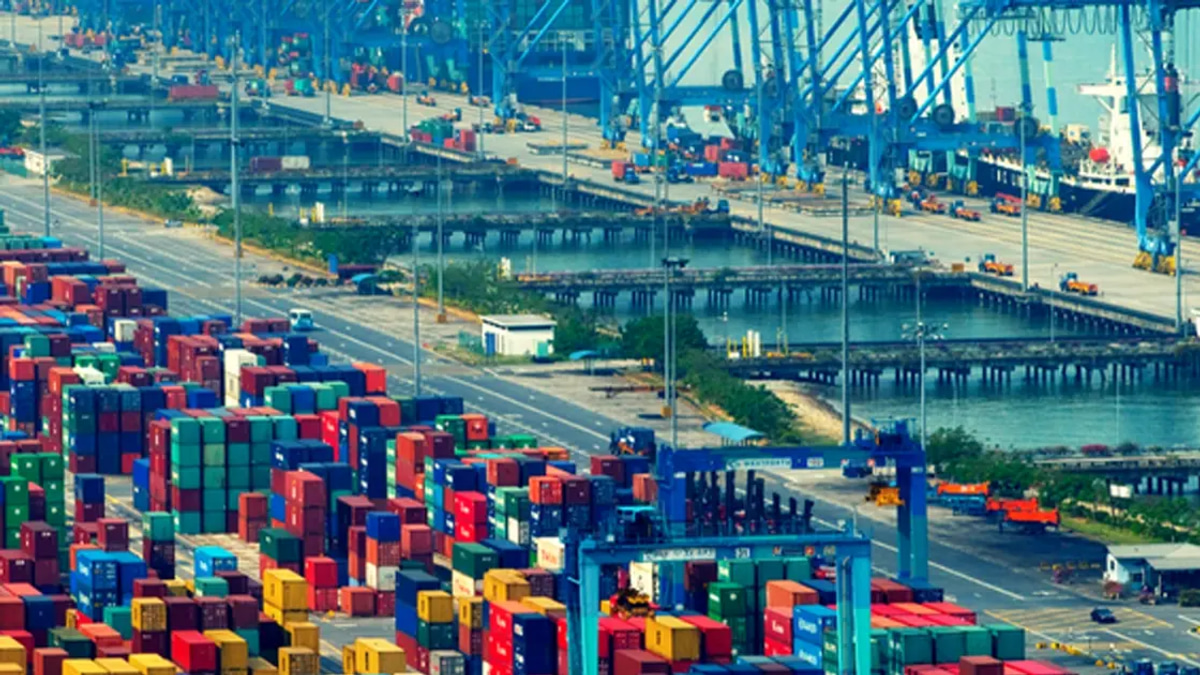
Malaysia's ambitious expansion of Port Klang is reaching a critical juncture as authorities grapple with settling overlapping land claims before breaking ground on the facility. The Third Terminal project on Carey Island in Selangor represents a significant infrastructure undertaking designed to bolster the nation's standing in regional shipping and logistics, but progress hinges on resolving underlying property disputes that have complicated the initiative from its inception.
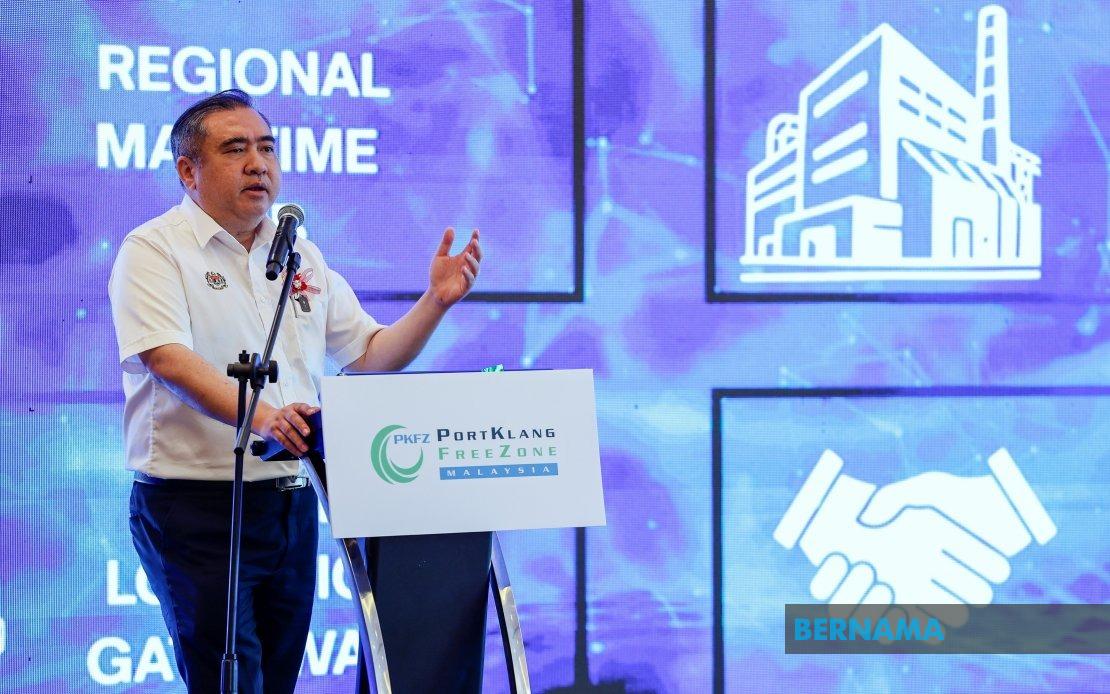
Transport Minister Anthony Loke outlined the current status of negotiations, indicating that the Transport Ministry, Selangor State Government, and private sector partners are jointly exploring viable frameworks to move the development forward. The arrangement under consideration adopts a concession model, with the eventual execution structured as a Build-Operate-Transfer scheme that would eventually return the facility to government ownership. While officials harbour ambitions to commence construction during the current year, they have acknowledged that clarifying land ownership and usage rights must take precedence over construction timelines.
The land question is multifaceted, involving territory managed by multiple stakeholders. Selangor Menteri Besar Datuk Seri Amirudin Shari previously disclosed that the government has earmarked 1,699.68 hectares across Pulau Carey in Kuala Langat for port development. This allocation comprises 1,011.71 hectares of seabed territory managed by the Selangor State Development Corporation (PKNS), alongside 687.96 hectares of coastal land under Yayasan Selangor's stewardship. Coordinating between these entities, each with distinct governance structures and fiduciary obligations, presents organisational complexity that extends beyond conventional land acquisition.
Prime Minister Datuk Seri Anwar Ibrahim has previously instructed relevant agencies to accelerate progress, underlining the strategic importance attached to the initiative at the highest political level. The project carries implications for Malaysia's economic positioning in Southeast Asia's competitive shipping environment, particularly as regional rivals such as Singapore and Thailand continue investing in port infrastructure. Port Klang's existing facilities have approached capacity constraints, making additional terminal capacity essential for accommodating projected cargo growth and maintaining the port's relevance as a primary transshipment hub.
The timeline for resolving land matters remains uncertain, though officials have prioritised the administrative process. The concession model being explored introduces private sector expertise and capital, potentially addressing some financial pressures while distributing project risk. However, integrating private operators into what remains ultimately a state asset requires careful negotiation regarding commercial rights, regulatory oversight, and long-term government interests. These negotiations typically extend beyond simple land transfer discussions to encompass tariff structures, berth allocation, and operational standards.
Parallel developments suggest infrastructure enthusiasm extends across multiple port-related initiatives. Recent ceremonies marked expansion investments totalling RM566 million in Port Klang Free Zone facilities, including new labour quarters, manufacturing installations, and industrial park enhancements. These complementary projects indicate that stakeholders view Port Klang's development trajectory positively, though the Third Terminal represents a substantially more complex undertaking requiring coordination between government layers and private partners.
The labour dimension of port development has also attracted governmental attention. A memorandum of understanding signed between Port Klang Free Zone operators and Perhebat (Armed Forces Ex-Servicemen's Affairs Corporation) seeks to mobilise retired military personnel to address skill shortages in the port and logistics sector. This initiative reflects recognition that infrastructure expansion requires adequate workforce capacity, particularly for specialised roles in equipment operation and facility management. The government has additionally introduced programmes enabling military retirees to obtain heavy vehicle driving licences, directly addressing persistent shortages in the haulage industry that constrain logistics efficiency throughout Malaysia.
From a regional perspective, Port Klang's development carries implications for ASEAN logistics networks. Malaysian ports compete directly with facilities in Singapore, Thailand, and Vietnam for transshipment cargo and regional distribution functions. A modernised, expanded Port Klang with contemporary terminal infrastructure could strengthen Malaysia's competitive positioning and generate additional revenue through port charges, stevedoring services, and associated economic activity. The Third Terminal's eventual capacity would enhance the port's ability to handle mega-container vessels that increasingly dominate intercontinental trade routes.
The concession model under consideration reflects contemporary infrastructure development philosophy in Malaysia, balancing public interest with private sector efficiency. Previous port and infrastructure concessions have demonstrated both advantages and complications, with outcomes varying based on contract design, regulatory oversight quality, and market conditions. Success of the Port Klang Third Terminal concession will depend partly on crafting arrangements that attract capable private operators while protecting government revenue streams and maintaining public benefit provisions.
For Malaysian importers and exporters, the Third Terminal promises eventual relief from capacity constraints that have occasionally resulted in higher port charges and vessel queuing. Enhanced container-handling capacity would theoretically improve logistics cost-competitiveness for domestic industries competing internationally. Small and medium enterprises particularly stand to benefit from improved port infrastructure reducing their supply chain costs and delivery timeframes, though realisation depends on achieving functional operational efficiency and competitive pricing once the facility enters service.
The timeline for achieving land settlement remains uncertain, though political commitment appears consistent across government levels. Resolving disputes involving state corporations and religious foundations requires consensus-building that cannot be rushed without risking implementation problems downstream. Officials have indicated that despite construction aspirations for the current year, the foundational land questions demand resolution first, suggesting realistic commencement remains contingent on administrative progress that may extend beyond initial targets. This methodical approach, while potentially frustrating to project advocates, reflects understanding that inadequately resolved property rights create operational vulnerabilities that could jeopardise the investment's long-term viability.