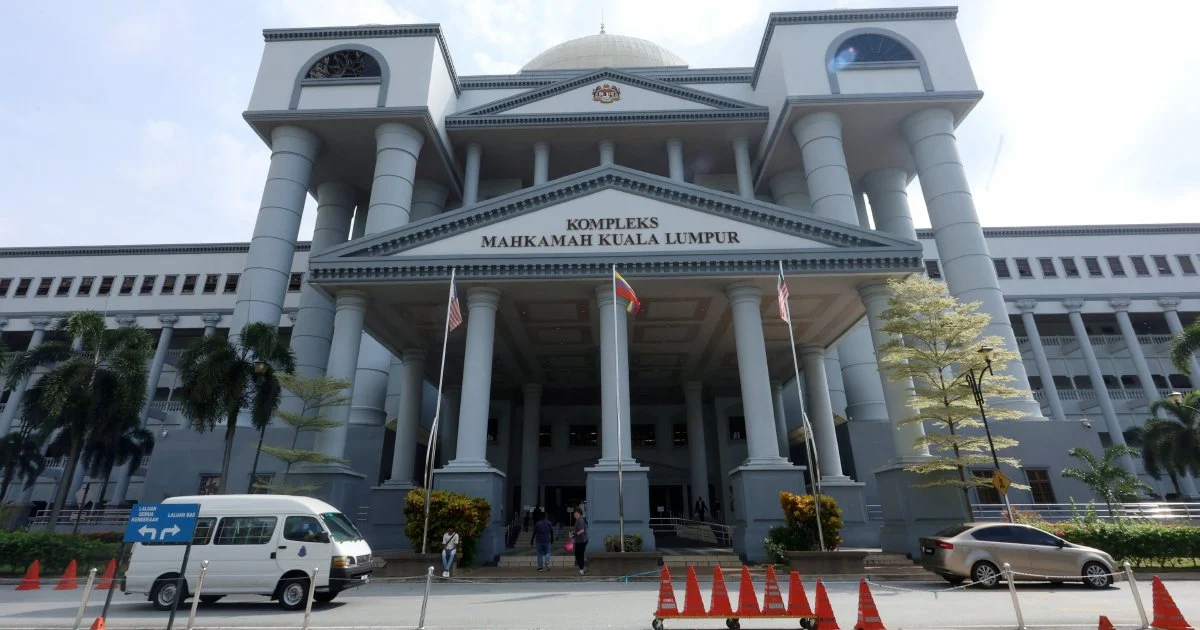
A top executive at a statutory body will be arraigned in the Sessions Court on graft charges relating to what authorities allege is a scheme to extort bribes linked to sports facility development. The chief executive officer faces seven counts of corruption, with prosecutors claiming the executive solicited and pocketed more than RM1 million in illicit payments. The case represents a significant development in Malaysia's ongoing anti-corruption efforts, which have intensified scrutiny of high-ranking officials managing public institutions and overseeing substantial capital investments.
Corruption involving senior management at statutory bodies carries particular significance for Malaysia's governance landscape, as these organisations control billions in public funds and play crucial roles in national development priorities. When leaders of such institutions are implicated in bribery schemes, it raises broader questions about the effectiveness of internal controls, oversight mechanisms, and accountability frameworks designed to prevent misconduct. The scale of the alleged bribes—exceeding RM1 million—suggests this was not opportunistic wrongdoing but rather a systematic arrangement that persisted long enough to accumulate substantial sums.
The specific focus on sports facility projects points to a vulnerability in how infrastructure contracts are managed and awarded. Sports facilities represent important components of urban and community development, yet they frequently become targets for corrupt practices because the value propositions can be inflated, competing bids are sometimes limited, and political influence often shapes project selection. The alleged conduct indicates that someone with authority over these decisions may have leveraged that power to extract payments from contractors or developers seeking access to lucrative opportunities.
For Malaysian readers, such cases underscore the ongoing challenge of rooting out entrenched corruption despite legislative reforms and institutional reorganisation. Malaysia has implemented numerous anti-corruption measures in recent years, including establishment of the Malaysian Anti-Corruption Commission and adoption of stricter compliance requirements. Yet cases involving statutory body executives suggest that enforcement remains uneven and that senior positions continue to attract individuals willing to exploit their access to decision-making power and public resources.
The regional context matters as well. Across Southeast Asia, statutory bodies managing infrastructure and sports investments have been flashpoints for corruption allegations. Comparable cases in neighbouring countries demonstrate that this vulnerability is systemic rather than unique to Malaysia. However, Malaysia's stronger enforcement record compared to some regional peers suggests that institutional capacity to detect and prosecute such misconduct is gradually improving, even if it remains inconsistently applied.
The seven separate charges indicate that prosecutors have gathered sufficient evidence to document multiple instances of alleged bribery rather than treating this as a single criminal transaction. This approach typically reflects a pattern of conduct spanning different projects or separate occasions, each meeting the statutory elements of the corruption offence. The decision to charge multiple counts reflects prosecutorial confidence in the evidence while also carrying implications for sentencing if conviction occurs, since Malaysian courts may impose penalties concurrently or consecutively.
Statutory bodies occupy a unique position in Malaysia's governance structure, enjoying operational autonomy while remaining accountable to government ministries and parliament. This arrangement creates potential accountability gaps if oversight becomes lax or if cultural factors within the institution normalise irregular practices. When senior executives exploit this space to solicit bribes, it damages not only the specific institution but public trust in the entire statutory body framework, which manages everything from healthcare to higher education to sports and recreation.
The implications for Malaysian business extend beyond the immediate case. Contractors and developers who may have felt compelled to make payments to access opportunities face potential liability as well, depending on what evidence prosecutors have gathered. This creates a cautionary tale about the intersection of corruption with competitive tendering processes, particularly where informal arrangements may have displaced transparent, rule-based procurement.
Looking ahead, the trial will likely illuminate the mechanisms through which the alleged bribery occurred—whether through direct demands from the executive, involvement of intermediaries, or exploitation of perceived expectations within a corrupt environment. The courts' handling of this case will signal Malaysia's commitment to holding senior public officials accountable, which remains essential for maintaining confidence in institutions that manage substantial public investments. The conviction or acquittal will also shape how future investigations into statutory body corruption are pursued and how internal controls within these organisations are reformed.