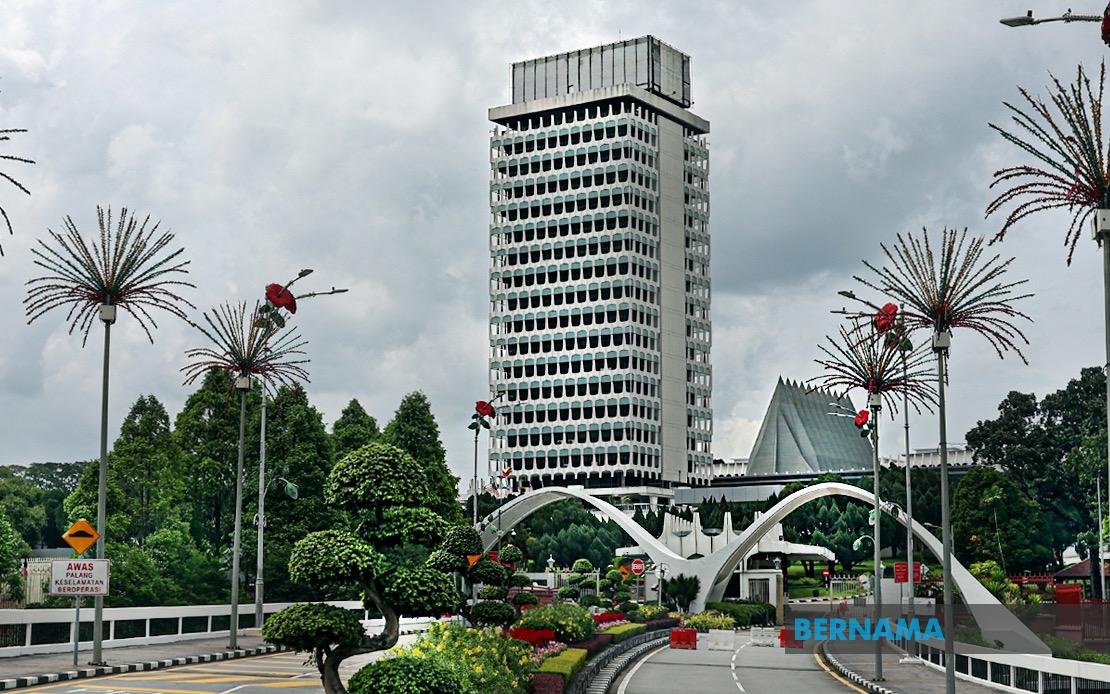
Malaysia's Parliament convened on June 22 to tackle several pressing economic and governance challenges that directly affect the nation's growth prospects and citizens' welfare. Foremost among these is the potential economic toll of shipping disruptions through the Strait of Hormuz, a critical chokepoint through which roughly one-third of global seaborne oil passes annually and which carries profound implications for regional supply chains and domestic price stability.
Datuk Dr Richard Rapu @ Aman anak Begri from GPS-Betong raised the concern by directing questions to the Economy Minister about current assessments of how Strait of Hormuz disruptions ripple through Malaysian industries. His inquiry specifically targeted operating costs for businesses and their cascading effect on the national inflation rate for the second quarter of 2026. The volatility in this strategically vital waterway has become a source of uncertainty for manufacturers and exporters across Southeast Asia, as any extended closure or reduced capacity forces companies to reroute shipments at considerably higher expense or seek alternative suppliers. For Malaysia, an economy heavily reliant on trade and with substantial energy imports, such disruptions threaten to undermine competitiveness and erode consumer purchasing power.
The lawmaker also pressed the government on contingency frameworks embedded within the 13th Malaysia Plan to maintain the Gross Domestic Product growth trajectory should a prolonged global economic downturn materialize. This question reflects wider anxiety about external economic shocks and whether Malaysia possesses adequate policy buffers to absorb such pressures. The 13MP represents the government's medium-term development roadmap, and clarifying how it accounts for geopolitical risks signals the seriousness with which policymakers view tail-risk scenarios.
Parallel to economic concerns, Parliament took up the matter of strengthening Malaysia's haj management framework ahead of the 2027 pilgrimage season. Onn Abu Bakar from PH-Batu Pahat posed questions to the Prime Minister addressing three critical dimensions: the cost structure for Malaysian pilgrims, the often-lengthy waiting periods that accumulate thousands of applicants, and the health and welfare safeguards during the journey and stay in Saudi Arabia. The haj is a once-in-a-lifetime obligation for observant Muslims, and Malaysia manages one of the world's largest hajj contingents annually. Previous years have witnessed logistical strains, health concerns, and rising costs that burden families saving for years to fulfill this religious duty. Any systematic improvements could substantially enhance the experience for hundreds of thousands of Malaysians.
On the technological front, Wong Shu Qi from PH-Kluang focused parliamentary scrutiny on artificial intelligence governance. She questioned the Digital Minister on whether the AI Governance Bill currently under drafting will contain explicit provisions against misuse of AI technologies—particularly the creation of deepfake child sexual exploitation material, identity spoofing scams, and the non-consensual distribution of explicit content. These are emerging harms that regulators worldwide scramble to address as AI capabilities expand. Malaysia's approach to defining and penalizing such conduct will shape how the nation navigates the digital economy and protects vulnerable populations from novel forms of abuse.
Food security emerged as another focal point when Datuk Dr Radzi Jidin from PN-Putrajaya sought details from the Agriculture and Food Security Minister on intervention measures—both implemented and planned—to shield Malaysia from food supply shocks caused by the Middle East conflict. Geopolitical instability in a region that supplies agricultural products, fertilizers, and other inputs to Asia creates genuine anxiety for a nation importing a significant share of its food. The government's layered approach across short-term mitigation, medium-term adaptation, and long-term structural resilience will indicate how seriously it treats this vulnerability.
The parliamentary agenda also included tabling of the Cybercrime Bill 2026 and the Road Transport Act (Amendment) Bill 1987, each addressing distinct but important areas of governance. The cybercrime legislation modernizes Malaysia's digital security framework at a moment when cyber threats escalate in sophistication and frequency. Amendments to road transport law suggest ongoing efforts to refine traffic governance and potentially enhance road safety standards.
The Dewan Rakyat's 16-day sitting, scheduled to conclude on July 16, provided lawmakers ample opportunity to probe government positions on these interconnected challenges. The session's opening reflects how contemporary governance demands simultaneous attention to supply-chain vulnerabilities, digital-age risks, demographic needs, and geopolitical contingencies. For Malaysian businesses monitoring the Strait of Hormuz closely and citizens concerned with inflation, artificial intelligence ethics, pilgrimage affordability, and food price stability, the parliamentary debate offered an important window into official thinking and commitment to proactive policy responses.
%22%2F%3E%3C%2Fpattern%3E%3C%2Fdefs%3E%3Crect%20width%3D%22100%25%22%20height%3D%22100%25%22%20fill%3D%22url(%23ph154msg)%22%2F%3E%3Crect%20width%3D%22100%25%22%20height%3D%22100%25%22%20fill%3D%22url(%23ph154msp)%22%2F%3E%3Ctext%20x%3D%2250%25%22%20y%3D%2250%25%22%20text-anchor%3D%22middle%22%20dominant-baseline%3D%22central%22%20fill%3D%22rgba(255%2C255%2C255%2C0.95)%22%20font-family%3D%22Georgia%2C%20'Times%20New%20Roman'%2C%20serif%22%20font-weight%3D%22700%22%20font-size%3D%22226%22%20letter-spacing%3D%22-0.02em%22%3EHannah%3C%2Ftext%3E%3C%2Fsvg%3E)