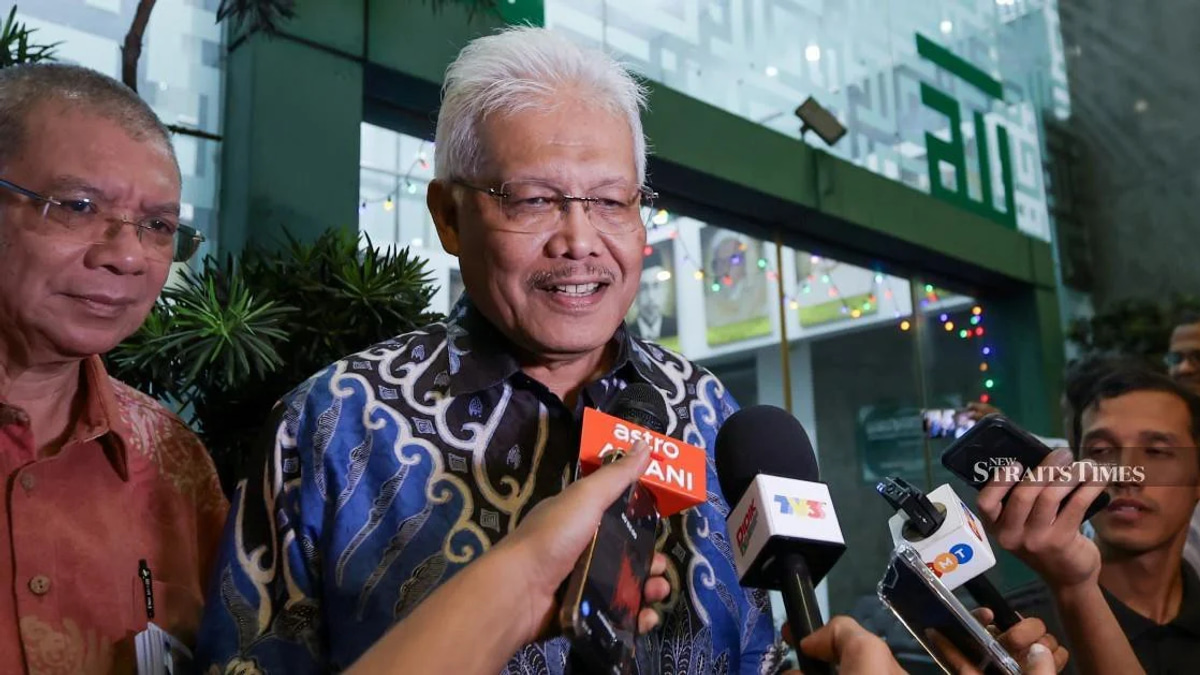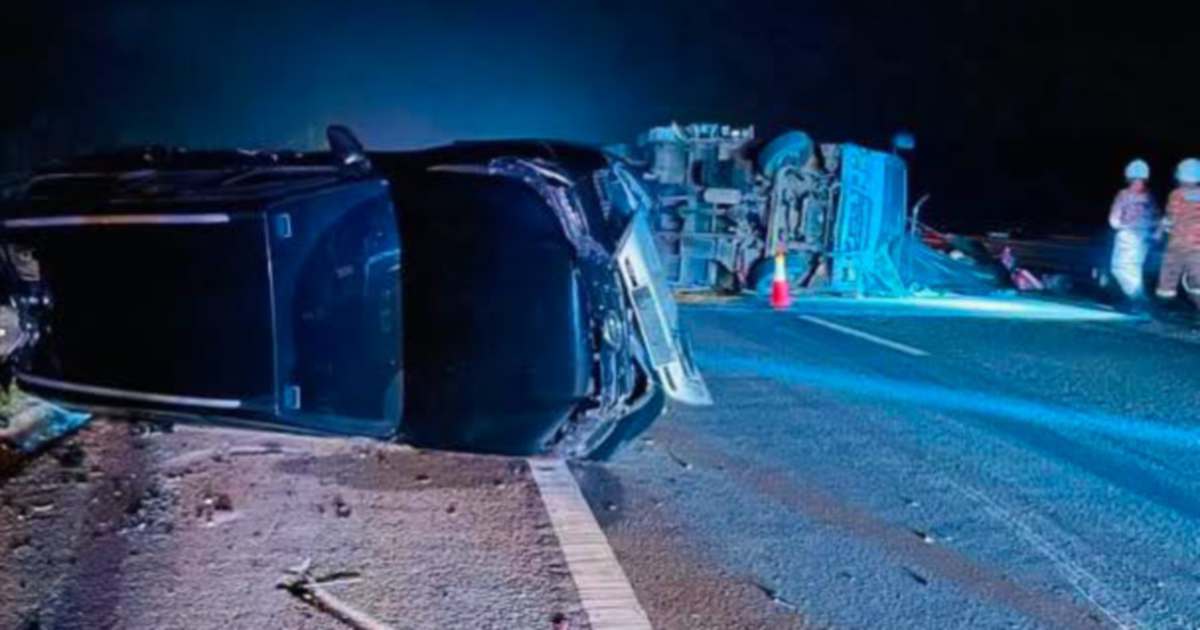
A traffic accident involving three vehicles on the East Coast Expressway near Maran resulted in injuries to seven people, including three media officers assigned to Deputy Prime Minister Datuk Seri Dr Ahmad Zahid Hamidi. The collision took place at kilometre 144 of the expressway during the early morning hours, prompting emergency response from local authorities.
The incident underscores the ongoing safety challenges on Malaysia's major expressway corridors, particularly during high-traffic periods. The East Coast Expressway, stretching across the peninsula's eastern region, has historically experienced congestion-related accidents at various points along its route. Morning commute times are frequently associated with increased vehicular volume, which can heighten collision risks if drivers fail to maintain appropriate safety distances or adjust their speeds according to traffic conditions.
Those injured in the accident included the three media officers attached to the Deputy Prime Minister's office, though preliminary reports suggested their injuries were not critical. The remaining four casualties were occupants of the other vehicles involved in the crash. Emergency medical personnel from nearby facilities responded swiftly to the scene, providing immediate treatment and transport to appropriate healthcare facilities for further assessment and care.
The East Coast Expressway serves as a vital transportation artery for Malaysia's eastern states, connecting Kuala Lumpur to destinations including Kuantan and other major towns. As a primary route for business travel, tourism, and regular commuter traffic, any accident on this corridor can have ripple effects on travel times and logistics operations throughout the region. Morning incidents are particularly disruptive as they often coincide with peak traffic periods, potentially causing delays for thousands of road users.
This accident highlights the importance of road safety awareness, particularly among drivers traversing long-distance expressway routes. Factors such as fatigue, inadequate vehicle spacing, sudden lane changes, and failure to account for varying traffic densities are common contributors to multi-vehicle collisions. Regulatory authorities continuously emphasize the need for motorists to remain vigilant, maintain proper speeds, and adhere to safe following distances regardless of the time of day.
The presence of media personnel among the casualties drew particular attention due to their professional roles. Media officers attached to high-ranking government officials frequently travel to various locations for official events, press conferences, and news coverage. Such mobility increases their exposure to road-related risks, underscoring the need for enhanced safety protocols during official travels and transport arrangements.
Investigations into the precise cause of the collision were expected to follow standard procedures involving traffic police and accident reconstruction specialists. Determining contributing factors such as visibility conditions, vehicle mechanical integrity, driver error, or external hazards would inform both insurance assessments and broader road safety recommendations. Such investigations often produce valuable insights that can inform public awareness campaigns and traffic safety initiatives.
The incident occurred during a period when Malaysian authorities have been intensifying road safety campaigns ahead of peak travel seasons. With the festive calendar approaching in subsequent months, expressways typically experience heightened traffic volumes. Events such as these serve as sobering reminders for both individual motorists and fleet operators to prioritize safety measures, vehicle maintenance, and driver training.
Local authorities at the Maran area, located in Pahang, managed the accident response and traffic flow management during the incident. Clearing the expressway of disabled vehicles and debris typically requires coordination between highway patrol units, emergency medical services, and traffic management teams to minimize disruption to other road users. Depending on the severity of vehicle damage and road surface conditions, full restoration of normal traffic flow can take several hours.
The Deputy Prime Minister's office would likely review protocols for official travel and media officer safety as a follow-up measure. Government agencies frequently reassess transport arrangements and safety procedures following incidents involving their personnel, implementing enhanced measures where necessary. Such internal reviews contribute to ongoing improvements in occupational safety standards for public sector employees.
For Malaysian road users, incidents like this reinforce the fundamental importance of defensive driving practices. Maintaining awareness of surrounding traffic, anticipating potential hazards, and adapting driving behaviour to prevailing road and weather conditions remain essential skills for accident prevention. The expressway system, while modern and well-maintained, still depends fundamentally on driver discipline and responsibility for maintaining safety standards.
As investigations progressed, authorities would provide updated information regarding the injured parties' conditions and the accident's underlying circumstances. Such transparency helps maintain public confidence in road safety management and encourages continued compliance with traffic regulations. The incident would likely feature in subsequent road safety advocacy efforts, serving as a practical case study illustrating real-world consequences of lapses in expressway safety protocols.
%22%2F%3E%3C%2Fpattern%3E%3C%2Fdefs%3E%3Crect%20width%3D%22100%25%22%20height%3D%22100%25%22%20fill%3D%22url(%23ph3sm85g)%22%2F%3E%3Crect%20width%3D%22100%25%22%20height%3D%22100%25%22%20fill%3D%22url(%23ph3sm85p)%22%2F%3E%3Ctext%20x%3D%2250%25%22%20y%3D%2250%25%22%20text-anchor%3D%22middle%22%20dominant-baseline%3D%22central%22%20fill%3D%22rgba(255%2C255%2C255%2C0.95)%22%20font-family%3D%22Georgia%2C%20'Times%20New%20Roman'%2C%20serif%22%20font-weight%3D%22700%22%20font-size%3D%22226%22%20letter-spacing%3D%22-0.02em%22%3ERussia%3C%2Ftext%3E%3C%2Fsvg%3E)