Four major regional powers have publicly backed a freshly signed agreement between the United States and Iran, viewing the accord as a meaningful breakthrough in reducing hostilities that have threatened stability across the Middle East and beyond. In a joint statement released on Sunday following diplomatic meetings in Cairo, the foreign ministers of Türkiye, Egypt, Pakistan and Saudi Arabia characterized the Islamabad Memorandum of Understanding as a constructive development that opens pathways toward resolving the underlying disputes driving tensions in West Asia.
The significance of this multilateral endorsement lies in the geopolitical weight these nations collectively carry. Each brings distinct perspectives shaped by their geography and interests: Türkiye as a NATO member bridging European and Asian concerns, Egypt as the Arab world's most populous nation anchoring the eastern Mediterranean, Pakistan as a crucial South Asian player with deep Islamic world ties, and Saudi Arabia as the region's dominant economic and religious power. Their unified messaging suggests that despite historical rivalries and divergent interests, a consensus exists that the current trajectory of US-Iranian hostility serves none of their strategic goals effectively.
The joint statement emphasized that the accord represents more than a bilateral achievement between Washington and Tehran. Rather, the four nations framed it as addressing interconnected regional challenges with global ripple effects. They pointed specifically to how escalating tensions have jeopardized energy security in volatile markets, disrupted vital shipping lanes through critical waterways, strained international supply chains already weakened by previous crises, and undermined the predictability needed for global commerce and investment flows. For Southeast Asian economies like Malaysia with substantial energy import dependencies and trade exposure to Persian Gulf routes, such destabilization carries direct consequences for domestic prosperity and inflation pressures.
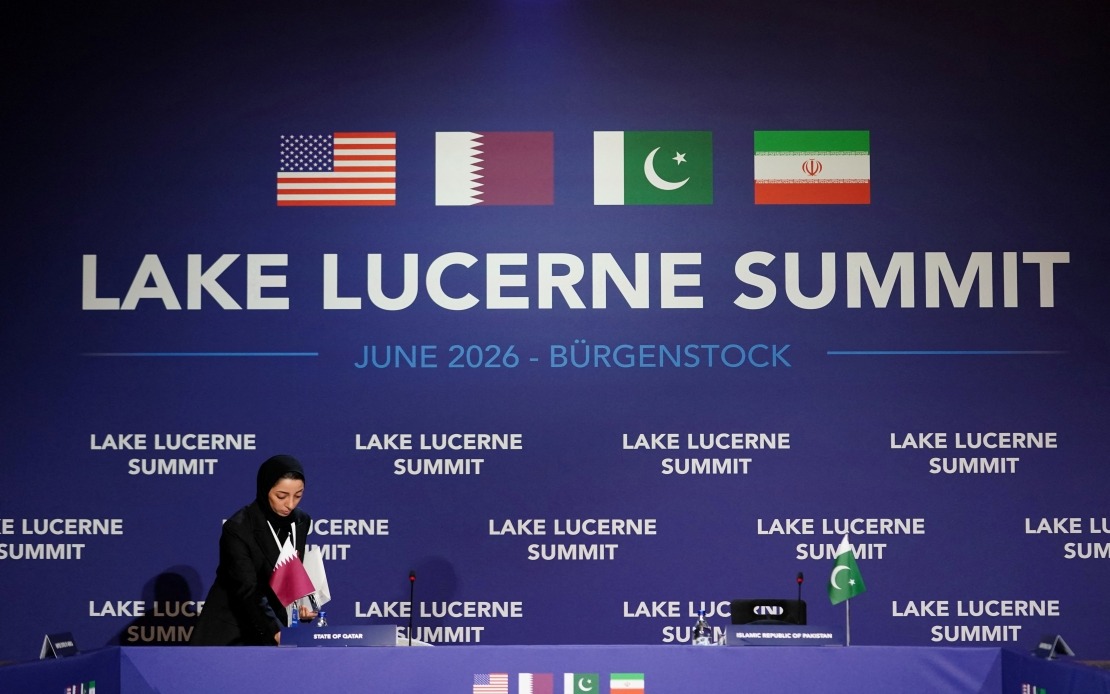
A particularly noteworthy aspect of the statement involves the recognition extended to Pakistan's central role in facilitating negotiations. Islamabad's willingness to host talks and provide diplomatic infrastructure reflects its longstanding position as a bridge-builder between Washington and Tehran, despite its own complex relationship with Iran regarding sectarian tensions and border security. The ministers also acknowledged Qatar's supporting contributions, underscoring how smaller but diplomatically active nations can shape major power outcomes when they provide neutral ground and mediation services.
However, the four nations used their joint platform to insert important caveats and conditions into their endorsement. They emphasized that moving forward requires rapid progression toward a comprehensive, long-term settlement that remains verifiable and mutually binding. This language reflects skepticism about interim agreements lacking enforcement mechanisms or durable foundations, given the history of failed understandings in this region. The ministers further insisted that any permanent resolution must explicitly account for the security anxieties of Gulf states, which have felt threatened by Iranian capabilities and ambitions, as well as Levantine nations concerned about spillover effects from regional proxy conflicts.
The statement's prominent treatment of the Israeli-Palestinian question reveals how regional actors view the Middle East peace architecture holistically. By linking the success of de-escalation efforts with progress on Palestinian statehood, these four nations articulated a position that unresolved conflict in one domain perpetuates instability across others. They reiterated support for establishing an independent Palestinian state based on 1967 borders with East Jerusalem as capital, in accordance with established United Nations resolutions that have long defined the baseline for international consensus on this dispute.
This multilateral intervention carries implications for how Southeast Asian countries should calibrate their own Middle East engagement. The statement demonstrates that nations geographically distant from the primary conflicts can still exercise diplomatic influence by coordinating positions and leveraging their relationships with all major parties. For Malaysia and its partners in ASEAN, this model suggests that coordinated regional statements on Middle Eastern crises, where the bloc has historic ties through the Organisation of Islamic Cooperation and trade relationships, might amplify Southeast Asian voices in global peace efforts.
The four-nation endorsement also signals to the international community that acceptance of any agreement extends beyond the direct parties and their traditional allies. When regional powers like Egypt and Saudi Arabia—neither typically characterized as automatic backers of Iranian interests—publicly welcome an accord, it lends legitimacy and suggests that pragmatic calculations about stability now outweigh ideological opposition. This shift reflects exhaustion with perpetual confrontation and recognition that military approaches have failed to achieve decisive outcomes.
Looking ahead, the success of this memorandum will likely depend on whether negotiators can translate current diplomatic momentum into substantive agreements addressing nuclear programs, sanctions regimes, regional proxy activities, and maritime security concerns simultaneously. The foreign ministers' call for swift movement to the next negotiating phase indicates awareness that political windows for progress can close rapidly if momentum stalls. Their emphasis on verifiability and mutual acceptability suggests they have internalized lessons from previous agreements that lacked credible monitoring mechanisms or balanced burden-sharing.