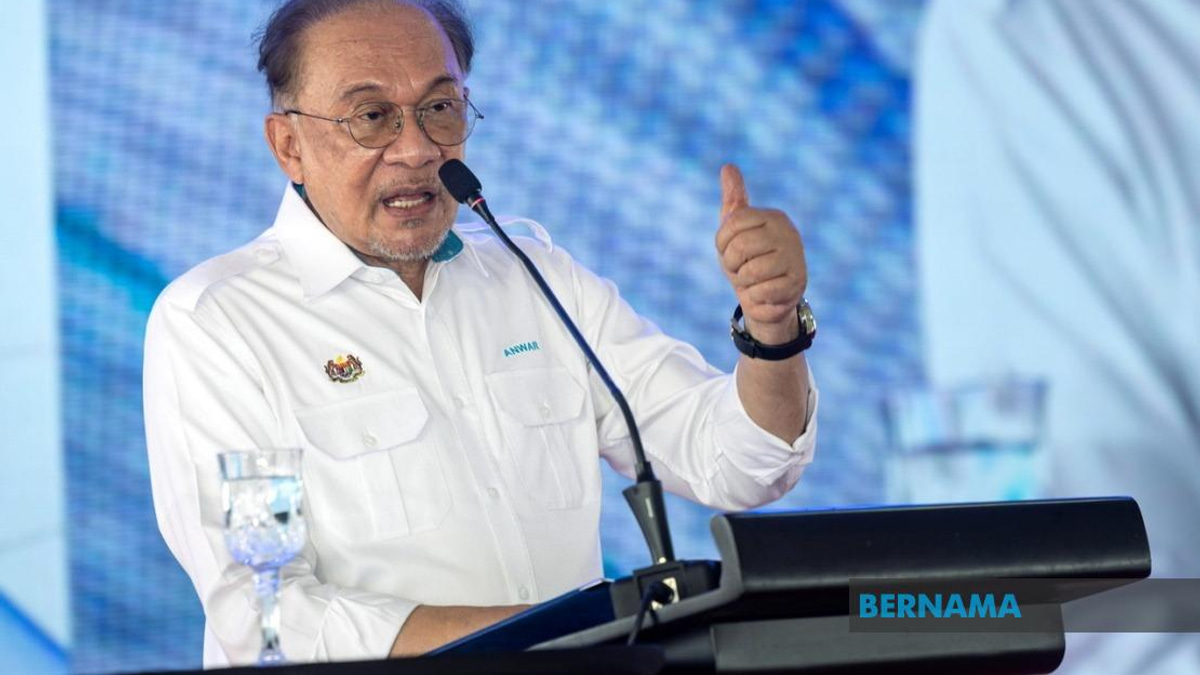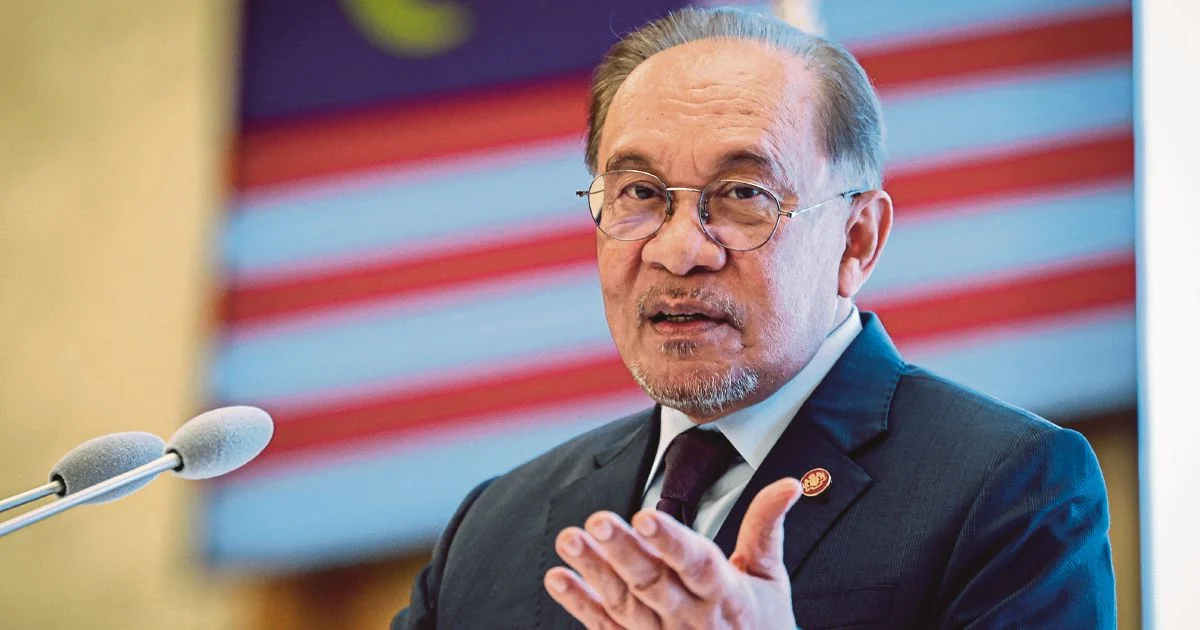
Prime Minister Datuk Seri Anwar Ibrahim has framed Petronas's successful bid for a stake in one of the world's largest gas fields in Turkmenistan as a powerful endorsement of Malaysia's standing on the international stage. The award, announced during his visit to Batu Kawan, carries symbolic weight beyond its commercial dimensions, suggesting that global investors and sovereign nations view the country as a reliable partner capable of managing complex, long-term energy infrastructure projects across borders. Anwar's remarks underscore how individual business wins have become proxy measures for assessing a nation's broader investment climate and geopolitical credibility.
The Turkmenistan gas development represents a significant expansion of Petronas's footprint in Central Asia, a region that has traditionally seen competition from European, Russian, and Chinese energy firms. By securing this stake, Malaysia's national oil and gas company signals its ability to compete at the highest levels of global energy markets, even in jurisdictions with complex political and regulatory frameworks. For Petronas, which has faced increasing pressure to demonstrate growth beyond its home market, this achievement validates its technical expertise and financial capacity to invest in mega-projects that require sustained capital commitment and operational excellence over decades.
Anwar's emphasis on stability and unity carries particular resonance given Malaysia's recent political turbulence. The country experienced a series of government transitions and coalition realignments between 2020 and 2022 that created uncertainty about policy consistency and governance continuity. Since taking office in late 2022, Anwar has prioritized messaging around national reconciliation and economic pragmatism, positioning his administration as fundamentally different from its predecessor. The Turkmenistan deal becomes part of a carefully constructed narrative that Malaysia has moved beyond internal divisions and is now positioned to attract and execute mega-investment projects with foreign partners.
Central Asian energy markets represent an increasingly important frontier for Malaysian companies seeking diversification beyond Southeast Asia and the Indian Ocean region. Turkmenistan holds proven natural gas reserves estimated at around 19 trillion cubic metres, making it one of the world's top gas-rich nations. However, the country has faced decades of export pipeline constraints, limiting its ability to monetize these resources efficiently. A partnership with Petronas could unlock new development potential and create pathways for Turkmen gas to reach international markets through pipelines that connect to Europe, Asia, and the Middle East. For Malaysia, such involvement provides exposure to one of the world's most significant untapped hydrocarbon provinces.
The geopolitical dimensions of this agreement warrant careful examination, particularly regarding energy security patterns in Central Asia and their broader implications for Southeast Asia. Turkmenistan has historically maintained a policy of neutrality and non-alignment, balancing relationships with Russia, China, and Western nations while jealously guarding its sovereign control over energy resources. The decision to award Petronas a significant stake signals Ashgabat's willingness to diversify its foreign partnerships beyond traditional players. This reflects a subtle shift in Central Asian energy diplomacy, where countries increasingly view Asian partners, particularly those from ASEAN nations, as neutral counterweights to Russian and Chinese influence.
For Malaysian investors and companies in the broader energy sector, the Petronas success story creates positive spillover effects. It demonstrates that Malaysian firms possess the technical sophistication, financial resources, and diplomatic networks necessary to operate in challenging international environments. This, in turn, may encourage other Malaysian conglomerates to pursue partnerships and investments in Central Asia and adjacent regions. The precedent established by Petronas could accelerate Malaysia's positioning as a preferred partner for energy infrastructure development across Eurasia, particularly among countries that value Southeast Asian nations' political neutrality and pragmatic business approaches.
The timing of this announcement coincides with Malaysia's broader efforts to position itself as a key player in Asian energy markets and global energy transitions. As the world gradually shifts toward renewable energy and lower-carbon solutions, companies like Petronas must secure new revenue streams from traditional hydrocarbon sources while simultaneously investing in cleaner technologies. Central Asian gas reserves, which are relatively cleaner than coal and can serve as transition fuels toward renewable energy systems, represent strategically valuable assets that align with both immediate financial needs and longer-term sustainability objectives.
Anwar's commentary also reflects deeper truths about how emerging-market governments use corporate achievements to bolster national confidence and signal improved governance to international audiences. In Malaysia's case, where questions about government effectiveness and policy consistency have occasionally surfaced during periods of political change, news of Petronas's major international win serves to reinforce narratives about institutional competence and economic continuity. The petroleum company's track record of successful international operations transcends government transitions, providing evidence that Malaysia's professional institutions maintain standards despite shifts in political leadership.
The Turkmenistan engagement also positions Malaysia favorably within broader Asian energy geopolitics. Southeast Asia increasingly views Central Asia not as a distant periphery but as an integral part of extended Asian energy networks. Pipeline projects, shipping corridors, and investment partnerships linking the two regions create new interdependencies and trading relationships that strengthen Asian economic cohesion. Malaysian participation in Central Asian energy development through Petronas enhances the country's diplomatic leverage within ASEAN and strengthens its credentials as a genuinely Asian power engaged across the continent's multiple subregions.
Looking forward, the success of the Petronas venture will likely influence how other Malaysian companies approach Central Asian opportunities. Engineering firms, construction companies, and financial service providers may find new avenues for growth as Petronas develops its Turkmenistan assets. The country's petroleum expertise and experience with complex offshore developments will be in high demand for projects in this region, creating cascading economic benefits across Malaysia's energy sector and related industries. This multiplier effect, if realized, could contribute meaningfully to Malaysia's economic diversification and export revenue growth in coming years.

%22%2F%3E%3C%2Fpattern%3E%3C%2Fdefs%3E%3Crect%20width%3D%22100%25%22%20height%3D%22100%25%22%20fill%3D%22url(%23ph49t16g)%22%2F%3E%3Crect%20width%3D%22100%25%22%20height%3D%22100%25%22%20fill%3D%22url(%23ph49t16p)%22%2F%3E%3Ctext%20x%3D%2250%25%22%20y%3D%2250%25%22%20text-anchor%3D%22middle%22%20dominant-baseline%3D%22central%22%20fill%3D%22rgba(255%2C255%2C255%2C0.95)%22%20font-family%3D%22Georgia%2C%20'Times%20New%20Roman'%2C%20serif%22%20font-weight%3D%22700%22%20font-size%3D%22272%22%20letter-spacing%3D%22-0.02em%22%3EAnwar%3C%2Ftext%3E%3C%2Fsvg%3E)