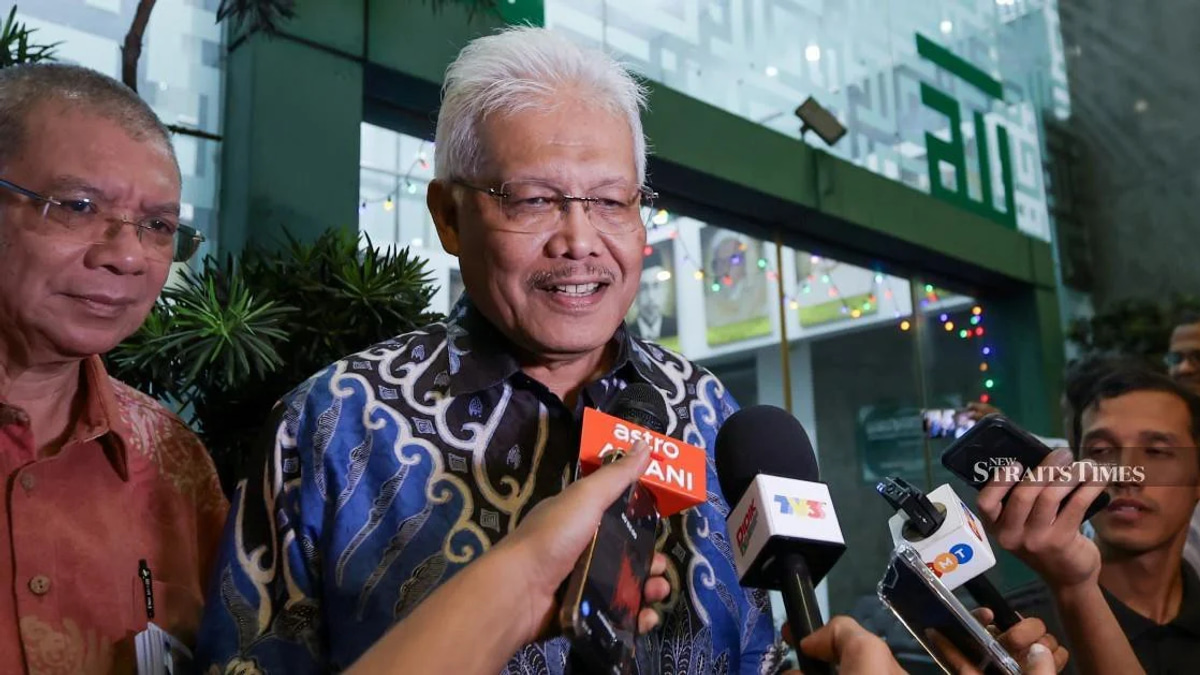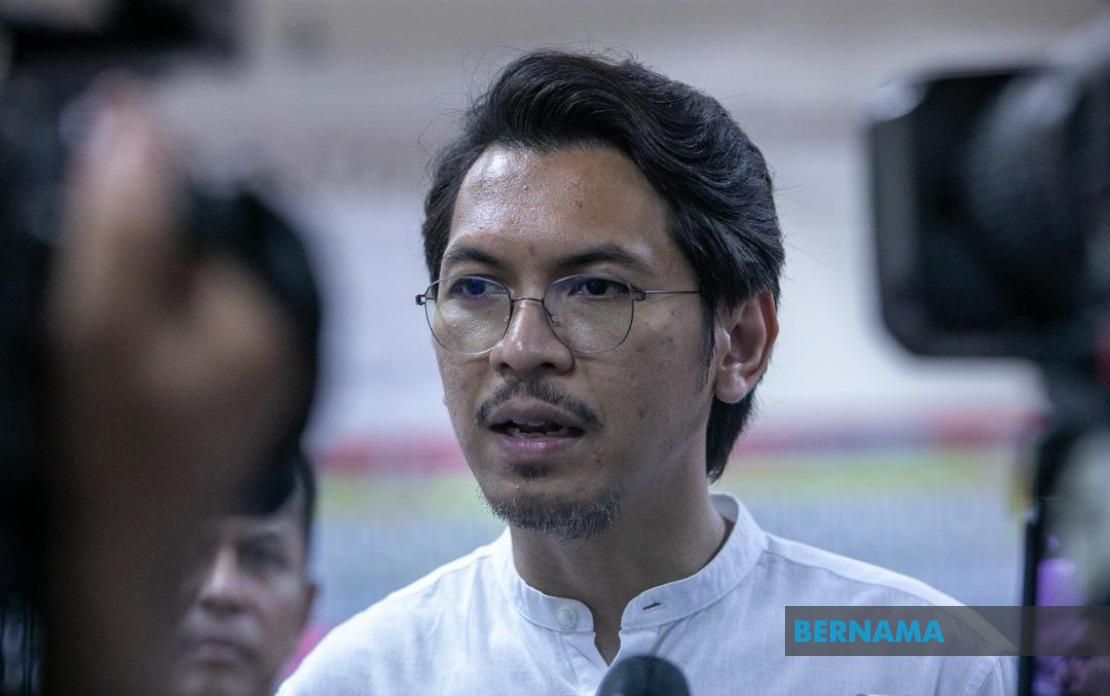
The anticipated peace agreement between the United States and Iran, formalised through a memorandum of understanding, is poised to bring relief to oil-dependent economies across the region, though Malaysian officials caution that the benefits will not materialise overnight. Muhammad Kamil Abdul Munim, Political Secretary to the Minister of Finance, outlined this measured outlook while addressing government officials and citizens in Perak, emphasising that although the accord represents a significant diplomatic breakthrough, the downstream effects on global energy markets will require patience and careful management.
The geopolitical tensions in the Middle East have disrupted maritime routes critical to international oil trade, particularly through the Strait of Hormuz, one of the world's most strategically important shipping channels. The normalisation of relations between Washington and Tehran through the peace agreement would theoretically restore safe passage for oil tankers and merchant vessels that have faced heightened risks during the period of escalated tensions. This restoration of shipping lanes carries profound implications not only for global energy security but also for Southeast Asian economies like Malaysia, which depend heavily on stable oil supply chains and predictable energy costs.
Muhammad Kamil acknowledged that while the peace agreement offers genuine promise for moderating oil prices, the transition will be gradual rather than instantaneous. Global energy markets operate with considerable momentum, and the psychological and logistical impacts of the recent crisis have added layers of complexity to the recovery process. Beyond the simple matter of reopened shipping routes, the costs incurred throughout the period of heightened tensions—including elevated insurance premiums, increased transportation expenses, and inflated logistics charges—will continue to weigh on the overall cost structure of oil delivery. These additional expenses accumulated during the crisis will persist in the market for some time, even as geopolitical risks decline.
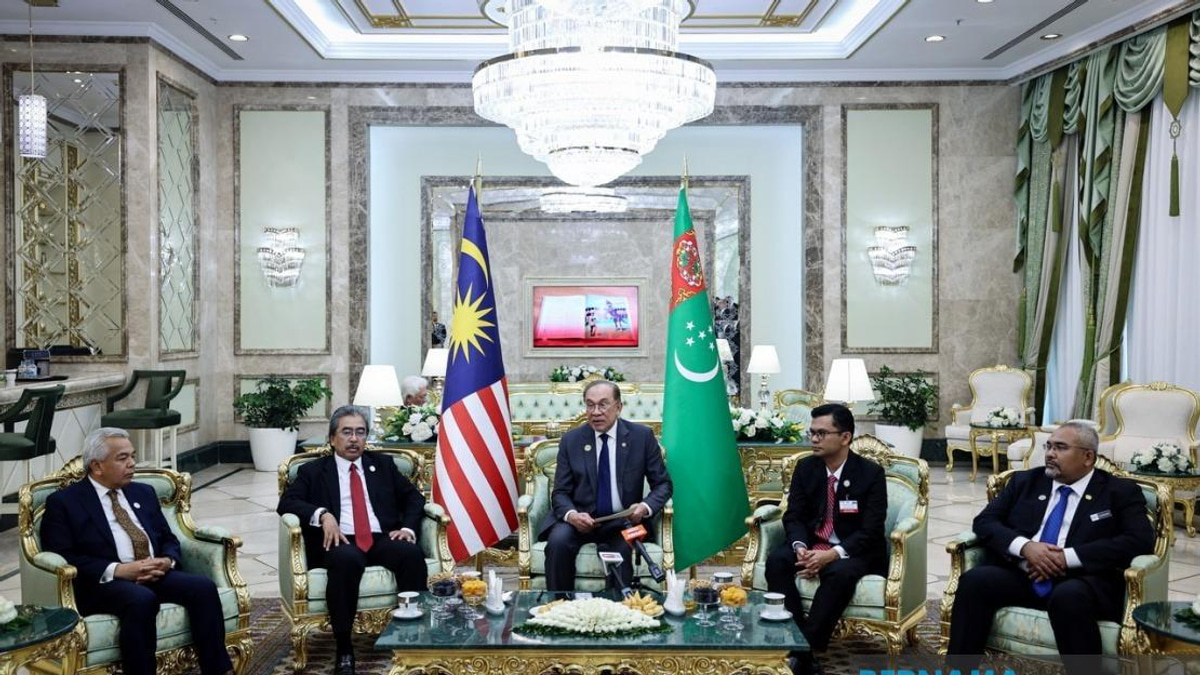
Prime Minister Datuk Seri Anwar Ibrahim had previously expressed cautious optimism regarding the diplomatic progress, noting that the two nations have established a 60-day window to finalise a comprehensive agreement following the initial memorandum of understanding. This timeline underscores the delicate nature of the negotiations; while the breakthrough represents genuine progress, the ultimate success of these efforts remains contingent on both parties meeting their commitments within the specified period. The conditional nature of the agreement means that any deviation from the negotiated framework could rapidly reverse the positive sentiment currently supporting energy markets.
Malaysia's position as a trading nation dependent on stable global commodities prices makes developments in Middle Eastern geopolitics directly relevant to domestic economic management. The government has already implemented several mechanisms to shield citizens from the worst impacts of energy price volatility. Most notably, the subsidised price of RON95 petrol has been maintained at RM1.99 per litre, a decision that protects household budgets and supports economic activity despite international price pressures. This commitment differs markedly from many comparable economies, which have allowed fuel prices to fluctuate more openly with global markets.
Beyond immediate price controls, the government is preparing contingency measures to safeguard purchasing power across multiple sectors. Muhammad Kamil indicated that through the Economic Action Council, Malaysian policymakers are evaluating the necessity of extended support measures over the next four to six months—the anticipated timeframe during which oil market stability will gradually be restored. This forward-looking approach recognises that even with a successful peace agreement, the transition from a crisis-affected market to normalcy will impose transitional costs that warrant government intervention to prevent inflation from eroding household incomes.
The BUDI MADANI RON95 initiative, which currently provides qualifying citizens with access to up to 200 litres of subsidised petrol monthly, represents another targeted intervention. Rather than implementing universal fuel price controls that benefit all consumers equally, this quota-based system directs support toward those most vulnerable to energy price shocks. Muhammad Kamil stated that the government will reassess the programme's parameters as global conditions evolve, potentially adjusting the monthly allowance upward or maintaining current levels depending on whether oil markets stabilise as expected or face further complications.
Separately, the Political Secretary emphasised that Malaysia's strategic relationship with Russia constitutes an important dimension of the government's broader energy security framework. Prime Minister Anwar Ibrahim's official visit to Moscow reflects recognition that a small trading nation must cultivate multiple sources of energy supply and diplomatic engagement to reduce vulnerability to any single geopolitical event. Russia's substantial economic capacity and energy resources make it a logical partner for diversification efforts, particularly as Malaysia seeks to enhance both bilateral trade relationships and security in energy sourcing.
The diversification strategy takes on heightened importance in light of ongoing Middle Eastern instability. By developing stronger energy partnerships with Russia and other producing nations outside the volatile Middle East region, Malaysia can reduce the systemic risk that disruptions in any single geographic area will severely constrain energy access or spike domestic prices beyond management. This approach aligns with Malaysia's broader positioning as a non-aligned nation that maintains pragmatic relationships across competing global powers.
The convergence of these factors—the potential oil price stabilisation from the US-Iran peace agreement, the government's domestic price support mechanisms, the targeted subsidy programmes, and the strategic energy diversification efforts—reflects a comprehensive approach to managing commodity price volatility. Malaysian policymakers appear to be preparing for multiple scenarios as international negotiations proceed, ensuring that even if diplomatic breakthroughs take longer than hoped, domestic economic stability can be maintained through policy tools and international partnerships.
Looking ahead, the success of the US-Iran peace agreement will be measured not merely by whether tensions diminish, but by whether such diminishment translates into tangible benefits for developing economies dependent on stable energy supplies. Malaysia's cautious optimism, coupled with proactive government measures, positions the nation to weather the transition period while positioning itself to benefit meaningfully once global oil markets achieve genuine stabilisation.
%22%2F%3E%3C%2Fpattern%3E%3C%2Fdefs%3E%3Crect%20width%3D%22100%25%22%20height%3D%22100%25%22%20fill%3D%22url(%23ph3sm85g)%22%2F%3E%3Crect%20width%3D%22100%25%22%20height%3D%22100%25%22%20fill%3D%22url(%23ph3sm85p)%22%2F%3E%3Ctext%20x%3D%2250%25%22%20y%3D%2250%25%22%20text-anchor%3D%22middle%22%20dominant-baseline%3D%22central%22%20fill%3D%22rgba(255%2C255%2C255%2C0.95)%22%20font-family%3D%22Georgia%2C%20'Times%20New%20Roman'%2C%20serif%22%20font-weight%3D%22700%22%20font-size%3D%22226%22%20letter-spacing%3D%22-0.02em%22%3ERussia%3C%2Ftext%3E%3C%2Fsvg%3E)