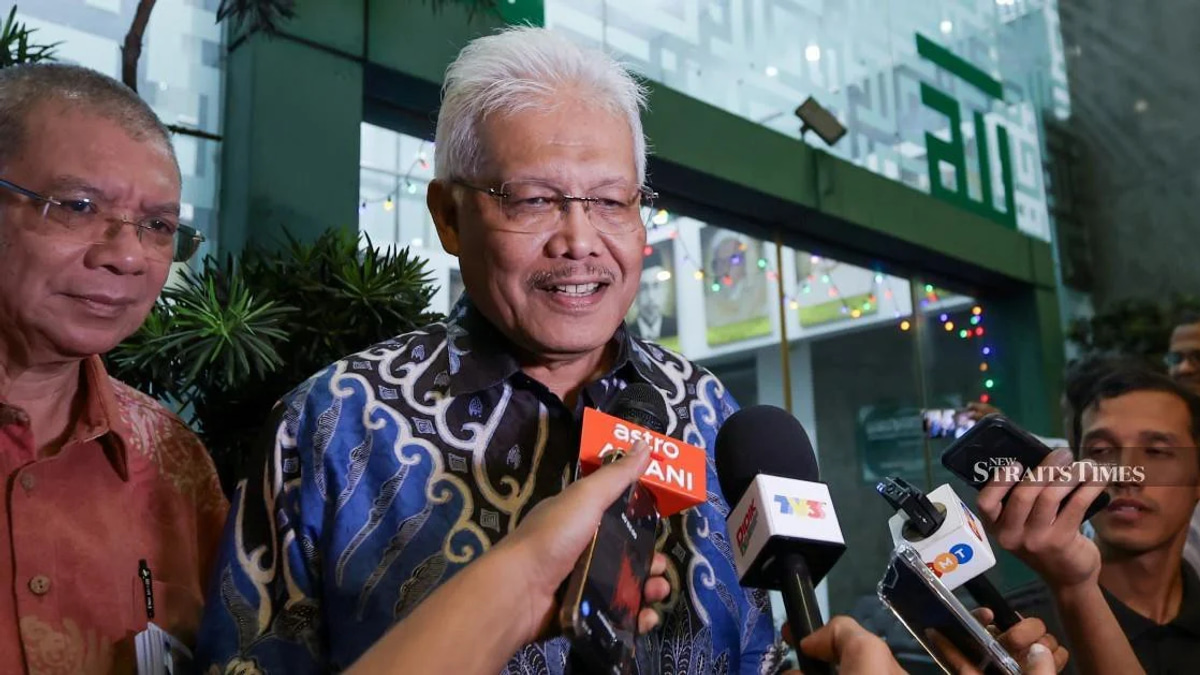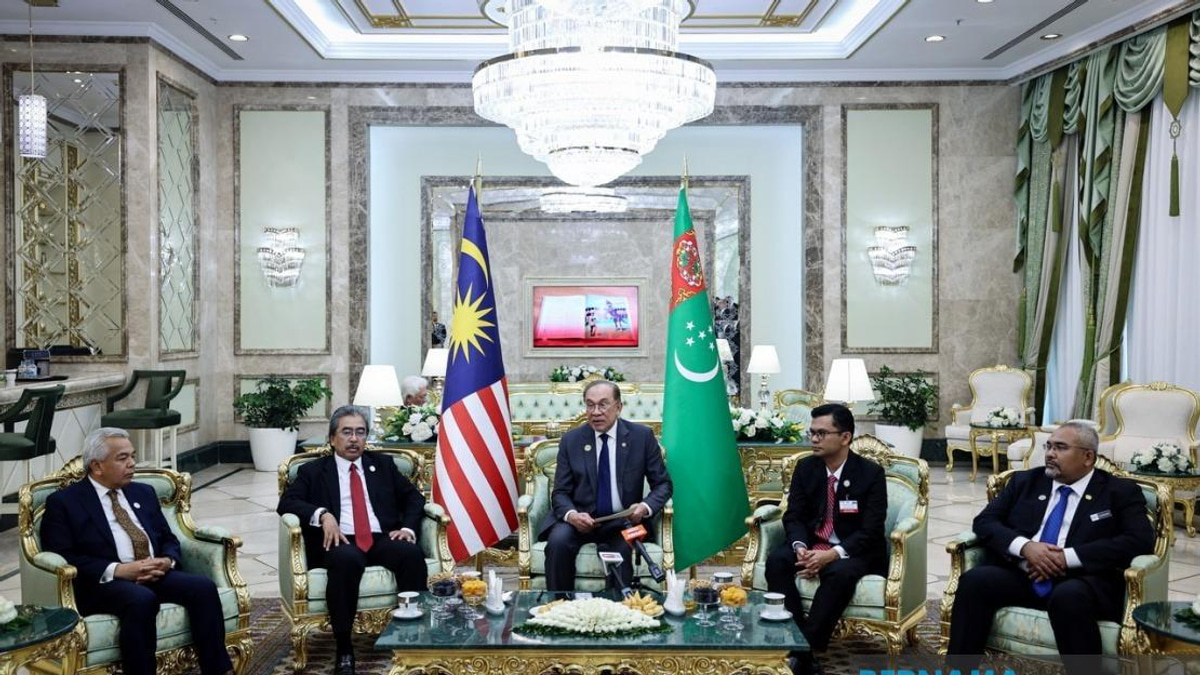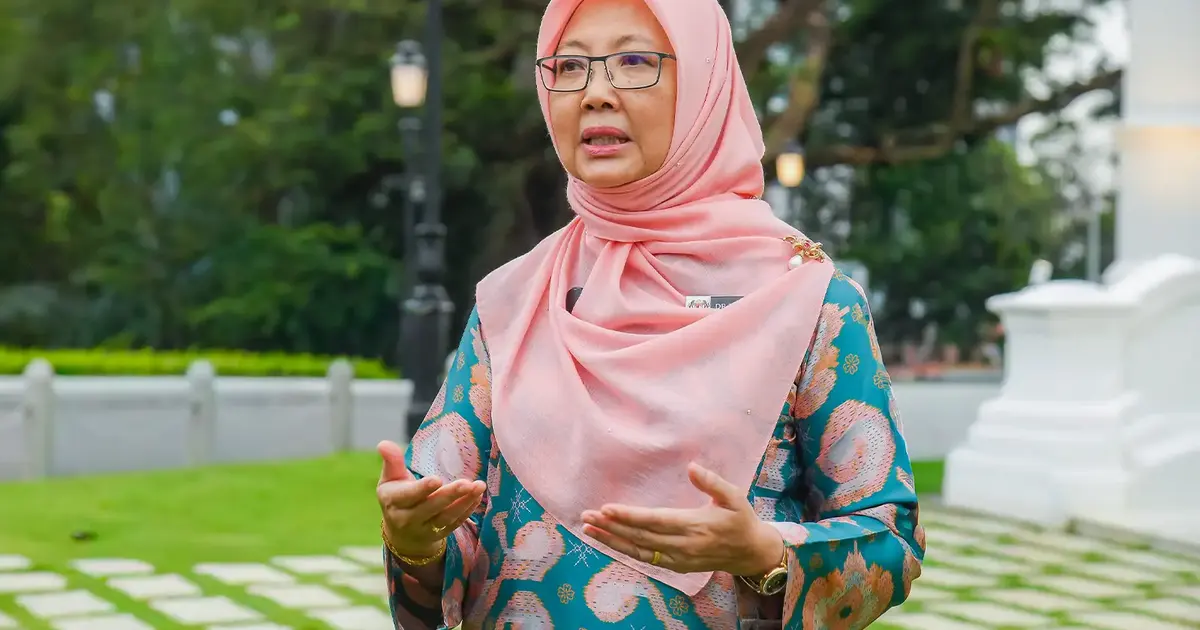
PKR vice-president Zaliha Mustafa has expressed bewilderment at Johor Barisan Nasional chairman Onn Hafiz Ghazi's public call for Pakatan Harapan to unveil its poster boy for the state elections, citing the fundamental uncertainty surrounding whether such a candidate would ultimately be appointed to lead the state government.
The demand reflects the conventional political playbook of pushing opposition coalitions to commit early to their leadership choices, a tactic that typically exposes internal power dynamics and potential vulnerabilities within rival alliances. By requiring PH to name names before any electoral outcome is determined, BN would gain crucial intelligence about coalition fault lines and ministerial ambitions that could be exploited during post-election negotiations or campaign messaging.
Zaliha's puzzlement appears rooted in a practical reality that often escapes public discourse during campaign seasons. The appointment of a menteri besar involves complex considerations beyond simply winning an election. Even if Pakatan Harapan emerges victorious in Johor, the actual selection of who leads the state government hinges on negotiations between component parties, numerical seat distribution, historical power-sharing agreements, and palace consultations. No opposition coalition can guarantee in advance that their publicly announced preferred candidate will necessarily assume office.
This dynamic carries particular significance in Malaysian politics, where multiple coalition partners must navigate delicate power-sharing arrangements. In the 2022 Johor state election, for instance, the eventual distribution of portfolios and leadership positions involved intricate negotiations that extended well beyond simple majority mathematics. The same complexities would almost certainly resurface in any future electoral contest.
From a strategic standpoint, Zaliha's resistance to naming a poster boy makes considerable sense for opposition unity. Public designation of a preferred menteri besar candidate could immediately trigger internal coalition tensions, particularly if multiple component parties harbour leadership aspirations. In a coalition comprising PKR, DAP, Amanah, and potentially other partners, premature public commitment to one candidate risked alienating competing camps before a single vote is cast.
The BN chairman's demand also carries an implicit assumption that opposition coalitions operate with the same hierarchical clarity as governing coalitions, which often simply do not. Governing coalitions benefit from established institutional frameworks and palace protocols that clarify succession arrangements. Opposition alliances, by contrast, operate more fluidly, with leadership decisions frequently deferred until electoral victory creates the actual circumstances requiring such determinations.
Moreover, the timing of such demands frequently carries tactical intent. By pressing PH to make premature commitments, BN seeks to manufacture internal conflict narratives, signal disorganisation to voters, or create ammunition for subsequent political attacks. Malaysian political discourse regularly features opposition coalitions portrayed as fractious or internally divided, and naming a poster boy could inadvertently reinforce such perceptions.
Zaliha's public expression of confusion regarding the demand also serves an important coalition management function. By questioning the logic rather than outright refusing, PKR signals pragmatism and openness while simultaneously protecting coalition cohesion. This rhetorical approach avoids both appearing evasive and making binding commitments that could destabilise partnership dynamics.
The broader context involves the perpetual challenge facing Malaysian opposition coalitions. While BN and other governing arrangements benefit from established protocols and institutional precedent, opposition alliances must constantly balance unity imperatives against the natural political ambitions of their component parties. Every major decision, from candidate selection to leadership appointments, potentially triggers internal negotiations that can either strengthen or weaken coalition bonds.
For Malaysian voters and observers, this exchange illuminates fundamental differences in how governing and opposition coalitions function. The menteri besar appointment represents one of the highest stakes in state-level politics, affecting resource allocation, development priorities, and political access for the next five years. Yet the process of selection remains opaque until electoral outcomes force actual negotiations.
Zaliha's puzzlement ultimately reflects a legitimate tension in Malaysian democratic practice. Voters understandably desire clarity about opposition leadership intentions before casting ballots. Yet opposition coalitions reasonably resist pre-election commitments that might compromise their post-election flexibility or exacerbate internal tensions. This tension between transparency and coalition unity will likely persist as long as multi-party coalitions remain central to Malaysian politics.
The Johor situation also underscores how state elections involve distinct political dynamics from federal contests. State-level coalitions sometimes operate differently than their federal counterparts, with different component parties wielding varying influence. The eventual resolution of leadership questions in Johor would therefore depend substantially on the specific electoral results and composition of any victorious coalition.
%22%2F%3E%3C%2Fpattern%3E%3C%2Fdefs%3E%3Crect%20width%3D%22100%25%22%20height%3D%22100%25%22%20fill%3D%22url(%23ph3sm85g)%22%2F%3E%3Crect%20width%3D%22100%25%22%20height%3D%22100%25%22%20fill%3D%22url(%23ph3sm85p)%22%2F%3E%3Ctext%20x%3D%2250%25%22%20y%3D%2250%25%22%20text-anchor%3D%22middle%22%20dominant-baseline%3D%22central%22%20fill%3D%22rgba(255%2C255%2C255%2C0.95)%22%20font-family%3D%22Georgia%2C%20'Times%20New%20Roman'%2C%20serif%22%20font-weight%3D%22700%22%20font-size%3D%22226%22%20letter-spacing%3D%22-0.02em%22%3ERussia%3C%2Ftext%3E%3C%2Fsvg%3E)