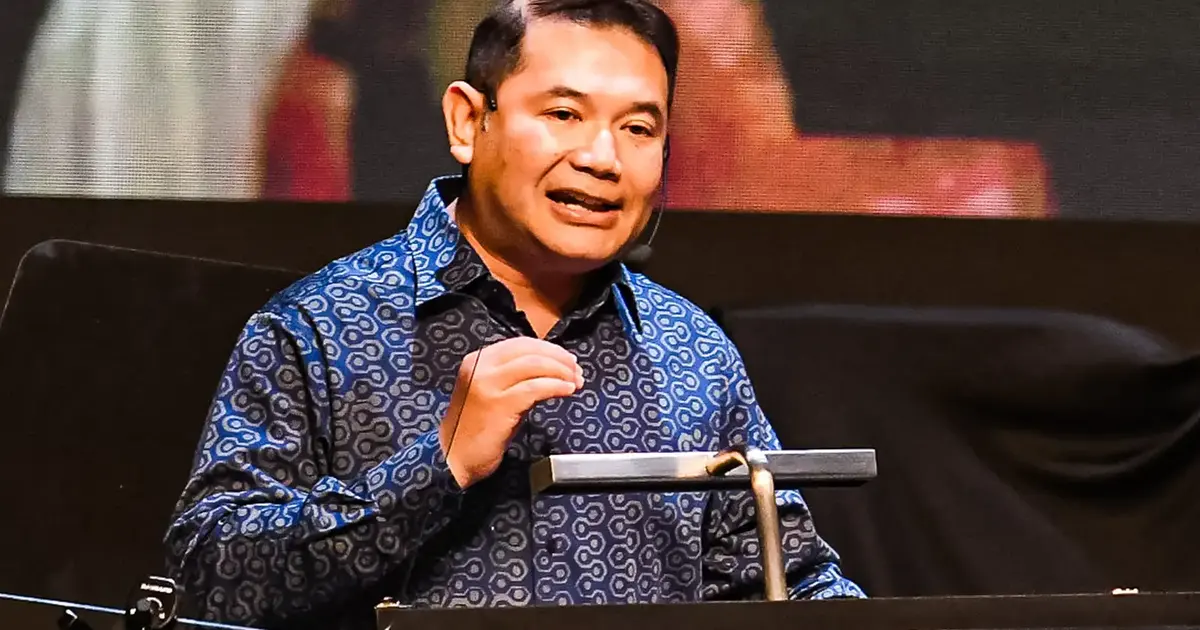
Parti Bersama Malaysia has concluded its candidate recruitment drive for the upcoming Johor state elections, with 73 volunteers stepping forward to represent the party in what marks a significant expansion of its electoral footprint in the southern state. Party president Rafizi Ramli confirmed that the vetting and evaluation phase has been finalised, paving the way for a formal announcement of the selected candidates on Friday.
The scale of volunteer participation reflects Bersama's ambitions to establish itself as a meaningful political force in Johor, traditionally dominated by the Barisan Nasional coalition and increasingly contested by Pakatan Harapan components. The decision to field candidates across multiple constituencies signals the party's intent to contest on a broader platform rather than cherry-picking winnable seats, a strategy that carries both opportunity and risk for an emerging political entity seeking to carve out electoral territory.
The selection process undertaken by Bersama represents the party's attempt to identify candidates who can resonate with Johor voters while maintaining party ideology and standards. With 73 potential candidates in the pipeline, the party leadership would need to make strategic decisions about which constituencies warrant fielding their nominees, particularly in three-cornered or multi-way contests where vote splitting could determine outcomes. Such calculations are particularly crucial in Johor, where the political landscape remains fluid following the 2022 state election results.
Rafizi's announcement of the completion of the vetting phase suggests that Bersama has established internal mechanisms for candidate evaluation, including background checks, ideological alignment assessments, and viability studies. These processes are essential for a party attempting to build credibility with voters while avoiding the kind of candidate controversies that have plagued larger coalitions. The timing of the Friday announcement allows candidates and party structures adequate preparation time before nomination papers are submitted.
For Malaysian political observers, Bersama's Johor candidacy underscores the shifting dynamics of three-way competition at the state level. The party, which contests as an independent entity, has positioned itself as an alternative to both the Barisan and Pakatan blocs, appealing to voters sceptical of coalition politics. In Johor specifically, this could fragment opposition votes if coordination with Pakatan components proves inadequate, or it could energise voters fatigued by the established political duopoly.
The volunteer response to Bersama's call for candidates reveals the pool of political entrepreneurs and activists willing to gamble on an emergent party. Whether these candidates can translate enthusiasm into electoral victories depends heavily on ground organisation, campaign financing, and the party's ability to communicate a coherent message that distinguishes it from competitors. The quality and background of selected nominees will offer clearer insight into the party's electoral strategy once the shortlist is unveiled.
Johor's political significance extends beyond state-level politics, carrying implications for federal parliamentary constituencies within the state. Performance in state elections often provides momentum for general election campaigns, making the Johor contest a testing ground for parties seeking to gauge voter receptiveness to their platforms. For Bersama, a credible showing would validate its model as a viable political alternative, while disappointment could prompt strategic reassessment ahead of the next general election cycle.
The timing of Bersama's candidate announcement occurs amid broader conversations about political realignment in Malaysia. With the landscape increasingly fragmented beyond the traditional binary competition, voters in Johor will have expanded choices when casting ballots. This diversification can enhance democratic expression but also complicate electoral mathematics, particularly for candidates navigating plurality voting systems where a divided vote can prove decisive.
As Bersama prepares to name its shortlisted candidates on Friday, the focus will shift to assessing the quality and credibility of the nominees and their ability to mount competitive campaigns. The composition of the candidate list—including their professional backgrounds, local connections, and grassroots support networks—will shape initial perceptions of the party's seriousness and organisational capacity. Media scrutiny of individual candidates and their track records will intensify following the announcement.
Looking ahead, the success or failure of Bersama's Johor foray will provide valuable data about the appetite among Malaysian voters for political alternatives beyond established coalitions. The 73 candidates represent a substantial resource commitment and an expression of confidence by volunteers in the party's direction. Whether this translates into meaningful electoral performance will become apparent once campaign activities begin in earnest and voters render their verdicts on polling day.