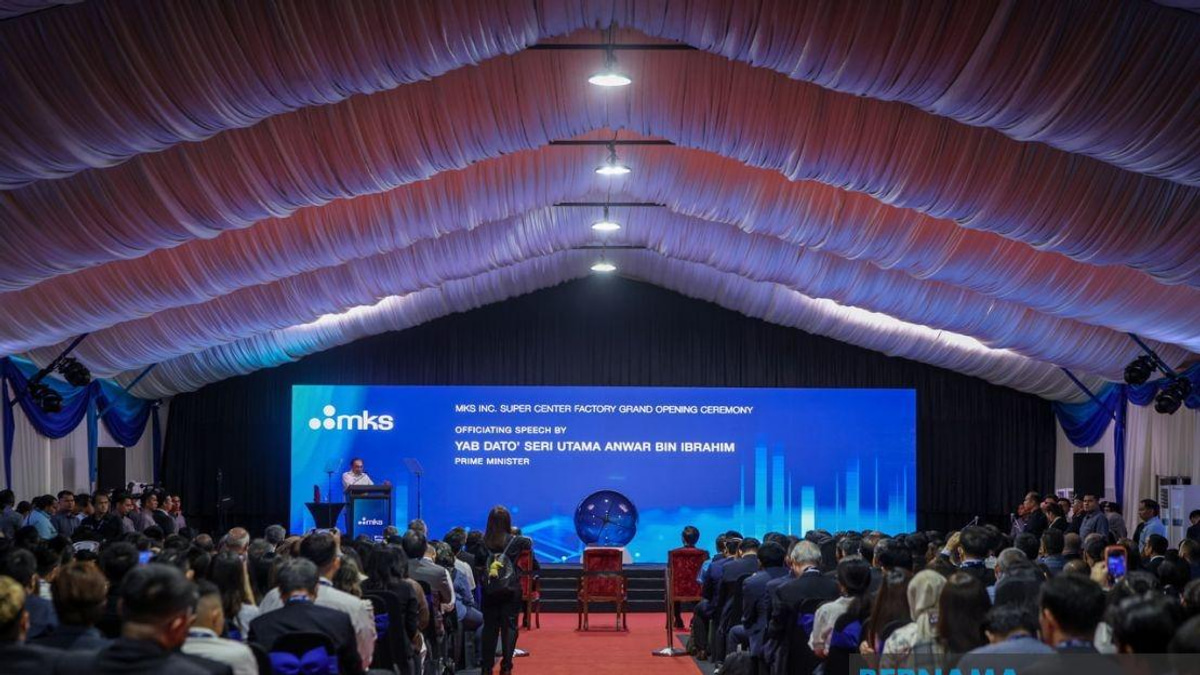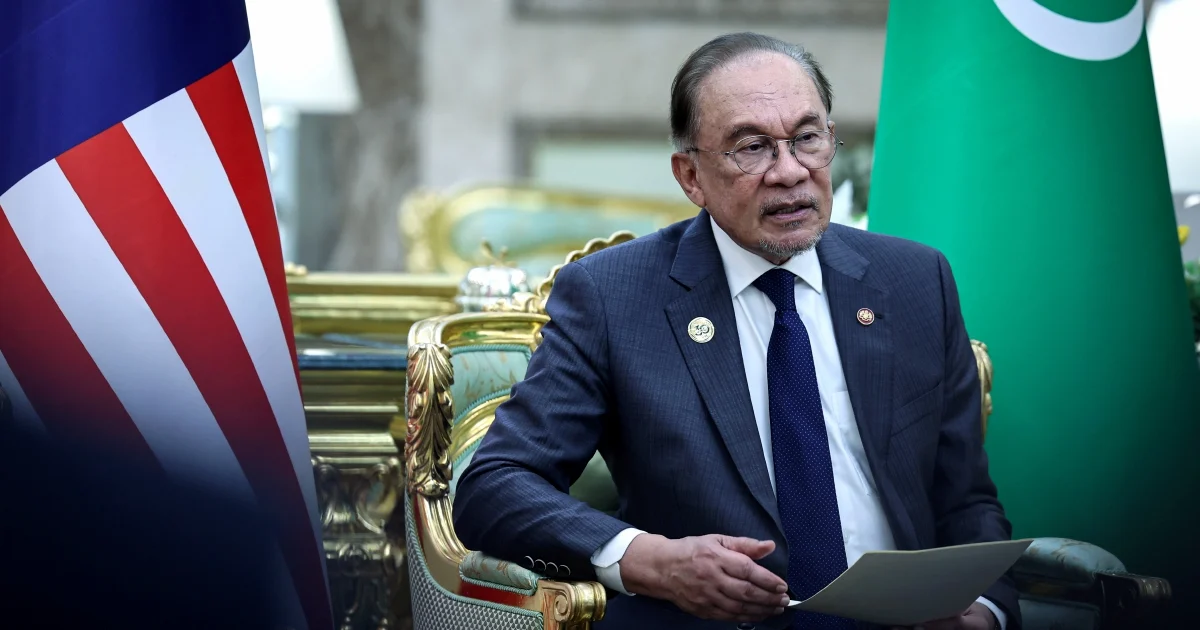
Prime Minister Datuk Seri Anwar Ibrahim has expressed cautious optimism over emerging signs of diplomatic progress between Washington and Tehran, characterizing preliminary understandings as a significant step toward de-escalation in one of the world's most volatile regions. Speaking in Batu Kawan, Anwar highlighted the potential implications of such breakthroughs for broader international stability and emphasized Malaysia's long-standing commitment to peaceful conflict resolution through dialogue.
The Malaysian premier's comments reflect a broader regional perspective on the strategic importance of US-Iran relations, particularly as tensions in the Middle East continue to reverberate across global markets and affect trade partnerships throughout Southeast Asia. Malaysia, as a Muslim-majority nation with diverse diplomatic ties across the Islamic world and the Western hemisphere, has traditionally positioned itself as a voice advocating for moderation and constructive engagement in international disputes. Anwar's remarks underline this diplomatic tradition while signalling Malaysia's interest in seeing reduced geopolitical friction that could destabilize commodity prices and disrupt regional trade corridors vital to the Malaysian economy.
The significance of any US-Iran understanding extends beyond bilateral concerns. The Middle East remains strategically critical for Southeast Asian nations dependent on stable energy supplies, particularly as crude oil prices influence domestic fuel costs and broader economic competitiveness. Malaysia's refineries and petrochemical industries remain sensitive to supply chain disruptions emanating from Persian Gulf instability. Anwar's welcoming stance thus reflects practical economic considerations alongside diplomatic principle, acknowledging that regional peace serves Malaysian interests across multiple dimensions.
In his remarks, Anwar implicitly recognized that sustained progress would require more than initial agreements or preliminary understandings. The history of US-Iran relations demonstrates that early breakthroughs frequently encounter obstacles during implementation phases, with domestic political pressures in both nations potentially complicating follow-through commitments. By emphasizing the need for lasting peace rather than merely celebrating the initial development, Anwar positioned Malaysia as invested in genuine, enduring resolution rather than temporary ceasefires that ultimately prove fragile.
The Prime Minister's intervention also reflects Malaysia's role within broader multilateral frameworks addressing Middle Eastern concerns. As a member of the United Nations, the Non-Aligned Movement, and the Organisation of Islamic Cooperation, Malaysia maintains channels of communication across divided parties. Anwar's public endorsement of US-Iran progress carries subtle messaging to stakeholders in both camps that a major developing nation views de-escalation as preferable to continued confrontation, potentially encouraging other regional and international actors to support diplomatic pathways.
From a domestic Malaysian perspective, Anwar's comments align with his government's broader foreign policy orientation toward pragmatism and economic pragmatism. His administration has sought to balance Malaysia's traditional ties within the Islamic world with recognition of economic imperatives requiring stable relationships with Western trading partners and investors. A more stable US-Iran dynamic facilitates this balancing act by reducing the pressure on Malaysian policymakers to choose sides in regional proxy conflicts or energy disputes.
Historically, Malaysia has benefited from periods of reduced Middle Eastern tension. Lower geopolitical risk premiums on oil prices translate to more predictable energy costs for Malaysian manufacturers and consumers. Additionally, decreased instability reduces the security threats posed by extremist organizations that have exploited regional power vacuums. The Malaysian government's past counter-terrorism efforts have often focused on groups leveraging Middle Eastern conflicts for recruitment and funding purposes.
Anwar's characterization of the US-Iran development as "positive news for the world" rather than merely regional significance indicates his understanding that contemporary international relations operate across interconnected systems. Cyber conflicts, terrorism networks, and economic sanctions regimes emanating from US-Iran tensions have previously affected Malaysian individuals and organizations operating internationally. Stability in this critical relationship therefore carries implications for Malaysian businesses, academics, and government institutions engaged in global affairs.
Looking forward, Malaysia will likely continue monitoring the trajectory of US-Iran diplomatic efforts with significant interest. Should preliminary agreements progress toward comprehensive frameworks, Anwar's government may seek opportunities to participate in reconstruction initiatives or regional economic development projects that arise from decreased tensions. Conversely, if negotiations stall or regress, Malaysia will need to recalibrate its own risk assessments regarding Middle Eastern supply chains and security threats.
Anwar's measured optimism reflects a sophisticated understanding that premature celebration of diplomatic breakthroughs risks appearing naive if negotiations ultimately collapse. By welcoming the development while emphasizing the importance of sustained commitment, the Prime Minister signalled that Malaysia takes seriously the hard work of translating initial agreements into lasting institutional changes that reshape regional dynamics. This nuanced approach positions Malaysia as a thoughtful participant in international affairs rather than a reactive observer of external events.