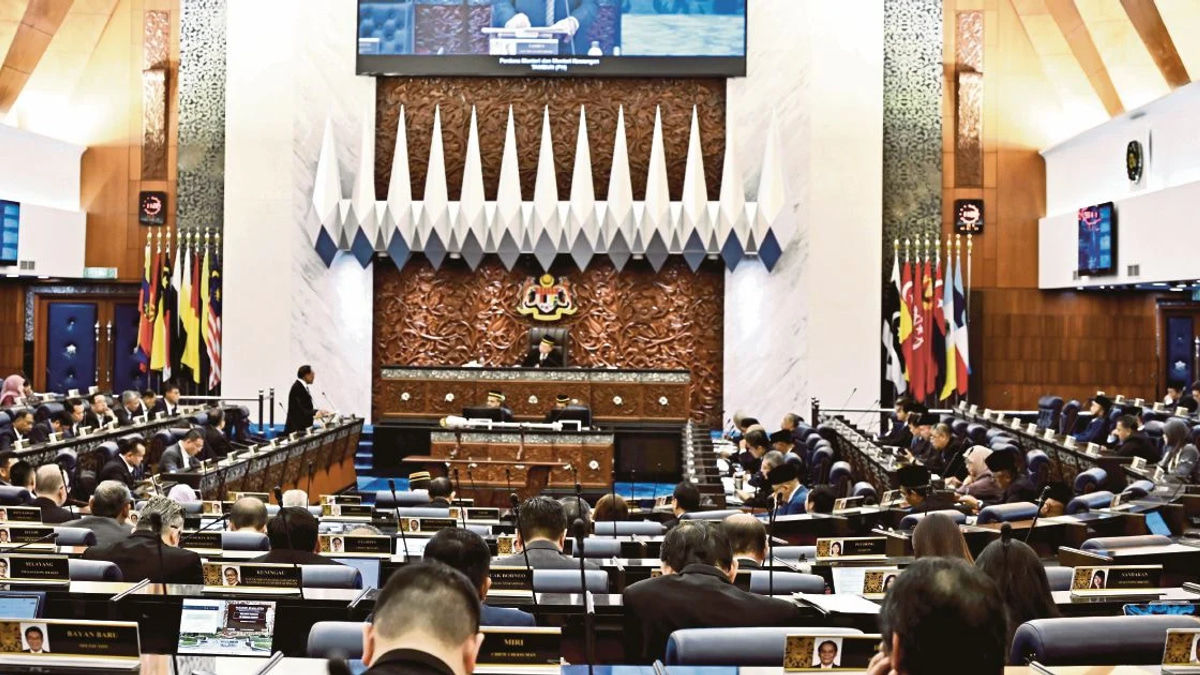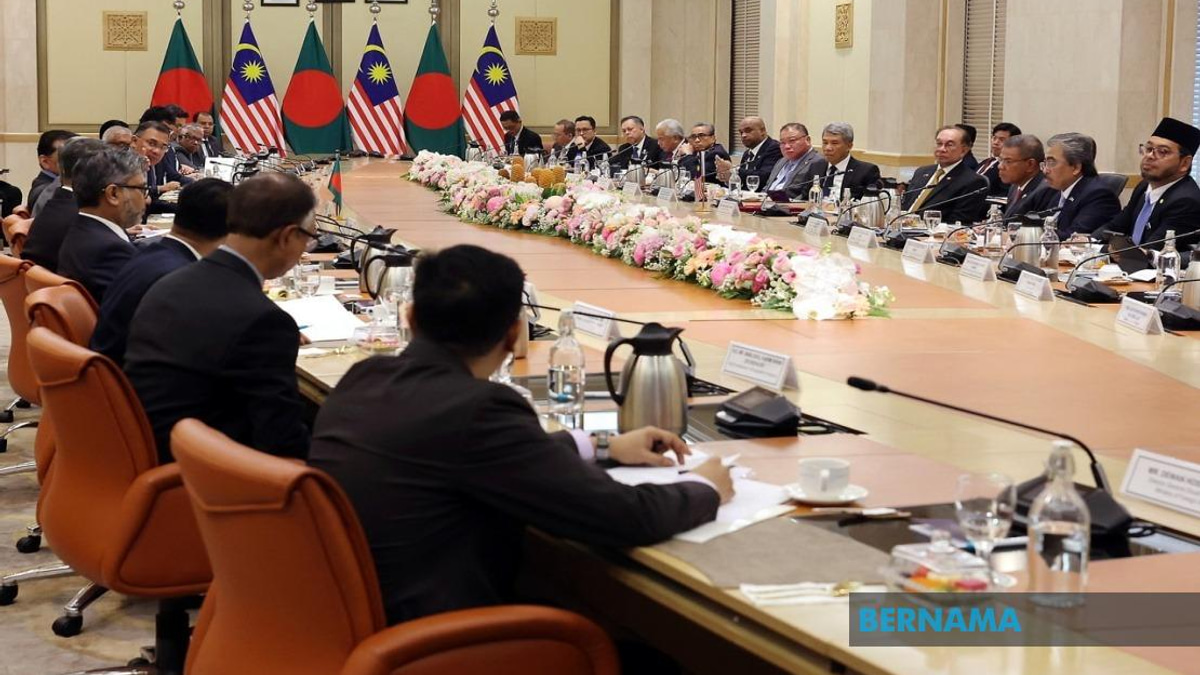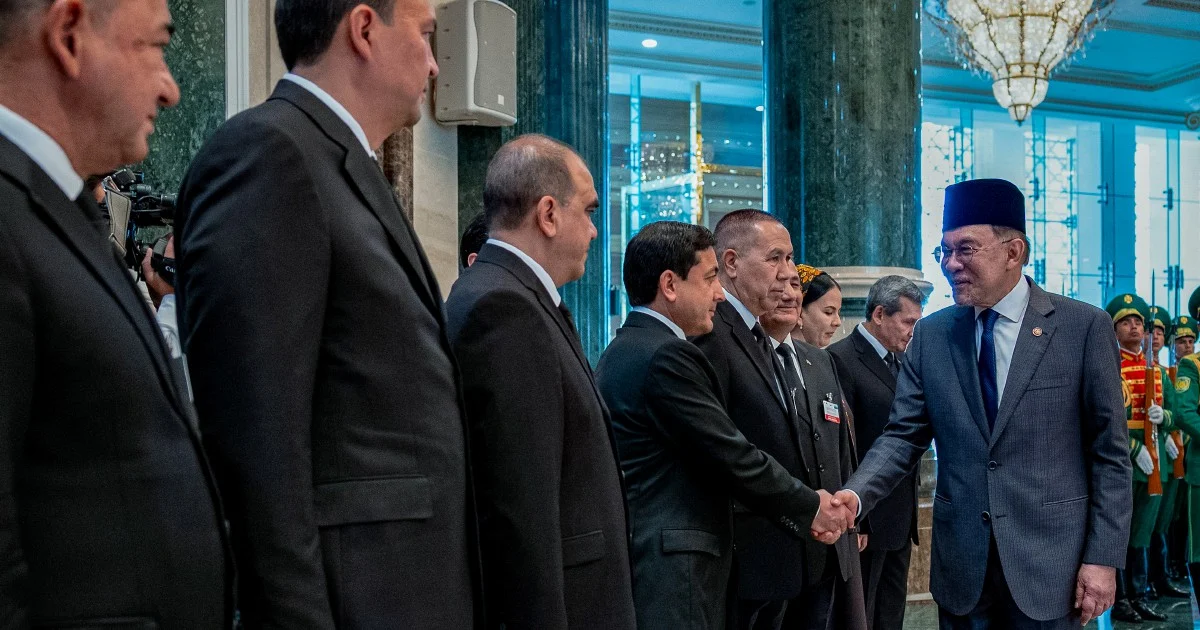
Prime Minister Datuk Seri Anwar Ibrahim's sustained diplomatic outreach is gaining recognition among observers as a deliberate strategy to fortify Malaysia's position within an increasingly unstable international arena. By cultivating relationships across major economies and regional partners, the administration is attempting to create pathways that insulate the nation's economic interests from the cascading effects of geopolitical upheaval that continues to reshape global commerce and investment patterns.
The timing of this diplomatic agenda aligns with a critical juncture for Malaysia's development prospects. Global supply chains remain fragmented following the pandemic, trade tensions between major powers persist, and several regional economies are experiencing slower growth trajectories. Within this context, strengthening bilateral and multilateral relationships becomes not merely a diplomatic courtesy but a practical necessity for securing the foreign direct investment and trade partnerships upon which Malaysia's prosperity depends.
Academic observers note that Anwar's approach extends beyond ceremonial state visits and formal summits. The initiative encompasses deliberate engagement with key trading nations, participation in regional economic forums, and the cultivation of strategic partnerships that can generate tangible commercial benefits. These efforts signal to international investors that Malaysia remains a stable, forward-thinking destination despite the turbulent global environment, a perception that directly influences capital allocation decisions by multinational corporations and institutional investors.
The geopolitical landscape confronting Malaysia presents both obstacles and opportunities. Rising tensions between major powers have prompted many nations to recalibrate their supply chains and investment strategies, potentially allowing nimble economies to position themselves as alternative hubs for manufacturing and commerce. Malaysia, with its geographic location spanning the critical Strait of Malacca and its established infrastructure, possesses inherent advantages that require skillful diplomatic reinforcement to fully exploit.
Economic diversification remains central to this diplomatic strategy. Rather than relying predominantly on traditional sectors such as palm oil and semiconductors, the government seeks to attract investments in emerging industries including renewable energy, digital infrastructure, and advanced manufacturing. International partnerships developed through Anwar's diplomatic channels can accelerate technology transfer and facilitate joint ventures that elevate Malaysia's position within global value chains.
Furthermore, the administration's engagement with established economic powers such as China, the United States, and European Union members addresses immediate trade concerns while laying groundwork for long-term structural advantages. Bilateral agreements negotiated during these diplomatic missions can reduce trade barriers, streamline customs procedures, and create preferential terms that enhance Malaysia's competitiveness relative to neighboring economies competing for the same foreign investments.
Regional integration efforts represent another dimension of this strategy. Malaysia's participation in frameworks such as the Regional Comprehensive Economic Partnership and engagement with the Association of Southeast Asian Nations provides leverage in negotiating better terms with external partners while strengthening ties within Southeast Asia. This dual-track approach—simultaneously building international relationships while deepening regional cooperation—creates a more resilient economic foundation less vulnerable to disruptions emanating from any single external source.
The private sector has demonstrated considerable interest in the outcomes of these diplomatic initiatives. Malaysian corporations seeking expansion into new markets benefit from government-to-government relationships that facilitate market access, reduce regulatory obstacles, and create favorable conditions for commercial expansion. Similarly, the government's diplomatic efforts enhance Malaysia's attractiveness to foreign companies exploring Southeast Asian opportunities, as stability and strong international positioning reduce business risks.
Challenges remain substantial. Global uncertainties extend beyond the realm of conventional diplomacy; technological disruption, climate change impacts on agriculture and resource-dependent sectors, and potential recession in major economies all present risks that diplomatic efforts alone cannot fully mitigate. Nevertheless, the foundation established through enhanced international relationships provides Malaysia greater flexibility to respond to these challenges through cooperative mechanisms and coordinated policy responses.
The psychological dimension of diplomatic engagement should not be underestimated. When international observers perceive Malaysia's leadership as actively engaged on the global stage and committed to strengthening relationships, market confidence increases, currency stability improves, and risk premiums associated with Malaysian investments decline. These macro-financial benefits accrue regardless of immediate sectoral or commercial gains, creating a favorable environment for sustained economic activity.
Moving forward, the sustainability of this diplomatic momentum depends on consistent execution and the ability to translate high-level agreements into tangible commercial results. Academic and business communities are monitoring whether the relationships cultivated through Anwar's international engagement translate into measurable increases in foreign direct investment, expanded trade volumes, and genuine economic growth benefiting ordinary Malaysians across diverse regions and sectors.