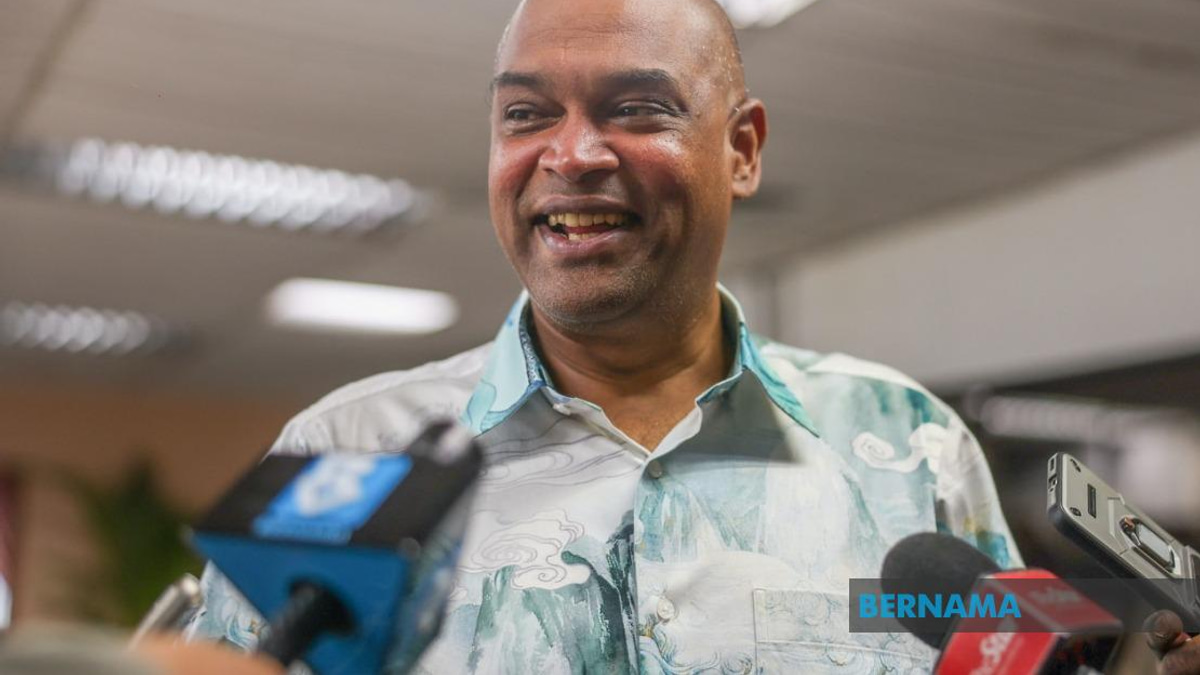
Parti Bersama Malaysia will unveil its carefully selected slate of candidates for the upcoming Johor state election at a ceremony in Johor Bahru on Friday, according to an announcement by party leader Datuk Seri Rafizi Ramli. The disclosure came as the newly-formed political party prepares for its debut in the crucial southern state contest, marking a significant test of its organisational capabilities and voter appeal ahead of the July 11 polling date.
Rafizi stated that the party has concluded its rigorous vetting procedures for prospective candidates, though he refrained from revealing how many constituencies Bersama intends to contest. This strategic silence regarding the party's scope of participation reflects ongoing deliberations within Bersama's leadership about resource allocation and electoral strategy, particularly as the party establishes itself in Malaysian politics following its formal registration. The decision to withhold this information may also signal potential negotiations with other political entities regarding seat-sharing arrangements or coalition partnerships.
The overwhelming response to Bersama's candidate recruitment drive demonstrates considerable interest in the party's political platform. Following the opening of applications just over a week prior, the party received submissions from more than 300 individuals eager to represent Bersama in contests spanning both Johor and Negeri Sembilan state elections. This substantial interest underscores the appetite among potential candidates for a new political vehicle, particularly one positioning itself outside traditional party structures and political alignments.
Bersama implemented a comprehensive evaluation framework to assess the quality of its candidate pool. All applicants were required to complete detailed application forms and participate in structured interview sessions where they fielded questions drawn randomly from their personal backgrounds, professional experiences, and political convictions. This methodology aims to ensure candidates meet the party's standards for representation while minimising the influence of personal connections or patronage networks that have historically characterised Malaysian candidate selection processes.
The electoral calendar for the Johor contest now enters its critical phase. The Election Commission has scheduled polling for July 11, with nomination day positioned on June 27—providing candidates just one week to formally register their nominations after Bersama's Friday announcement. Early voting is scheduled for July 7, allowing civil servants and authorised voters to cast ballots ahead of the main election day. This compressed timeline places considerable pressure on all contesting parties to finalise their candidate announcements and campaign preparations swiftly.
Bersama's entry into the Johor election represents a notable development in the state's political landscape, which has traditionally been contested primarily by Barisan Nasional, Pakatan Harapan, and other established parties. The newcomer's ambitions in Johor carry significance beyond the immediate state contest, as strong performance here could validate the party's broader aspirations for national relevance. Conversely, a weak showing might diminish Bersama's credibility as a serious political force, particularly given the stakes involved in establishing a new party's electoral credibility in Malaysia's competitive political environment.
The party's expansion into Negeri Sembilan simultaneously with Johor suggests Bersama is pursuing a deliberately targeted geographical strategy rather than attempting nationwide coverage. This approach conserves resources while allowing the party to concentrate messaging and organising efforts in select markets where it believes it can achieve competitive results. Such focused expansion is characteristic of newer parties seeking to establish strongholds before broadening their geographical footprint across Malaysia.
Rafizi's announcement came during the Jelajah Kancil programme in Kota Bharu, highlighting Bersama's simultaneous engagement across multiple states. The party's decision to publicise its Johor candidacies while conducting broader touring activities demonstrates an attempt to maintain momentum across its operating territories. Such coordinated messaging helps build party visibility and coherence as Bersama seeks to establish itself as a credible alternative within Malaysia's fractious political ecosystem.
The calibre of candidates ultimately selected by Bersama could significantly influence the party's electoral fortunes in Johor. Beyond simply filling ballot positions, the chosen individuals will serve as public faces representing the party's values and policy agenda to voters. Given Bersama's positioning as a relative newcomer without the institutional machinery or established voter networks of older parties, the appeal and credibility of its candidate roster becomes especially consequential for converting interest into actual electoral support.
Sector observers will be keenly watching Bersama's candidate announcements to assess the party's strategic thinking regarding coalition dynamics. The party's decisions about which constituencies to contest and what type of individuals it fields could indicate whether Bersama intends to function as an independent political force or as a potential coalition partner with established opposition or government-aligned blocs. These early electoral decisions often telegraph longer-term political positioning and ambitions within Malaysia's evolving multi-party landscape.