Brazil's 3-0 demolition of Haiti in Philadelphia on June 19 provided manager Carlo Ancelotti with more than just a morale-boosting victory after the disappointment of their opening 1-1 draw against Morocco. The emphatic result offered supporters tangible evidence that the five-time World Cup champions are beginning to establish a coherent tactical identity within Group C of this Copa América tournament.
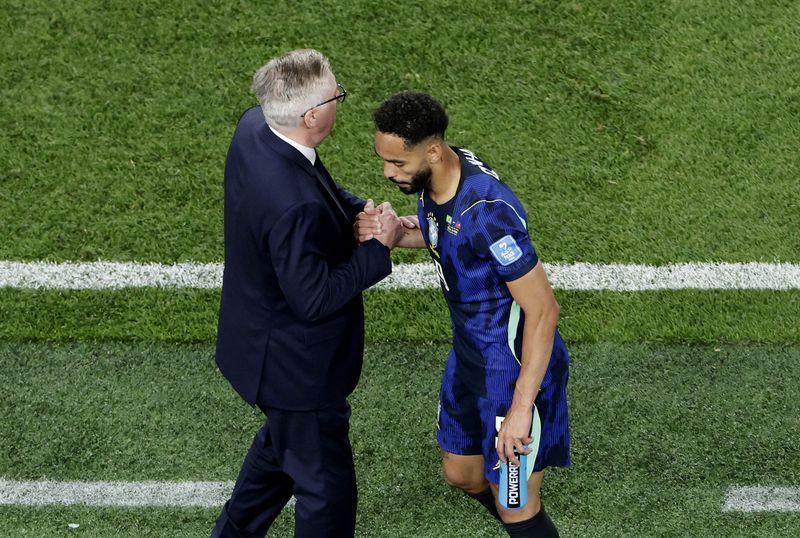
Whilst Haiti's defensive frailties—repeatedly venturing forward with scant regard for the yawning spaces left in their backline—made Brazil's task considerably easier than it might otherwise have been, the visiting team's improved performance stemmed primarily from Ancelotti's personnel adjustments. The Italian tactician made two key changes to the lineup that laboured against Morocco, and the most consequential involved bringing Matheus Cunha into the attack at the expense of Igor Thiago. This substitution proved instrumental in restoring structural balance and establishing functional interplay between Brazil's midfield and attacking units, elements that had been notably absent during the frustrating opening match.
The introduction of Cunha allowed Ancelotti's diamond midfield configuration to function with genuine coherence for the first time in this tournament. Lucas Paquetá, who had drawn considerable criticism for his ineffective first-half display against Morocco, appeared far more settled operating as the left-sided midfielder within this formation. Operating in a role that demanded tactical discipline and positional awareness, Paquetá rediscovered his rhythm and demonstrated the capacity to link play effectively with both Vinicius Júnior and Cunha. The improvement was immediately evident in the team's fluidity and ability to construct passing sequences in the final third.
Cunha's performance embodied precisely the qualities Brazil's attack had lacked since the long-term injury to Neymar. Drifting inward from the left flank, the Atlético Madrid forward established an intuitive understanding with both Vinicius and Paquetá, creating triangular passing patterns that had become conspicuously absent from Brazil's offensive arsenal. His tireless movement created passing lanes whilst his willingness to operate between the lines rather than hugging the touchline provided the creative impetus that had been missing. The tangible chemistry between these three players manifested in concrete results, with Brazil's goals emerging predominantly from the left-sided attack they constructed.
Vinicius, in particular, appeared to benefit considerably from the enhanced support network that Cunha and Paquetá provided. Throughout his recent stint with the national team, the Real Madrid winger has often operated in relative isolation, tasked with generating attacking opportunities with insufficient assistance from deeper-lying teammates. Against Haiti, however, he possessed passing options and movement ahead of him, allowing him to operate with greater confidence and versatility. This contextual shift underscores how tactical adjustments can dramatically alter individual player performances, a lesson Ancelotti appears to have absorbed following the Morocco disappointment.
Yet the Haiti fixture also exposed persistent vulnerabilities that threaten to undermine Brazil's tournament ambitions against more sophisticated opponents. The right flank proved considerably less productive than its left-sided counterpart, with Raphinha failing to impose himself for the second consecutive match. The Barcelona winger, operating within a positional framework quite distinct from his club role where he functions with greater interior freedom, appeared uncomfortable and imprecise. His feet, hampered by blister-related issues that forced him to miss a training session earlier in the week, seemed to betray him throughout the encounter. He misplaced routine passes and struggled to control straightforward possession, suggesting that physical discomfort rather than tactical confusion explained his subdued performance. Whether due to lingering injury concerns or positional constraints, Raphinha's inability to deliver suggests a troubling imbalance between the two flanks.
The substitution of Rayan for the ineffective Raphinha proved equally underwhelming, offering little evidence that this alternative would provide significant improvement if the Barcelona winger remains unavailable for subsequent matches. Luiz Henrique appears more likely to inherit the right-wing responsibilities should Raphinha's fitness remain questionable heading into Brazil's fixture against Scotland. This personnel uncertainty on the right represents a significant concern, as it effectively means Brazil's attacking potency depends overwhelmingly upon the left flank and the creative contributions of Vinicius, Paquetá, and Cunha.
Further defensive questions linger regarding the durability of 34-year-old Casemiro as Brazil progress toward matches against progressively stronger opponents. Whilst the Real Madrid midfielder performed adequately against Haiti's modest threat, stronger nations will expose any limitations in his physical capabilities or reactive pace. Bruno Guimarães, who functioned fluently as right midfielder during the Haiti victory, represents an option to bolster defensive solidity by potentially dropping into a deeper role. Such an adjustment would prioritize structural protection whilst maintaining Brazil's capacity to construct play from defence, though it would necessarily reduce the team's attacking ambitions on the right flank—a flank already struggling to contribute meaningfully.
Although Ancelotti's first competitive fixture as Brazil manager did not represent a scintillating tactical masterclass or a performance likely to inspire overwhelming confidence against elite opposition, the victory signified genuine progress from the opening stalemate against Morocco. The clarity of purpose evident in the formation and the coherent interplay between Cunha, Paquetá, and Vinicius demonstrated that Ancelotti possesses a functional strategic blueprint capable of generating attacking opportunities. Whether this emerging tactical framework can withstand the sophisticated defensive organisation and transitional intensity of stronger opponents remains the fundamental question as Brazil's Copa América campaign moves forward.