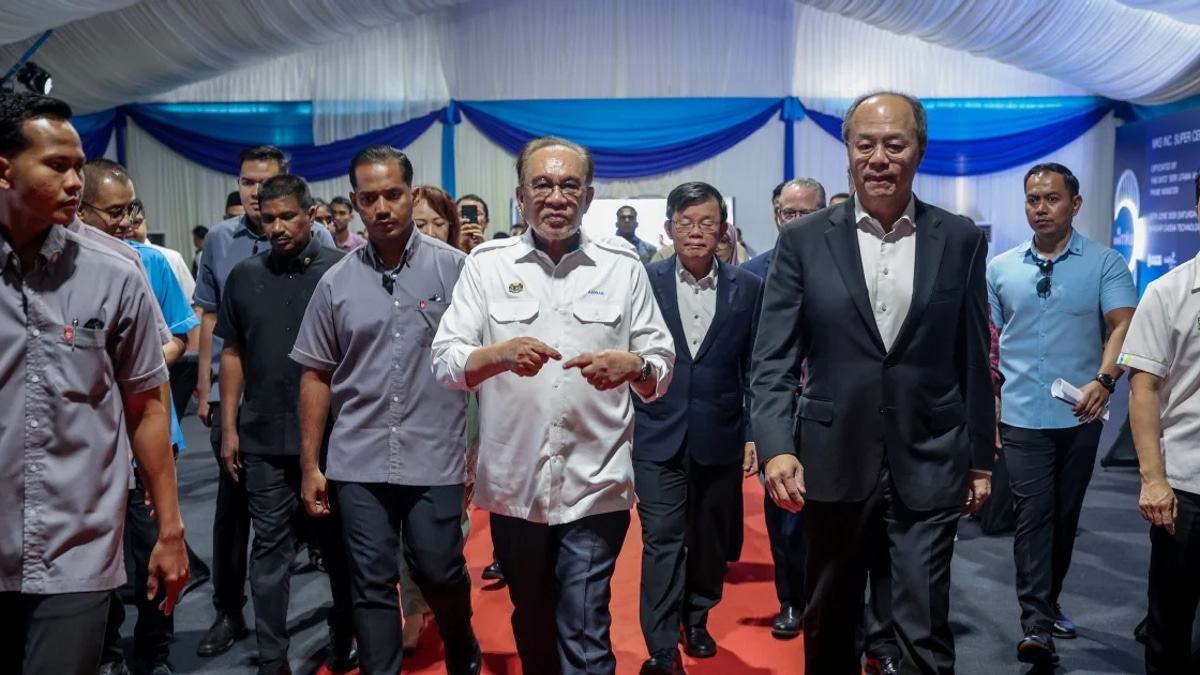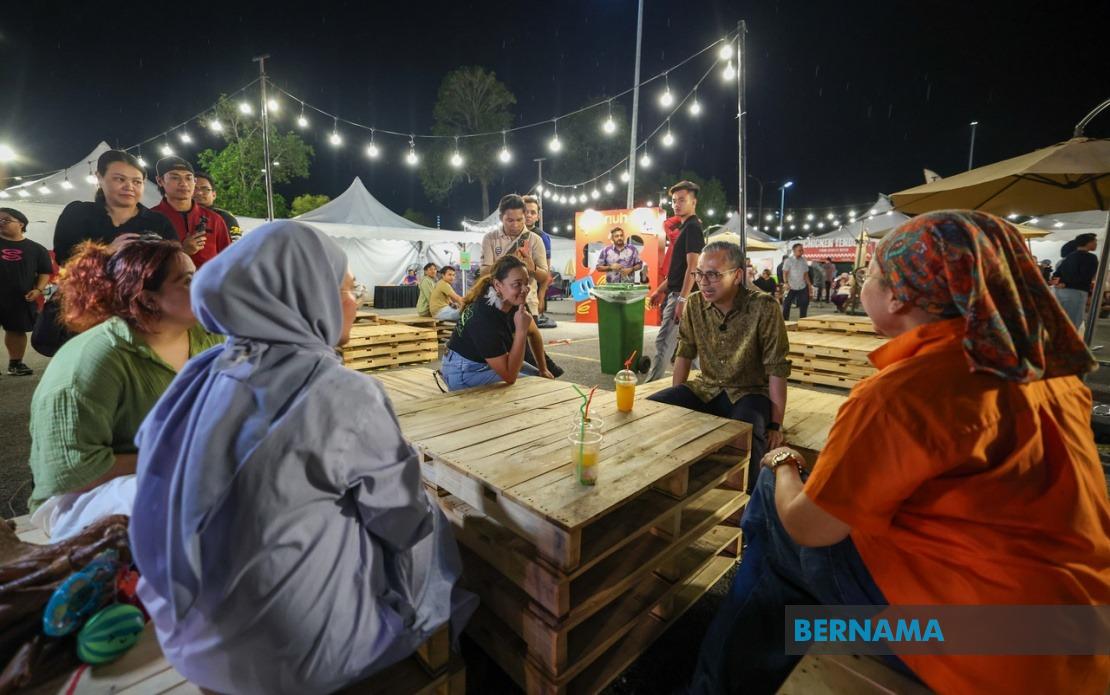
Communications Minister Datuk Fahmi Fadzil has voiced his approval of the RIUH Pi HAWANA carnival, citing strong public engagement and successful organisation as the event continues its run at the PICCA Convention Centre @ Butterworth Arena. The minister's remarks, made during an on-site visit, highlight the significance the government places on initiatives that merge cultural celebration with economic opportunity for Malaysia's creative sector.
The carnival runs in conjunction with National Journalists' Day (HAWANA) 2026 and has drawn encouraging attendance figures, particularly from the Penang region. Fahmi emphasised that the event serves multiple objectives beyond entertainment, functioning as a vital marketplace where established and emerging creative talents can connect directly with audiences. This dual purpose—cultural showcase and commercial platform—reflects a broader government strategy to elevate Malaysia's creative industries on a regional stage.
Among the attendees and performers, the minister specifically highlighted the presence of Exists alongside other established acts, suggesting a deliberate programming choice to bridge generational divides within the local music scene. By featuring both veteran performers and younger artists on the same bill, the carnival demonstrates how events can serve as launching pads for emerging talent while honouring established names. This approach has proven effective in drawing diverse audience demographics, from families and students to music enthusiasts across age groups.
Fahmi's remarks extended beyond mere attendance figures to encompass the carnival's broader economic and social implications. He stressed that the event provides meaningful opportunities for local entrepreneurs to introduce and market their products to a concentrated audience of potential customers. For small and medium-sized enterprises operating in Malaysia's creative economy, such platforms can translate directly into sales and brand recognition, effectively reducing the cost and complexity of independent marketing efforts.
The structure of RIUH Pi HAWANA reflects professional event curation and strategic planning. MyCreative Ventures has assembled over 24 local creative brands alongside 20 food and beverage vendors, creating an ecosystem where visitors encounter not merely entertainment but a comprehensive creative marketplace. The inclusion of interactive workshops broadens the appeal beyond passive consumption, allowing attendees to engage hands-on with various creative disciplines and explore potential new interests.
The entertainment component comprises 18 scheduled live performances, a substantial programming lineup that ensures sustained engagement throughout the event's run. The roster includes established names such as Bunkface and Masdo, alongside rising acts like Budak Nakal Hujung Simpang and Chelsia Ng. This diversity in the performance schedule reflects contemporary music industry trends, where streaming platforms and social media have democratised artist discovery, enabling younger acts to build substantial followings outside traditional gatekeeping mechanisms.
Fahmi's call for continued public attendance, particularly directed at Penang residents, carries implicit recognition that regional participation remains crucial to an event's sustainability and impact. The Penang location offers strategic advantages, positioning the carnival as a cultural anchor for Malaysia's northern corridor while maximising accessibility for residents across Kedah, Perlis, and southern Thailand. For Malaysian and regional creative industries, such geographic focus helps distribute economic benefits beyond the Klang Valley while strengthening Penang's cultural reputation.
The minister's hope that RIUH Pi HAWANA becomes a recurring fixture alongside future HAWANA celebrations suggests government commitment to institutionalising the event. This stability matters significantly for entrepreneurs and performers who plan business strategies around predictable opportunities. A confirmed annual calendar allows vendors and artists to develop long-term participation strategies and allocate resources more confidently, ultimately strengthening the ecosystem's sustainability.
HAWANA itself, established in 2018 and overseen by the Communications Ministry with Bernama as implementing agency, represents governmental engagement with the media profession. Integrating RIUH Pi HAWANA into this observance creates natural synergies, positioning the carnival as integral to how Malaysia recognises and celebrates journalism while simultaneously leveraging that occasion to promote creative industries. This cross-sector approach demonstrates evolving government thinking about event programming, where entertainment serves multiple policy objectives simultaneously.
The carnival's success carries implications for how Southeast Asian governments might approach creative industries development. Rather than relying solely on industry-specific initiatives or standalone trade fairs, integrating creative showcases with existing national observances creates visibility and public participation that dedicated industry events often struggle to achieve. For Malaysian stakeholders in music, fashion, design, and entrepreneurship, RIUH Pi HAWANA exemplifies how strategic alignment with government calendars and ministerial portfolios can amplify exposure and commercial opportunity within a regional market increasingly recognised for its creative potential.