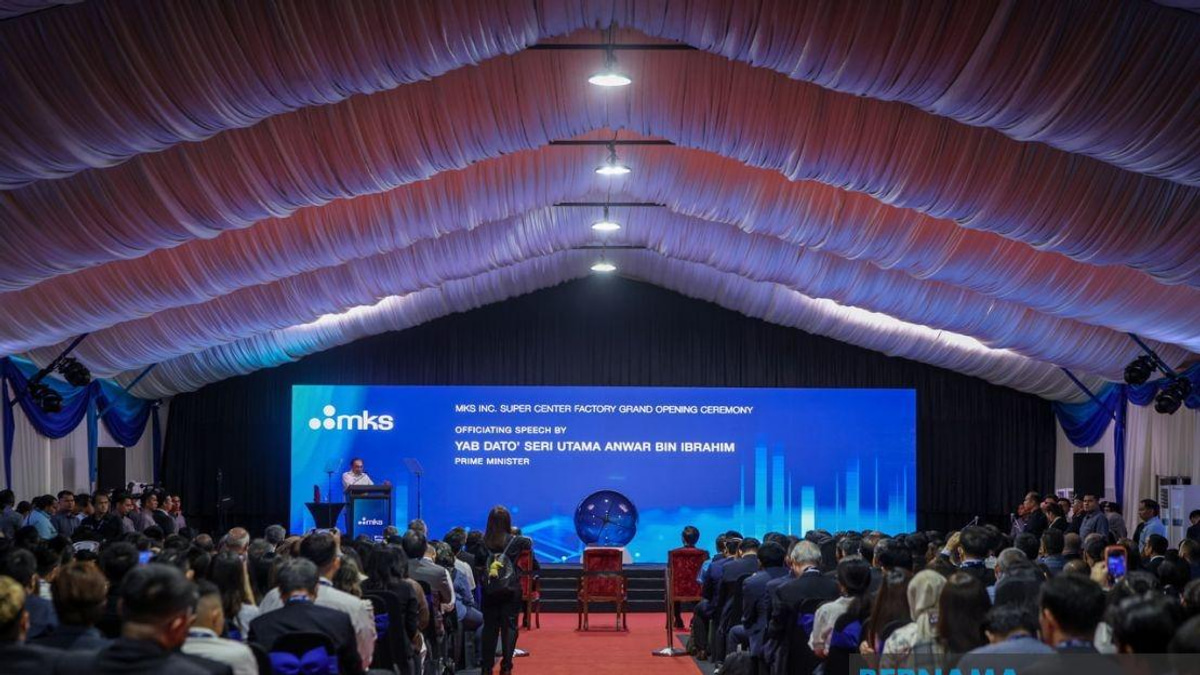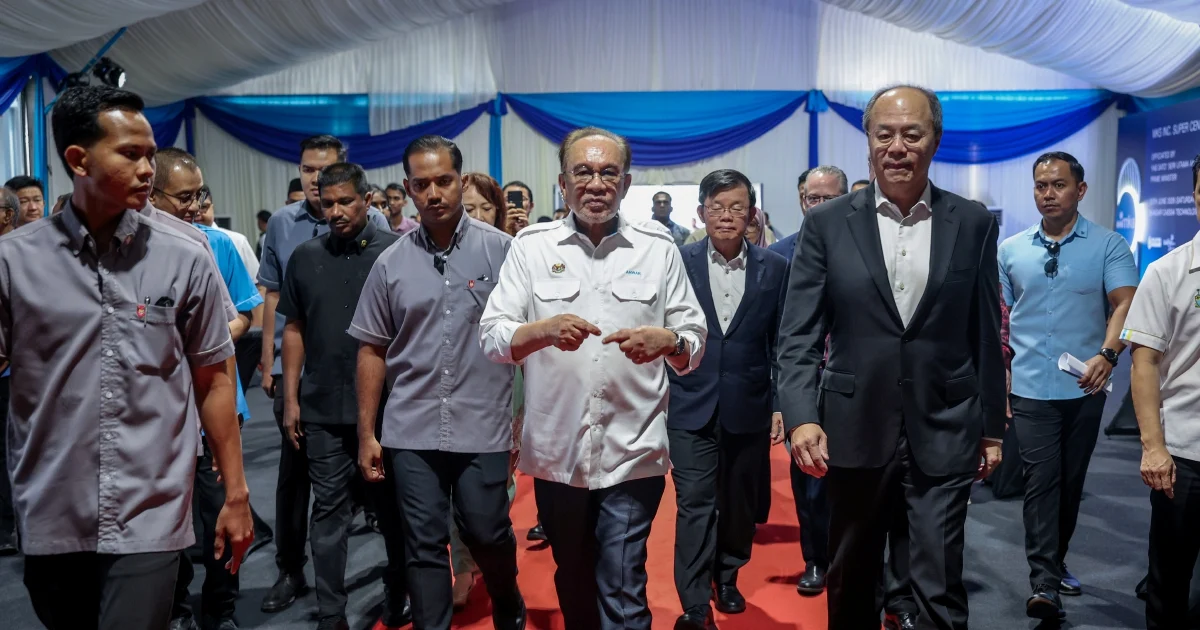
Prime Minister Datuk Seri Anwar Ibrahim has attributed Malaysia's growing appeal to international investors to the country's carefully calibrated approach of remaining neutral while cultivating partnerships across the globe. Speaking in Batu Kawan, Anwar underscored how this diplomatic strategy serves as a fundamental pillar supporting both foreign direct investment flows and broader economic momentum, positioning the nation as a reliable destination for multinational corporations and investment funds seeking stability in an uncertain geopolitical environment.
The Malaysian leader's remarks reflect a deliberate repositioning of the country's international standing, particularly relevant given the increasing polarization among major powers and the strategic importance of Southeast Asia in global economic and geopolitical calculations. By emphasizing engagement with all partners—whether from the Western alliance, emerging markets, or non-aligned spheres—Malaysia projects an image of openness that appeals to investors across ideological and economic blocs. This approach allows foreign businesses to establish regional hubs without concerns about political tensions that might jeopardize operations or market access.
Anwar's framing of neutrality and universal engagement as economic assets demonstrates how diplomatic positioning directly translates into tangible business benefits. Investors increasingly conduct detailed risk assessments that factor in geopolitical exposure, supply chain vulnerabilities, and political stability. A nation perceived as maintaining equidistant relations with major powers reduces the risk calculus for multinationals weighing investment decisions. Malaysia's track record of hosting operations from both traditional Western corporations and Chinese enterprises, for instance, exemplifies how this balanced stance creates commercial opportunities that more politically aligned nations might miss.
The emphasis on neutrality also speaks to Malaysia's vulnerability as a mid-sized economy dependent on cross-border trade and investment. Unlike larger powers that can absorb geopolitical friction, Malaysia benefits enormously from being seen as a safe, neutral zone where business considerations override political tensions. In an era where supply chains face disruption from trade disputes and technological competition between superpowers, maintaining an open-door policy toward all investors offers significant competitive advantage over nations forced to choose sides.
Anwar's economic confidence narrative builds on previous government initiatives to reinforce Malaysia's investment profile. Recent years have seen targeted efforts to improve infrastructure, streamline regulatory processes, and enhance digital connectivity—all supporting elements that complement the diplomatic message. Foreign investors require both political stability and practical enabling conditions, and the government appears to be addressing both dimensions simultaneously.
The broader regional context amplifies the significance of Malaysia's positioning. Southeast Asia, including Malaysia, sits at the intersection of competing interests from China, the United States, India, Japan, and other powers. Nations in the region that manage to remain attractive to investors from multiple blocs gain tremendous leverage in regional affairs while accelerating economic development. Malaysia's historical experience as a diverse, multicultural society also lends credibility to its claims of being able to bridge different interests and operate inclusively.
However, maintaining genuine neutrality while deepening economic ties presents ongoing challenges. Trade dependencies and investment patterns inevitably create asymmetries in relationships with different partners. Malaysia's growing economic ties with China, whether through manufacturing investments or Belt and Road infrastructure projects, contrast with its security partnerships with Western nations. The government must navigate these complexities carefully to preserve the perception of balance that makes the neutrality narrative compelling to investors.
Anwar's comments also address concerns among domestic audiences about Malaysia's international alignment. By framing engagement with all powers as economically beneficial rather than politically opportunistic, the Prime Minister attempts to build consensus around a pragmatic foreign policy that prioritizes national development over ideological positioning. This messaging is particularly important in a nation where different communities may harbor varying preferences regarding international partnerships.
The investor confidence argument carries measurable economic implications for Malaysia's growth trajectory. Foreign direct investment has historically been crucial for job creation, technology transfer, and export competitiveness. By explicitly linking diplomatic strategy to investment attraction, Anwar signals that the government views foreign capital as central to economic objectives. This framing also justifies continued investment in the infrastructure, regulatory reforms, and business environment improvements necessary to translate diplomatic openness into actual capital flows.
Looking forward, Malaysia's success in maintaining investor confidence will depend on consistent execution of both diplomatic and economic policies. The country must demonstrate that its neutrality is substantive rather than rhetorical, backing rhetoric with concrete policies that treat investors from all origins equitably. Additionally, as geopolitical tensions intensify globally, maintaining neutral ground becomes increasingly difficult yet increasingly valuable—suggesting that Malaysia's strategic position could become either a significant asset or a liability depending on how skillfully the government manages competing interests.