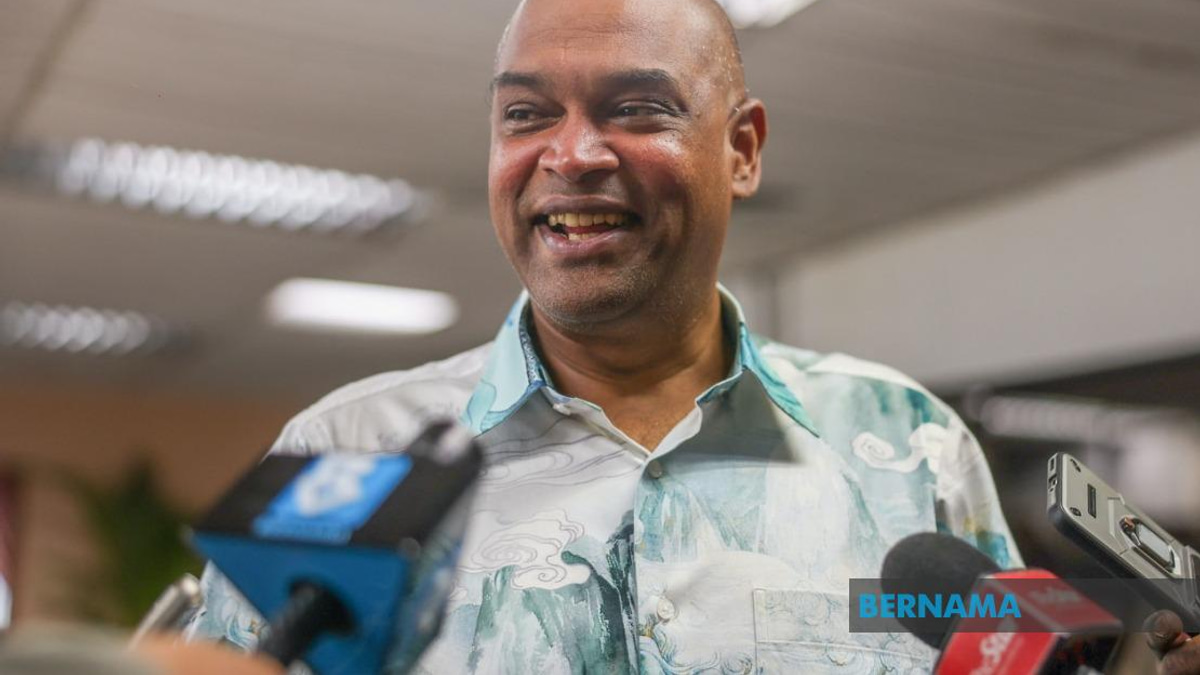
The Malaysian Media Council held an evening reception and networking session in Butterworth on June 20, bringing together over 50 journalists and media practitioners from Penang, Kedah, Perak and Perlis. The gathering coincided with the National Journalists' Day (HAWANA) 2026 celebration, providing an opportune moment for the council's leadership to establish closer connections with media professionals operating outside the capital region.
MMC secretary Radzi Razak framed the initiative as part of a broader strategy to decentralise the council's engagement efforts and demonstrate that it remains accessible to the entire Malaysian media community. By hosting the session in conjunction with the HAWANA highlight event at the PICCA@Arena Butterworth Convention Centre, the council created a relaxed setting where practitioners could interact directly with MMC leadership and board members. This format prioritised candid dialogue over formal presentations, allowing journalists to raise concerns specific to their regions without the constraints of traditional institutional settings.
The timing held particular significance, as this represented the first informal gathering involving Tan Sri Nallini Pathmanathan following her appointment as MMC chairman on June 15. Pathmanathan, a retired Federal Court judge, brings substantial judicial experience to the role and symbolises the council's commitment to elevating media governance standards. Her presence at such a regional engagement immediately after assuming office underscored the new leadership's intention to build relationships across Malaysia's diverse media landscape rather than operating from a centralised Kuala Lumpur perspective.
Radzi emphasised that the council had previously concentrated its activities within the Klang Valley, potentially creating an impression of exclusivity or detachment from regional media concerns. By deliberately visiting northern states, the MMC aimed to address this perception and demonstrate that representation extended beyond the capital. This geographical expansion acknowledges the distinct operational contexts, regulatory environments, and economic pressures facing journalists in different regions of Malaysia.
The council plans to sustain this outreach momentum through subsequent engagement initiatives. The Sarawak Media Conference, scheduled for the following month, will represent the next phase of this regional strategy. Rather than viewing these sessions as one-off public relations exercises, the MMC positions them as foundational to establishing enduring dialogues that explore emerging industry challenges. The approach reflects recognition that media practitioners in Sarawak, Sabah, and peninsula regions face different operational realities shaped by local politics, economic structures, and audience demographics.
Prime Minister Datuk Seri Anwar Ibrahim officiated the HAWANA 2026 highlight event, which drew approximately 1,000 media professionals from Malaysia and international delegations. The gathering's central theme, "Media Integrity Strengthens Credibility," aligned with broader conversations about combating misinformation and maintaining public trust in journalism amid challenges from social media and polarisation. Ibrahim's participation reinforced government recognition of the media sector's importance to democratic governance and social stability.
The Ministry of Communications, with Bernama as the implementing agency, coordinated HAWANA 2026 as an annual observance celebrating journalists' professional contributions. The event recognised media practitioners' roles in maintaining professional standards and public information integrity. For a region where media freedom and independence remain subjects of ongoing debate, such commemorations serve multiple functions—they acknowledge practitioner professionalism while signalling government engagement with journalism issues.
The bilateral dialogue component of the MMC's engagement strategy addresses practical dimensions of media work. Northern journalists operate within distinct market conditions, compete for advertising revenue differently than their peninsular counterparts, and navigate local political dynamics. Creating spaces where practitioners can articulate region-specific challenges directly to national media governance bodies potentially yields insights that improve policy formulation and institutional responsiveness.
For Malaysian media practitioners, particularly those outside major urban centres, this outreach signals institutional attention to their concerns. Regional journalists frequently report feeling disconnected from national media conversations dominated by Kuala Lumpur-based outlets and industry bodies. The MMC's deliberate geographical expansion suggests structural changes in how the council conceptualises representation and accountability. Whether this translates into substantive policy changes or resource allocation remains to be seen, but the shift in institutional posture represents meaningful acknowledgment of regional interests.
The engagement model also reflects evolving understanding of media governance in Southeast Asia. As countries across the region grapple with media pluralism, misinformation, and journalism sustainability challenges, institutional bodies increasingly recognise that one-size-fits-all approaches prove inadequate. Ground-level engagement allows governing bodies to understand contextual differences that shape media practice, from economic pressures faced by smaller publications to regulatory compliance complexities across state boundaries.
For Malaysian readers, particularly media professionals in states beyond the Klang Valley, this initiative demonstrates that national institutions can adapt their operational models to include peripheral regions. The MMC's recognition that perception of exclusivity damages institutional legitimacy reflects broader governance principles applicable beyond media councils. As Malaysia's media landscape continues evolving amid technological disruption and changing consumption patterns, maintaining strong relationships between practitioners and industry bodies becomes increasingly important for collective problem-solving and standard-setting.