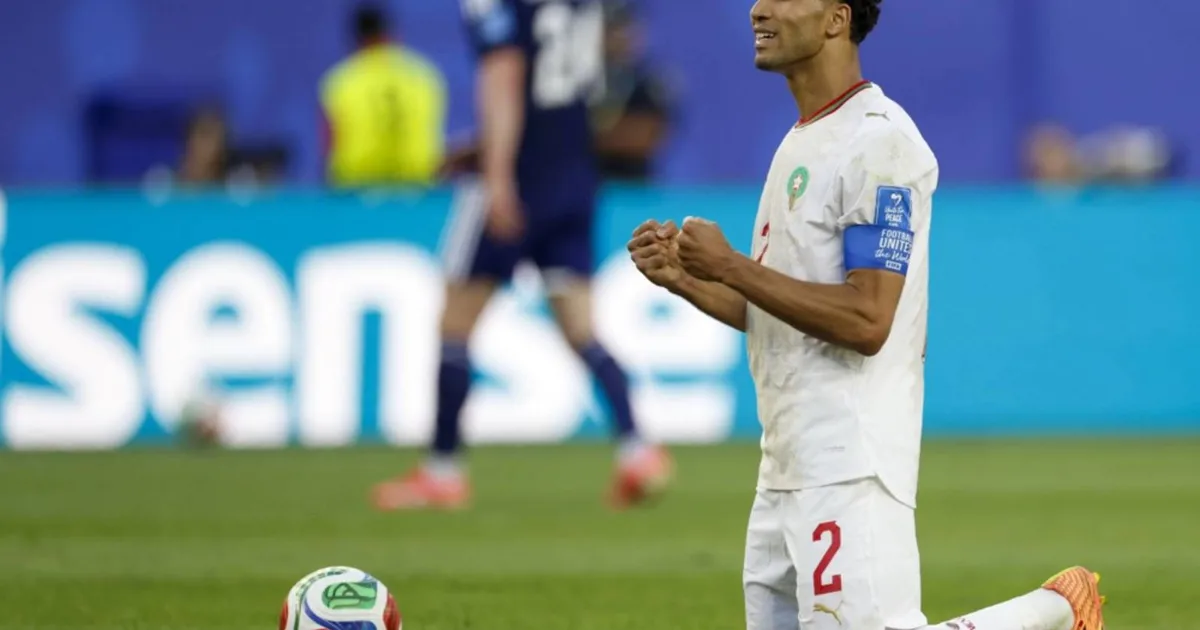
Morocco's football leadership has moved to publicly support Achraf Hakimi as the Paris Saint-Germain defender faces a rape trial over allegations connected to an incident involving a 24-year-old woman in 2023. The national team coach has characterised the player's mental state as composed and unshaken, suggesting that upcoming proceedings will not impair his professional performance or commitment to international football.
Hakimi has categorically rejected the allegations against him. The incident in question is alleged to have occurred in the Paris region, though specific details remain limited as the case works through France's legal system. The player's legal representatives have maintained his innocence throughout the investigation, and he continues to participate in professional duties with PSG while the matter proceeds through the courts.
The decision by Morocco's coaching staff to publicly express confidence in the player reflects the delicate balance football organisations must strike when handling allegations involving prominent athletes. By endorsing Hakimi's mental composure, the coach implicitly signals that the team considers him a reliable figure capable of performing at international level despite the personal pressures he faces off the pitch. This approach differs from some organisations that prefer to remain silent on ongoing legal matters.
Hakimi's situation carries particular significance given Morocco's status as a competitive World Cup nation and Hakimi's prominence within that setup. The right-back has become an integral figure in the national team's ambitions, and any extended absence or suspension would materially weaken Morocco's defensive capabilities. The coach's statement appears designed to normalise Hakimi's continued participation while legal proceedings unfold.
For Southeast Asian observers, the case illustrates the increasingly complex intersection between elite sport and criminal justice systems. Similar situations have emerged in regional football contexts, where players facing legal challenges have continued their careers while cases proceed. The willingness of national federations to stand by accused players—prior to any verdict—remains a contentious practice in some circles, particularly among advocates prioritising victim support and accountability.
The French judicial process will determine the outcome of these allegations. Unlike some jurisdictions, France's legal system does not automatically suspend players pending trial outcomes, allowing Hakimi to continue his professional activities. PSG has not indicated any intention to sideline him, and his international availability has not been formally restricted by Morocco's football federation.
The coach's framing of Hakimi as "calm" serves multiple purposes. It reassures fans that the player remains mentally resilient, indicates to opponents that Hakimi is unaffected by controversy, and signals to Morocco's football administration that no immediate intervention regarding his availability is necessary. However, such public backing of players facing serious allegations can also draw criticism from those who believe greater circumspection is warranted until legal proceedings conclude.
Hakimi's case emerged during a period when several high-profile footballers across Europe have faced sexual misconduct allegations, prompting broader conversations about duty of care, victim advocacy, and the relationship between sporting bodies and judicial processes. The apparent ease with which elite players continue performing whilst facing criminal charges has prompted some to question whether equivalent treatment extends to non-athletes in similar circumstances.
The incident's alleged 2023 timing means the case has already consumed considerable duration before trial commencement. French legal proceedings involving complex allegations often extend over substantial periods, suggesting Hakimi may remain in professional limbo for months or longer. During this interval, maintaining focus on football and international commitments becomes psychologically challenging for any player, which may explain the coach's emphasis on Hakimi's reported equanimity.
Morocco's football programme faces its own pressures as the nation seeks to build on recent World Cup performances and establish itself as a consistent regional power. Losing key defensive personnel to suspensions or unavailability would disrupt squad planning. The coach's confident assessment of Hakimi's mental state therefore addresses practical team considerations alongside personal confidence in the player's character and resilience.
The broader sporting and legal landscape will observe how this case develops. Whether Hakimi ultimately faces conviction, acquittal, or dismissal on other grounds will have implications not merely for his personal circumstances but potentially for how football organisations across Europe handle similar situations in future. The Morocco coaching staff's current stance positions the federation as supportive of the player, though circumstances could require reassessment depending on trial outcomes.
For now, Hakimi remains available for international selection and continues his PSG career, with his legal proceedings advancing through French courts independently of his professional schedule. The coach's public expression of confidence appears designed to maintain normalcy within the team's operations whilst acknowledging the serious nature of allegations he faces.